

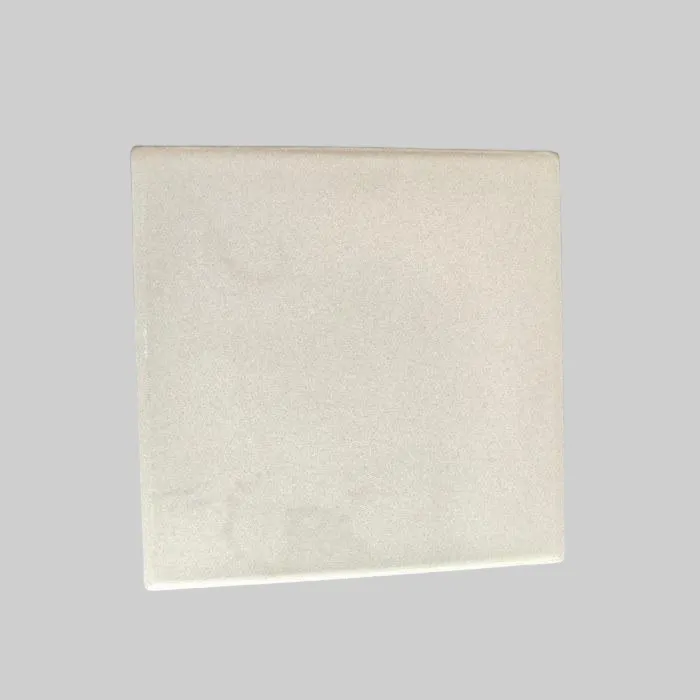
Product description
The main component of acid-resistant bricks is silicon dioxide (over 70%). It forms a large amount of polyaluminium andalusite under high-temperature firing, which is a substance with very high acid resistance. Due to its compact structure and low water absorption rate, it can withstand any concentration of alkaline medium at room temperature.
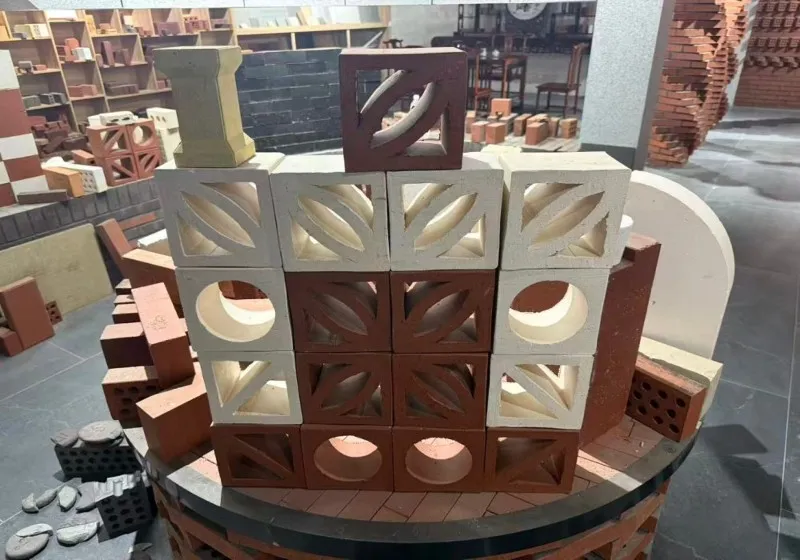
Advantages of Acid-resistant bricks
Acid-resistant bricks have high acid and alkali resistance, a low water absorption rate, and a longer service life at normal temperature. It's widely used in various industries and anti-corrosion projects of towers, pools, tanks, troughs, etc. It can also exert its corrosion resistance in underground sewage channels and open ground surfaces.
Standard size:
230*113*15/20/30mm
230*113*40/50/60m
Calculation of tile count:
It is recommended to budget the amount of construction loss when purchasing. The total number of tiles = the actual tiling area (m ²)÷ the area of each tile (m ²)x the loss.
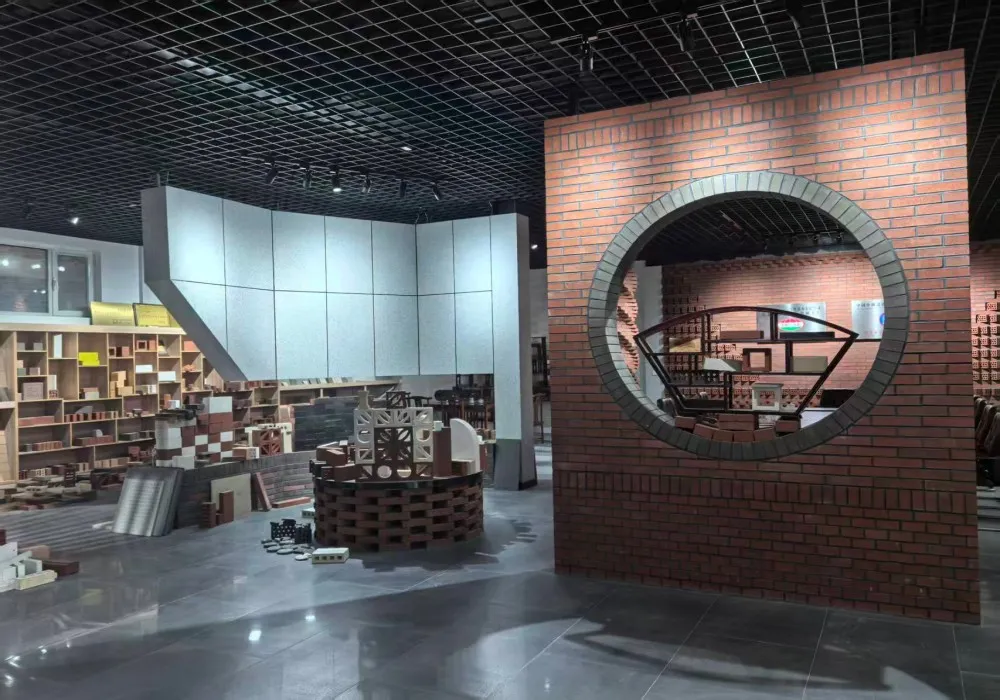
Physical and chemical index of Acid-resistant bricks
|
Items |
Unit |
Index |
Standard |
|
Bulk density |
g/cm3 |
2.3-2.4 |
GB/T8488-2008 |
|
Acid resistance |
% |
≥99.89 |
|
|
water absorption |
% |
≤0.5 |
|
|
Bending strengt |
Mpa |
≥39.2 |
|
|
RHCM |
100℃ |
No cracks, no peeling |
|
|
Note: Processing can be done according to the product drawings and technical data that can be provided |
|||
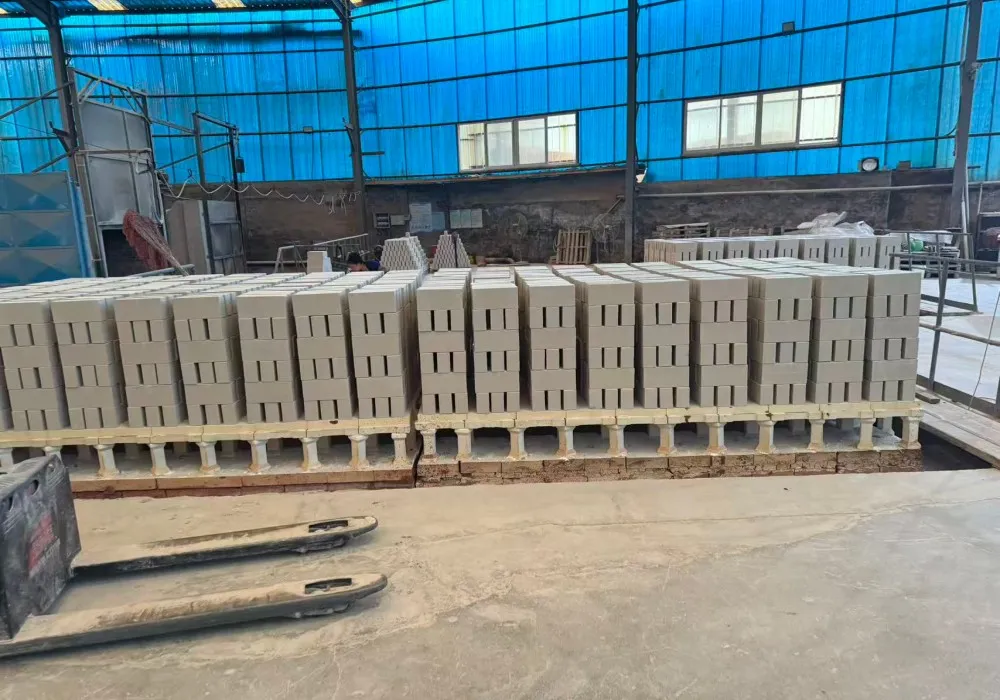
Packages:
Physical and chemical index of Acid-resistant bricks
|
Items |
Unit |
Index |
Standard |
|
Bulk density |
g/cm3 |
2.3-2.4 |
GB/T8488-2008 |
|
Acid resistance |
% |
≥99.89 |
|
|
water absorption |
% |
≤0.5 |
|
|
Bending strengt |
Mpa |
≥39.2 |
|
|
RHCM |
100℃ |
No cracks, no peeling |
|
|
Note: Processing can be done according to the product drawings and technical data that can be provided |
|||


