

Fire Brick
A fire brick, firebrick, fireclay brick, or refractory brick is a block of ceramic material used in lining furnaces, kilns, fireboxes, and fireplaces. A refractory brick is built primarily to withstand high temperature, but will also usually have a low thermal conductivity for greater energy efficiency. Usually dense fire bricks are used in applications with extreme mechanical, chemical, or thermal stresses, such as the inside of a wood-fired kiln or a furnace, which is subject to abrasion from wood, fluxing from ash or slag, and high temperatures. In other, less harsh situations, such as in an electric or natural gas fired kiln, more porous bricks, commonly known as "kiln bricks", are a better choice. They are weaker, but they are much lighter and easier to form and insulate far better than dense bricks. In any case, firebricks should not spall, and their strength should hold up well during rapid temperature changes.
Advantages of Fire Brick
Outstanding insulation
Fire bricks are mainly used for their excellent insulating properties. They can prevent heat from passing through them. They also maintain the building's comfort in summer and winter.
Superior strength bricks
Fire bricks are more durable than regular bricks. They are hence more resilient than traditional bricks. They are also relatively light.
Any size and shape
Fire bricks that can be customized are provided by the fundamental refractory fire brick manufacturers in india, who also guarantee the supply of magnesia bricks in the nation. Most producers and suppliers offer customers personalized bricks in specified shapes and dimensions.
Excellent weather resistance
One of the most common problems in construction sites is the damages that normal bricks receive due to the changing in climate conditions or inappropriate storage. Using fire bricks will only require you a dry place for storage.


Why Choose Us
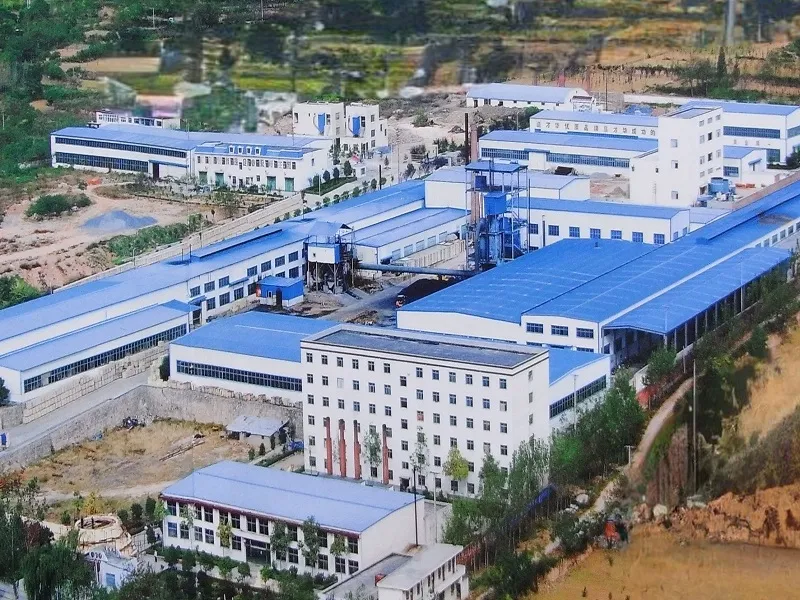
Our factory
Factory established in 1984, International business department established in 2010, factory with 10000 m2 area.
Advanced equipment
Sets of 1000 tons brick machine, 10 sets of 630 tons brick machine, 2 sets of 180m high temperature tunnel kilns, complete set of physical and chemical index testing equipment.
Our service
Free products design, free technological supporting, free installation guidance, 18 month quality guarantee.
Our product
Ch refractories is professional manufacturer of fire bricks, Mortar, Pre-cast, Pre shape, Insulation products, Castable, Functional Products for Iron & Steel, Cement, Glass, Power & Petrochemical Industries. Moreover, CH REFRACTORIES also manufacturing and exporting refractory cement A600 A700 A900 CA70, Bauxite and other refractories raw material to all of the world.
Application of Fire Brick at Different Temperatures
In the making of firebrick, fire clay is fired in the kiln until it is partly vitrified. For special purposes, the brick may also be glazed. There are two standard sizes of fire brick: 9 in × 4+1⁄2 in × 3 in (229 mm × 114 mm × 76 mm) and 9 in × 4+1⁄2 in × 2+1⁄2 in (229 mm × 114 mm × 64 mm). Also available are firebrick "splits" which are half the thickness and are often used to line wood stoves and fireplace inserts. The dimensions of a split are usually 9 in × 4+1⁄2 in × 1+1⁄4 in (229 mm × 114 mm × 32 mm).
The silica fire bricks that line steel-making furnaces are used at temperatures up to 3,000 °F (1,649 °C), which would melt many other types of ceramic, and in fact part of the silica firebrick liquefies.[citation needed] High-temperature Reusable Surface Insulation (HRSI), a material with the same composition, was used in the insulating tiles of the Space Shuttle.
Non-ferrous metallurgical processes use basic refractory bricks because the slags used in these processes readily dissolve the "acidic" silica bricks. The most common basic refractory bricks used in smelting non-ferrous metal concentrates are "chrome-magnesite" or "magnesite-chrome" bricks (depending on the relative ratios of magnesite and chromite ores used in their manufacture).
A range of other materials find use as firebricks for lower temperature applications. Magnesium oxide is often used as a lining for furnaces. Silica bricks are the most common type of bricks used for the inner lining of furnaces and incinerators. As the inner lining is usually of sacrificial nature, fire bricks of higher alumina content may be employed to lengthen the duration between re-linings. Very often cracks can be seen in this sacrificial inner lining shortly after being put into operation. They revealed more expansion joints should have been put in the first place, but these now become expansion joints themselves and are of no concern as long as structural integrity is not affected. Silicon carbide, with high abrasive strength, is a popular material for hearths of incinerators and cremators. Common red clay brick may be used for chimneys and wood-fired ovens.
Introduction of Fire Brick of Different Strength Grades
Low-duty
Typically rated to 1750°F maximum service temperature. Primarily used for fireplace chimneys and contains 24–26% alumina.
Medium duty
Temperature rating to 2700°F maximum service temperature. Uses include backup linings, lower-temperature ceramic kilns and chimneys, and contains 34–38% alumina.
High duty (first-quality firebrick)
Temperature rating to 2850°F maximum in purely heat service. Certain atmospheres can reduce this temperature rating by several hundred degrees and contains 36–40% alumina. Uses include boilers, ceramic kilns, chimneys and back-up linings.
Super duty
Temperature rating to 2900°F in pure heat service. Certain atmospheres can reduce this temperature rating by several hundred degrees. Same uses as high duty where higher temperatures are involved. Contains 40–44% alumina.
High-fired super duty
Temperature rating between 3000°F–3150°F. A higher burned version of super duty firebrick designed to lower the porosity, increase physical strength and improve resistance to alkali attack and carbon monoxide disintegration. Contains 40–44% alumina.
Shapes of Fire Brick
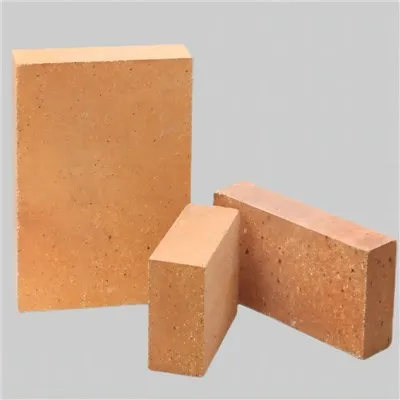
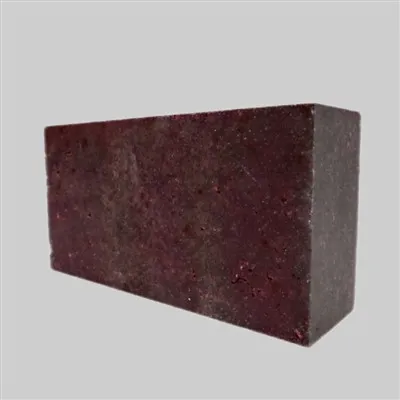
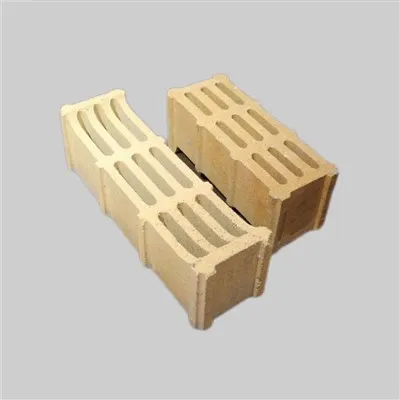
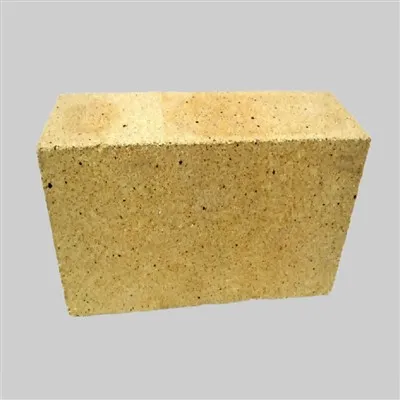
Straights
Most fire bricks are pressed or extruded. Common shapes are straights, arches, wedges, keys, rotary kiln blocks (RKBs) and square-edge tiles. Larger pieces are typically produced by air hammering the fire brick mix into wooden or steel molds sized for the desired shape dimensions. The standard refractory fire brick size is 9×4½×2½ inches, also known as one fire brick equivalent (beq). This size is the most common used in pottery kiln construction. However, an equally popular standard size used in industrial furnace construction is the 9×4½×3-inch series. The 3-inch series fire brick reduces the number of joints in the kiln. The standard straight is 9×4½×2½ inches or 9×4½×3 inches and available in larger sizes up to 18 inches long, 9 inches wide, and 4½ inches thick.
Square edge tile
This term refers to “big” straights, which comprise 12×12 inches up to 24×12 inches with thickness ranging from 1½ to 3 inches.
Soaps
A term used to describe a half fire brick in width such as 9×2¼×2½ inches or 9×2¼×3 inches.
Splits
A term used to describe the thickness of a fire brick thinner than 2½ inches, i.e., splits come in 1, 1¼, 1½, and 2-inch thicknesses.
Arch
This shape tapers in thickness along the width over its entire length and is used to make sprung or circular barrel arched roofs either 4½ inches or 6 inches in thickness.
Wedge
This shape tapers in thickness along the entire length of the fire brick and is used to make sprung or circular barrel arches 9, 12 or 13 inches in thickness.
Skew
A shape having a certain taper on one side or end to enable a sprung arch to be built. Four major types are available in both side and end skews that relate to the rise of the arch.
Applications of Fire Bricks
Furnaces
Fire bricks are integral components of industrial furnaces used for metal smelting, ceramics manufacturing, and heat treatment processes.
Kilns
In pottery, glass, and cement production, kilns rely on fire bricks to maintain high temperatures consistently.
Boilers
Fire bricks are used in the construction of boilers and combustion chambers, where they withstand extreme heat and contribute to energy efficiency.
Fireplaces and wood stoves
In residential settings, fire bricks line fireplaces and wood-burning stoves to contain high temperatures and prevent structural damage.
Chemical processing
Industries involved in chemical processing and petrochemicals rely on fire brick to construct reactors and vessels that handle corrosive chemicals at elevated temperatures. Fire bricks are the unsung heroes behind many industrial processes that involve extreme heat and fire. Their exceptional heat resistance, durability, and thermal insulation properties are crucial for maintaining the structural integrity and safety of equipment and structures operating under these challenging conditions. Whether in large industrial facilities, residential fireplaces, or specialized kilns, fire bricks play a vital role in protecting against the destructive power of high temperatures.
Types of Fire Bricks
Acidic fire bricks
Acidic fire brick, also called as acid resistant brick is used especially to resist acidic actions of chemicals or weather.Generally, normal fire brick made of natural fire clay is as good as acid brick, but if more acid resistance is needed then an additional amount of silica is added to fire clay which may range up to 97% of its composition. For binding purposes, 1 to 2% lime may be added. Acid bricks are burnt at heavy temperatures for long periods.
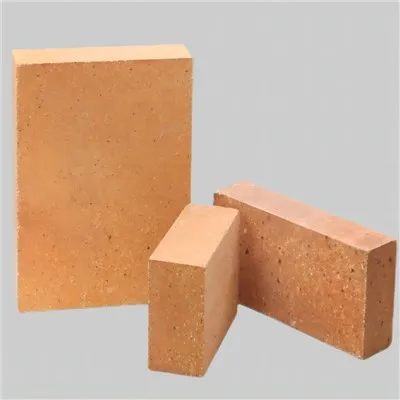
Basic fire bricks
These are good at corrosion resistance and chemical resistance. They contain high amount of magnesia and here also lime is used as a binding material. Different basic fire bricks available are magnesite bricks, magnesia-carbon, magnesia-chrome bricks etc.
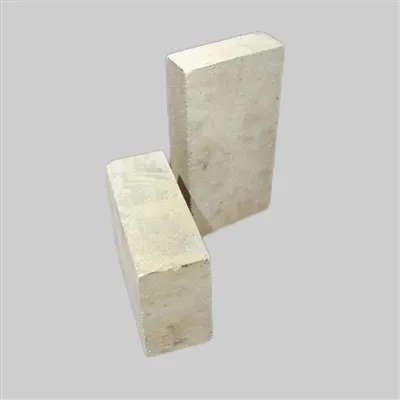
Neutral fire bricks
These are good for both acidic and basic lining purposes. They offer good resistance against acidic fumes as well as corrosive actions. Neutral bricks are of two types namely- high alumina bricks and chromite bricks. High alumina bricks contain alumina in large amounts while chromite bricks contain chromium, iron oxide, silica, bauxite, and iron ore in various proportions.
What Makes a Fire Brick Different Than a Regular Brick or Stone?
Heat resistance
Fire bricks are made from refractory ceramic materials that can withstand very high temperatures without deforming, cracking, or spalling. They have a high melting point and are designed to retain their strength and shape at temperatures up to 3000°F (1650°C) or even higher. In contrast, regular bricks or stones are not designed to withstand such extreme temperatures and would likely crack or break when exposed to high heat.
Insulating properties
Fire bricks have excellent insulating properties, which means they can help contain and reflect heat within a furnace, fireplace, or kiln. This property is essential for applications where maintaining high temperatures is necessary. Regular bricks or stones typically do not have the same insulating properties and may absorb and dissipate heat more quickly.
Chemical resistance
Fire bricks are resistant to chemical reactions and can withstand exposure to acids, alkalis, and other corrosive substances that may be present in high-temperature environments. Regular bricks or stones may be more susceptible to chemical corrosion and degradation under such conditions.
Low thermal conductivity
Fire bricks have low thermal conductivity, which means they do not conduct heat as readily as regular bricks or stones. This property helps to maintain consistent temperatures within a furnace or fireplace and prevents heat loss through the walls of the structure.
Specialized shapes and sizes
Fire bricks are often available in a variety of shapes and sizes to suit different applications, such as curved bricks for lining kilns or furnaces. Regular bricks or stones are more commonly used for general construction and may not be available in the specialized shapes required for high-temperature applications.
Composition of Fire Bricks
Alumina (Al2O3)
Alumina is a key ingredient in fire bricks, contributing to their ability to endure high temperatures. The higher the alumina content, the greater the heat resistance of the bricks.
01
Silica (SiO2)
Silica is another important component that helps stabilize the refractory properties of the bricks. It also contributes to their resistance to thermal shock.
02
Clay
Clay serves as a binding material and helps with the formation and shaping of the bricks during manufacturing.
03
Other additives
Depending on the desired properties, small amounts of other materials like zirconia, chromia, and magnesia may be added to enhance specific characteristics of the bricks.
04
High Temperature Resistance of Fire Bricks
Melting point
The high-temperature resistance of fire bricks is a key characteristic that makes them invaluable in applications where exposure to extreme heat is a constant factor. Fire bricks are composed of refractory materials with high melting points. These materials, such as fire clay, alumina, or silica, can withstand temperatures well beyond what standard bricks can endure. The melting point of these materials often exceeds 2,000 degrees celsius (3,632 degrees fahrenheit).
Thermal insulation
One of the primary functions of fire bricks is to provide thermal insulation. They are excellent at retaining heat and preventing it from transferring to surrounding structures. This property is crucial in applications like furnaces, kilns, and fireplaces where maintaining high temperatures is essential.
Resistance to thermal shock
Fire bricks are designed to resist thermal shock, which occurs when a material undergoes rapid temperature changes. This resistance is vital in applications where temperatures fluctuate regularly, as it prevents the bricks from cracking or breaking under stress.
Low thermal conductivity
The low thermal conductivity of fire bricks further enhances their ability to withstand high temperatures. This property minimizes the transfer of heat through the bricks, allowing them to maintain their structural integrity even in intense heat environments.
Industrial applications
Fire brick is widely used in industries that involve extreme temperatures, such as steel manufacturing, glassmaking, and foundries. Their high-temperature resistance makes them suitable for lining furnaces, kilns, and other equipment where temperatures can reach levels that would compromise traditional building materials.
Construction of fireplaces and stoves
In residential settings, fire bricks are commonly used in the construction of fireplaces and wood-burning stoves. These bricks create a heat-resistant lining that ensures the safety and longevity of these heating appliances.
Variety of grades
Fire bricks come in various grades, each designed for specific temperature ranges. Some are suitable for moderate temperatures in household fireplaces, while others are engineered to withstand the intense heat of industrial processes.
Longevity
The high-temperature resistance of fire bricks contributes to their longevity. When properly installed and maintained, they can withstand prolonged exposure to extreme temperatures without degrading or losing their structural integrity.
Our Factory
Factory established in 1984, International business department established in 2010. Factory with 10000 m2 area, 120 employees including 20 professional engineers. CH REFRACTORIES is professional manufacturer of fire bricks, Mortar, Pre-cast, Pre shape, Insulation products, Castable, Functional Products for Iron & Steel, Cement, Glass, Power & Petrochemical Industries. Moreover, CH REFRACTORIES also manufacturing and exporting refractory cement A600 A700 A900 CA70, Bauxite and other refractories raw material to all of the world.
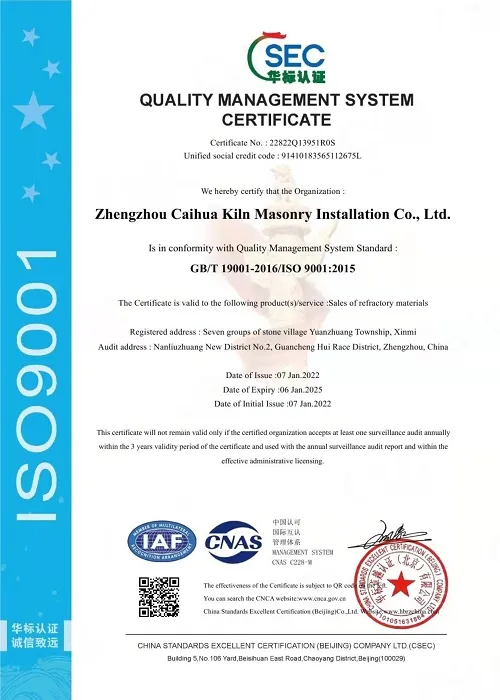
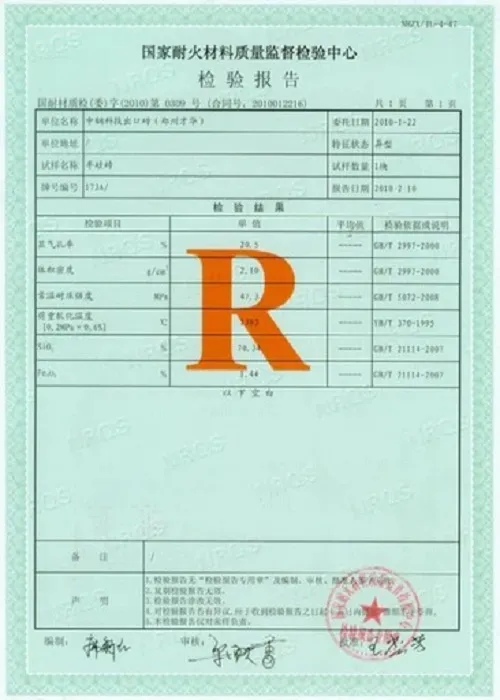
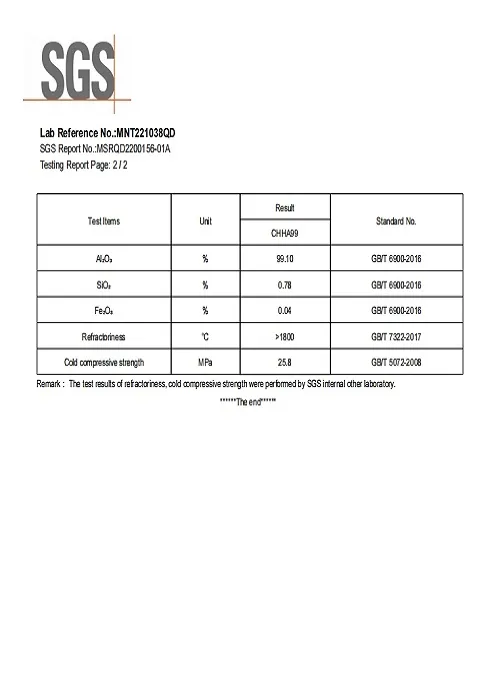
Certificate
FAQ:
Q: What are fire bricks?
Q: What are the common applications of fire bricks?
Q: What are the main characteristics of fire bricks?
Q: How are fire bricks different from regular bricks?
Q: How should fire bricks be stored?
Q: Can fire bricks be painted or coated?
Q: What are the benefits of using fire bricks in a fireplace?
Q: Are fire bricks expensive?
Q: Can fire bricks be used in industrial furnaces?
Q: How do fire bricks contribute to energy efficiency?
Q: Are fire bricks suitable for lining chimneys?
Q: Can fire bricks be used in pottery kilns?
Q: How do fire bricks resist thermal shock?
Q: Where can fire bricks be purchased?
Q: What are the types of fire bricks available?
Q: How do fire bricks insulate heat?
Q: Can fire bricks be used to build pizza ovens?
Q: How should fire bricks be installed?
Q: How long do fire bricks last?
Q: Are fire bricks resistant to chemicals?
We're well-known as one of the leading fire brick manufacturers in China. Please rest assured to buy customized fire brick at competitive price from our factory. Contact us for more cheap products.
efficient fire brick, fire brick with excellent refractory properties, fire brick in bag