

Ceramic Fiber Blanket
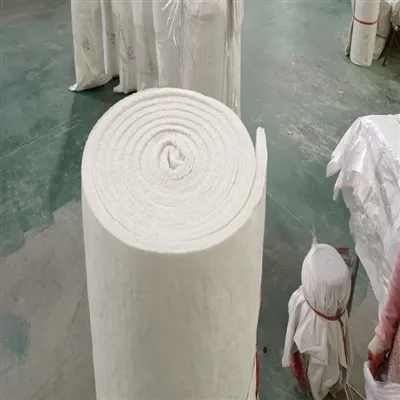
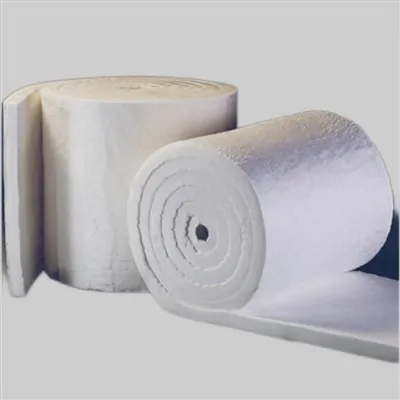
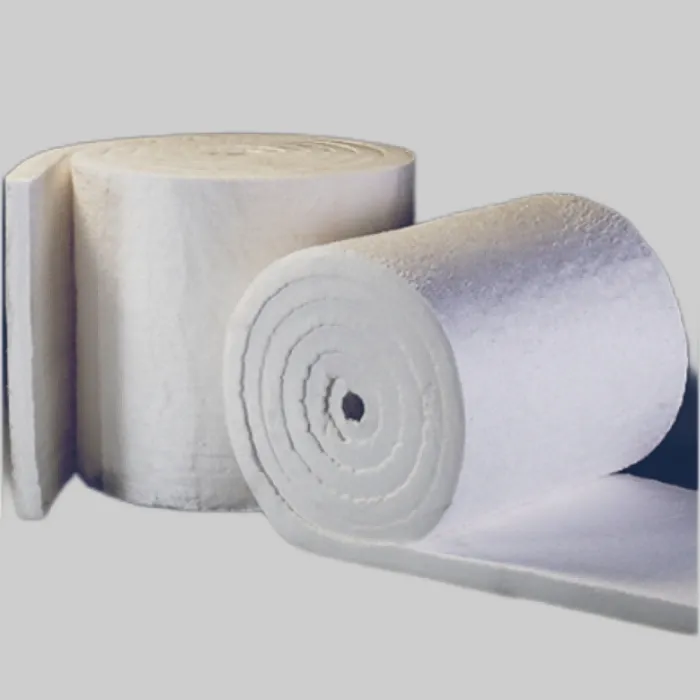
Ceramic fiber blankets are a set of interwoven fibers designed to resist high temperatures. These blankets vary in chemical composition, thickness, and density, elements that dictate the end use or operation temperature range. They maintain low thermal conductivity, high resistance to thermal shock, and are easy to install. These blankets come in rolls packed in standard boxes for distribution. However, taking special care during storage and transport is essential, as this material is sensitive to mechanical wear and can become heavy if it absorbs moisture. Although mainly used in industrial settings, such as furnaces and kilns as well as in fire protection systems. Ceramic fiber blanket is also used commercially to dryers and a wide range of insulation covers.
Advantages of Ceramic Fiber Blanket
Excellent insulation properties
One of the primary benefits of using ceramic fiber blankets is their excellent insulation properties. These blankets are designed to absorb and retain heat, which can be critical in environments where high temperatures are present. They are also extremely lightweight and easy to handle, which makes them a popular choice for construction projects where weight can be an issue.
Resistance to chemical corrosion
Another benefit of ceramic fiber blankets is their resistance to chemical corrosion. These blankets are incredibly durable and can withstand exposure to harsh chemicals, which makes them an excellent choice for use in chemical plants or other industrial environments where chemical exposure is common.
Versatility
One of the primary advantages of a ceramic fiber blanket is its versatility. They come in different thicknesses and compositions to suit different insulation requirements. The thickness of the blanket determines its insulation properties, with thicker blankets offering better insulation. The type of ceramic fibers used in the blanket also affects its overall performance. For example, aluminosilicate fibers offer better insulation at high temperatures than zirconia fibers.
Easy to handle, install, and transport
Ceramic fiber blankets are easy to handle, install, and transport. They are lightweight and can be easily cut to any size, making them highly versatile for different insulation projects. Furthermore, they are eco-friendly, as they do not produce any pollutants or hazardous byproducts, making them a safe and sustainable option for the environment.


Why Choose Us
Our factory
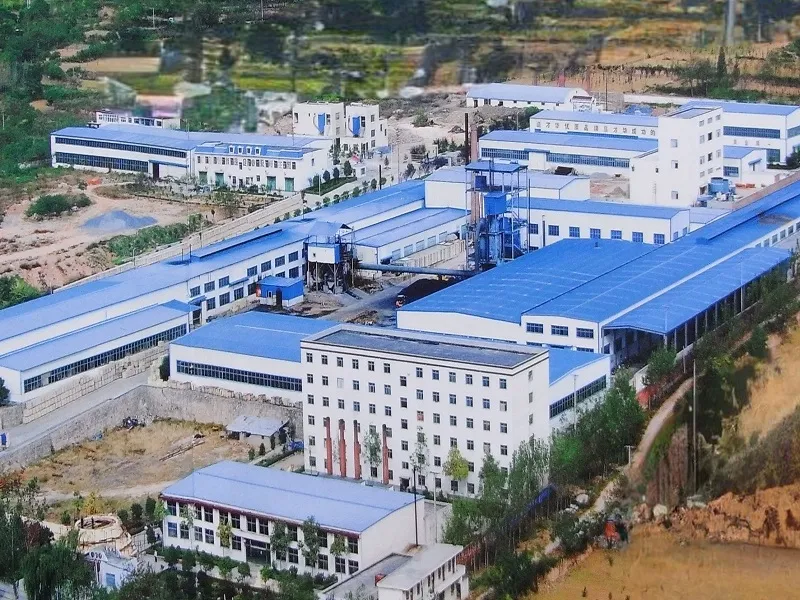
Factory established in 1984, International business department established in 2010, factory with 10000 m2 area.
Advanced equipment
Sets of 1000 tons brick machine, 10 sets of 630 tons brick machine, 2 sets of 180m high temperature tunnel kilns, complete set of physical and chemical index testing equipment.
Our service
Free products design, free technological supporting, free installation guidance, 18 month quality guarantee.
Our product
Ch refractories is professional manufacturer of fire bricks, Mortar, Pre-cast, Pre shape, Insulation products, Castable, Functional Products for Iron & Steel, Cement, Glass, Power & Petrochemical Industries. Moreover, CH REFRACTORIES also manufacturing and exporting refractory cement A600 A700 A900 CA70, Bauxite and other refractories raw material to all of the world.
Typical Applications of Ceramic Fiber Blanket
External insulation of high-temperature pipes
Ceramic fiber blankets can be used for external insulation of high-temperature pipelines, which can effectively reduce the heat loss of pipelines, isolate the heat transfer between pipelines and the outside world, improve the temperature environment outside the pipelines, and improve the quality of thermal pipeline transportation. This application method mainly adopts the layer-wrapped structure of ceramic fiber blanket, which is fixed with metal strips, etc., and the outer layer needs to be provided with a waterproof layer.
Composite structure of furnace lining
This method is the most widely used. It is a structure that most industrial kilns will use for lining insulation. This structure is almost not limited by furnace type, furnace environment, ph and corrosive gases, and the insulation effect is quite ideal. Ceramic fiber blankets are generally used as tiled blankets or compensation blankets, and form a composite seamless ceramic fiber insulation layer with ceramic fiber modules. The tiling blanket is directly adjacent to the furnace wall steel plate, and the compensation blanket is used to compensate the non-expansion surface of the module to increase the overall sealing performance of the furnace lining. Considering the economic cost and thermal insulation effect, the compensation blanket will be one level higher than the tiled blanket.
Filling for high temperature gap
This application method is that the ceramic fiber blanket is used to fill the gaps of high-temperature equipment with large and regular gaps to achieve the effect of sealing and heat preservation. Irregular small-scale gaps can be filled with ceramic fiber cotton.
Sound absorption and noise reduction for wall
This method is often used in ktv private rooms. The ceramic fiber blanket is applied to the interlayer of the wall of the private room, which can effectively absorb noise and has a significant sound insulation effect.
Tips for Choosing and Purchasing Ceramic Fiber Blankets
Temperature rating
Check the temperature rating of the ceramic fibre blanket to ensure it can withstand the specific heat levels of your intended application. Different blankets have varying temperature limits, so matching the rating with your requirements is important.
Density
Consider the density of the blanket as it affects its insulation capabilities. Higher-density blankets generally offer better thermal resistance and durability but may be less flexible. Choose a density that aligns with your insulation needs and installation requirements.
Thickness
The thickness of the blanket can impact its insulation effectiveness. Thicker blankets generally provide better insulation but may also be less flexible and more challenging to install in tight spaces. Assess your insulation needs and the available space to determine the appropriate thickness.
Thermal conductivity
Look for low thermal conductivity values, indicating better insulation performance. Lower values mean the blanket is more effective at reducing heat transfer.
Chemical composition
Understand the chemical composition of the blanket, as different compositions offer varying levels of resistance to chemicals, corrosion, and thermal shocks. Ensure the blanket is suitable for the specific conditions of your application.
Fire resistance
Check for fire resistance ratings or certifications to ensure the blanket meets applicable safety standards. Fire-resistant blankets provide added protection and peace of mind.
Researchers have been exploring the use of nanostructured ceramic fibres, which exhibit enhanced thermal properties and improved resistance to high temperatures. These fibres offer increased insulation efficiency and durability. Researchers are developing hybrid insulation materials with superior thermal conductivity and mechanical strength by combining ceramic fibres with other advanced materials, such as graphene or carbon nanotubes. These hybrids have the potential to revolutionize insulation performance. Aerogels, known for their extremely low thermal conductivity, are integrated into ceramic fibre blankets to create highly efficient insulation systems. Aerogel-infused blankets offer exceptional insulation capabilities while maintaining flexibility and ease of installation.
Smart fireplaces can be controlled remotely using smartphone apps or voice commands. This allows users to adjust flame height, temperature, and other settings from the comfort of their couch. With smart thermostats, fireplaces can now respond to temperature changes in the room and adjust their operation accordingly. This ensures optimal comfort and energy efficiency. Smart fireplaces can incorporate sensors to monitor factors like carbon monoxide levels, gas leaks, or abnormal heat patterns. Users receive instant alerts and can take appropriate action, enhancing safety measures.
Manufacturers are exploring using recycled ceramic fibres and bio-based binders to reduce the environmental impact of insulation production. These materials offer comparable performance while reducing reliance on non-renewable resources. The focus is shifting toward designing fireplaces that maximize heat output while minimizing energy consumption. This includes improved combustion efficiency, advanced heat exchangers, and better insulation to prevent heat loss. Efforts are being made to develop fireplace technologies that minimize emissions, including releasing particulate matter and harmful gases. Advanced combustion systems and catalytic converters are being implemented to achieve cleaner and more environmentally friendly operations.
Identify the Quality of Ceramic Fibre Blankets
Temperature rating
A high-temperature rating indicates that a high-quality ceramic fibre blanket can withstand extreme temperatures without degrading or losing its insulating properties.
Density
The density of a ceramic fibre blanket can also be used to determine its quality. A blanket with a higher density will typically have better thermal performance because it has more fibres per unit volume to trap and retain them.
Thickness
A ceramic fibre blanket's thickness can affect its insulating properties, with thicker blankets providing better insulation. Thicker blankets, however, may be more difficult to handle and install.
Compressive strength
A ceramic fibre blanket's compressive strength measures its ability to withstand pressure without breaking or degrading. A high-quality blanket will have good compressive strength, which is important for pressure or weight applications. The composition of the ceramic fibres used to make the blanket can also impact its quality. High-purity fibres will generally perform better in insulation and are more resistant to chemical and thermal degradation. A high-quality ceramic fibre blanket will be long-lasting and resistant to wear and tear. It should also withstand thermal cycling, so it can be heated and cooled repeatedly without cracking or losing its insulating properties.
Factors to consider when choosing the correct ceramic fiber blanket for each piece of equipment or process. To select the most appropriate ceramic fiber blanket, it is advisable to have precise information on each industrial process. Temperature ranges during processes. Which means the maximum temperature, the operating temperature, and the duration for each cycle. There are controlled processes whose chemical concentrations can compromise the thermal efficiency of the insulation, as is the case of environments with hydrogen saturation. Regulatory and design requirements for the process. On this note, some processes require a more ‘creative’ insulation installation. Also, regulations may require a particular type of insulation composition.
One of the principal qualities of ceramic fiber blankets is their ease of installation. Given their lightweight nature, spreading them on a surface and fixing them using spike anchors with locks will suffice. Care in transport and storage. This product is sensitive to mechanical wear, even during transport. Stacking up to 12 boxes on a pallet is not recommended, as the product could become compressed. In addition, ceramic fiber blankets can absorb moisture from the environment, which makes it heavier and increases the possibility of tearing.
Implement an inspection system. After the first three cycles of use (or firings), the ceramic fiber blanket experiences a reduction in thickness of between 1% and 3%. Therefore, it is vital to perform thermographic analysis and visual inspections to detect hot spots after this period. Improve durability. Under ideal conditions, ceramic fiber blanket can last up to 12 years. However, in some processes, its useful life can be shorter, reaching months instead of years. Therefore, it is recommended to consider the application of coatings or mixtures that extend the useful life of the insulation.
Properties And Types Of Ceramic Fiber Blankets
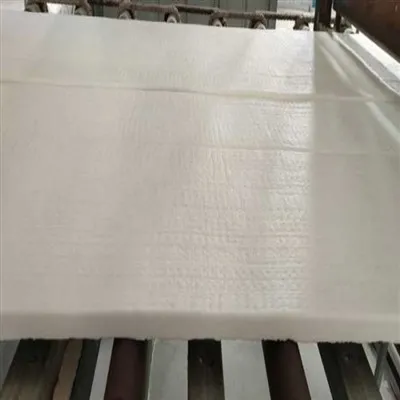
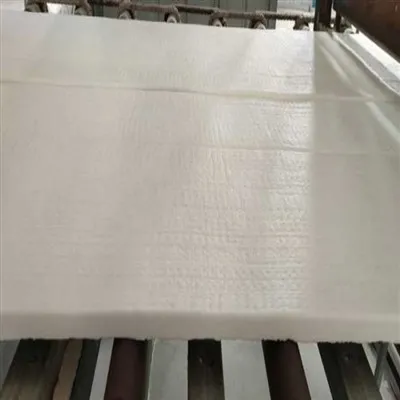
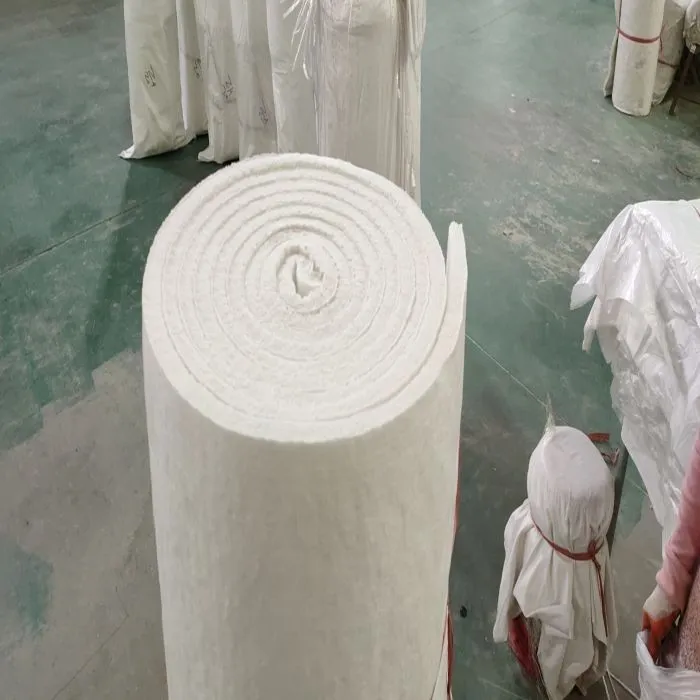
Ceramic fiber blanket, also known as aluminum silicate fiber blanket, has greatly improved the degree of fiber interweaving, anti-delamination performance, tensile strength and surface smoothness after the double-sided needling process, so it is also called aluminum silicate needle-punched blanket. The fiber blanket does not contain any organic binder to ensure that the ceramic fiber blanket has good formability and stability under high temperature and low temperature conditions. The ceramic fiber blanket is white in color and regular in size, integrating fire resistance, heat insulation and heat preservation.
It can still maintain good tensile strength, toughness and fiber structure after long-term use in neutral and oxidizing atmospheres. The temperature resistance is 900-1500°C. It occupies a dominant position in the use of high-temperature pipelines. Ceramic fiber blankets have strong thermal insulation capabilities, so they can save more heat, which is 1.2 times the energy-saving capability of similar thermal insulation materials (such as thermal insulation bricks, etc.), and are gradually replacing asbestos. products. Its advantage is that it does not contain harmful ingredients to the human body.
According to the processing technology of ceramic fiber, it can be divided into two types: spinning blanket and blown blanket. The ceramic fiber used in the silk blanket is thicker and longer than that of the blown blanket, so the tensile and flexural strength of the silk blanket is higher than that of the blown blanket, and it is suitable for thermal insulation environment with higher requirements for bending and tensile properties. The sprayed ceramic fiber is thinner than the silk blanket, so it is inferior to the blanket in terms of flexural and tensile strength, but the thermal conductivity of the blown blanket is better, and it is suitable for ceramic fiber blankets that require low tear resistance, but for insulation Environments with higher thermal performance requirements.
How To Store Ceramic Fiber Blankets For A Long Time
Ceramic fiber blankets are a commonly used insulation material in recent years. For ease of use, many users choose to purchase a large number of fiber blankets as backup. So, how should we store the extra fiber blankets? Ceramic fiber blankets cannot be stored in damp warehouses or other spaces, and direct exposure to sunlight is prohibited. If the product encounters water and forms a ball, its hardness will immediately decrease. Therefore, it is very important to prevent moisture during storage. When storing indoors, the product should be placed on a pallet, prohibited from touching the floor, and should be stored at least 20mm above the ground. During the rainy season, waterproof canvas should be covered, and attention should be paid to wall seepage. Buildings should not leak or seep out.
For unopened ceramic fiber blankets that are not used for a long time, it is important to be careful not to open them when not in use. In addition, when the storage time is too long, it is necessary to test the effectiveness of the fiber blanket before installation and use to avoid unnecessary trouble caused by poor performance. Reduce the moisture content of ceramic fiber blanket, distributing it evenly, thus reducing its weight. After pressing, stack horizontally and ballast, ceramic fiber blanket’ s fiber direction parallel to the substrate shrinkage and less swelling direction.
When the ceramic fiber blanket is stuck, the central portion should be slightly loose. When in production reduce the amount of urea-formaldehyde resin so that the layer is soft, improving hot pressing conditions. The environment to save ceramic fiber blanket should be dry, no water and not humid.In rainy day, the building is watertight and no water seepage, keeping the indoor environment dry. When the ceramic fiber blanket meets water, its hardness immediately becomes low, once touch will be deformed. Ceramic fiber blanket suits for various high temperature, high pressure and easy to wear heat furnace treatment. With the development of technology, ceramic fiber blanket will have a much wider application fields.When in production and usage must be in good processing and preservation,only in this way can have the best high temperature resistance performance.
Our Factory
Factory established in 1984, International business department established in 2010. Factory with 10000 m2 area, 120 employees including 20 professional engineers. CH REFRACTORIES is professional manufacturer of fire bricks, Mortar, Pre-cast, Pre shape, Insulation products, Castable, Functional Products for Iron & Steel, Cement, Glass, Power & Petrochemical Industries. Moreover, CH REFRACTORIES also manufacturing and exporting refractory cement A600 A700 A900 CA70, Bauxite and other refractories raw material to all of the world.
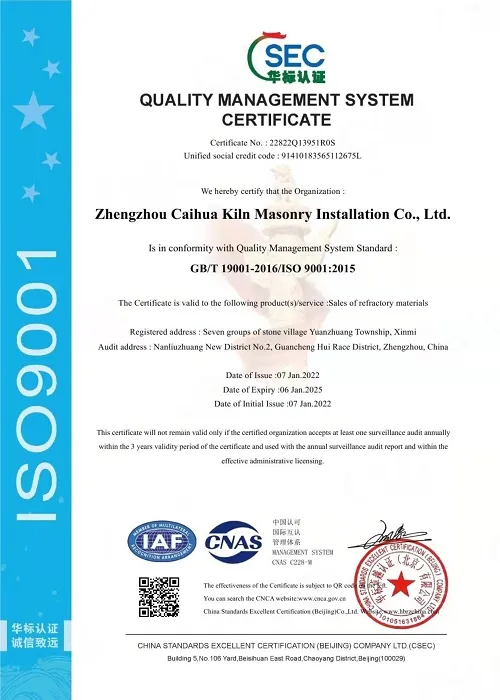
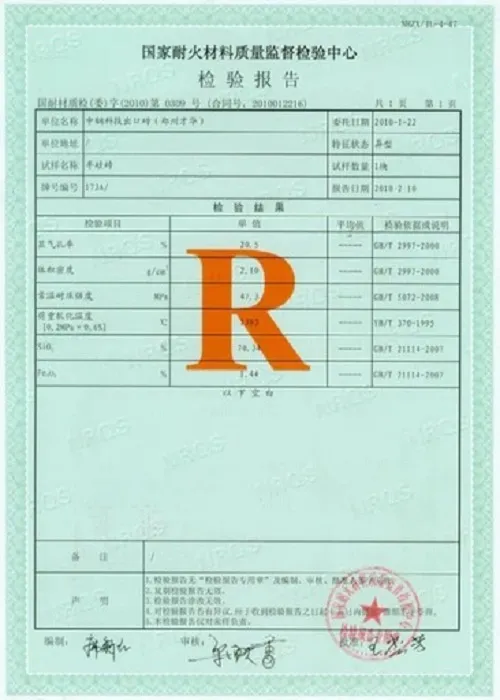
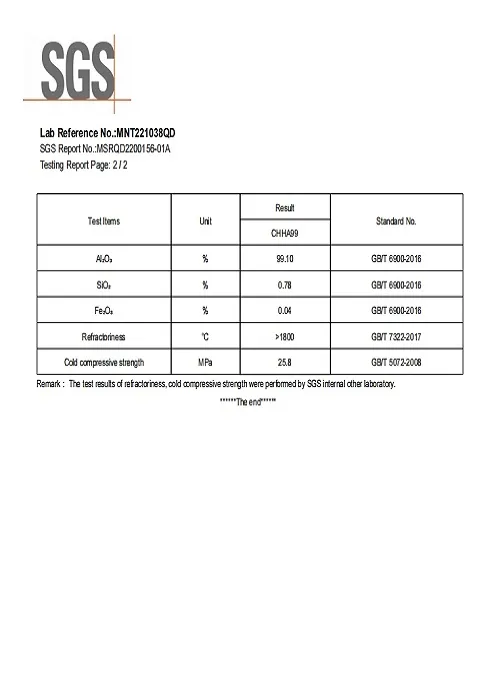
Certificate
FAQ:
Q: What is a ceramic fiber blanket?
Q: What are the main applications of ceramic fiber blankets?
Q: What are the key properties of ceramic fiber blankets?
Q: How are ceramic fiber blankets different from traditional insulation materials?
Q: Are there any safety precautions to consider when working with ceramic fiber blankets?
Q: How do you assess the quality of ceramic fiber blankets?
Q: What are the common sizes and thicknesses of ceramic fiber blankets?
Q: How do you extend the service life of ceramic fiber blankets?
Q: Can ceramic fiber blankets be used in high-velocity gas flow applications?
Q: How should ceramic fiber blankets be stored?
Q: Can ceramic fiber blankets be used in cryogenic applications?
Q: What are the key factors to consider when selecting ceramic fiber blankets for a specific application?
Q: What is the typical composition of ceramic fiber blankets?
Q: How are ceramic fiber blankets manufactured?
Q: What are the advantages of using ceramic fiber blankets?
Q: How do ceramic fiber blankets compare to refractory bricks?
Q: Can ceramic fiber blankets be used in contact with molten metals?
Q: How do you determine the appropriate thickness of ceramic fiber blankets for insulation?
Q: Can ceramic fiber blankets be cut and shaped for specific applications?
Q: How do you install ceramic fiber blankets?
We're well-known as one of the leading ceramic fiber blanket manufacturers in China. Please rest assured to buy customized ceramic fiber blanket at competitive price from our factory. Contact us for more cheap products.
metallurgical suspending agents, fire brick price, metallurgical foaming agents