

Ramming Mass
The ramming mass refers to ramming (manual or mechanical) method of construction, and hardened in the heating effect is higher than normal temperature under the unshaped refractory materials. By refractory aggregate, with certain gradation of powder, binder, additive water or other liquid after mixing.According to the material classification with high alumina, clay, magnesite, dolomite, zirconium and silicon carbide carbon refractory ramming material.
Advantages of Ramming Mass
Extended furnace life
The high refractoriness and thermal stability of ramming mass contribute to the prolonged lifespan of induction furnaces.
Reduced downtime
By minimizing wear and tear, this material helps reduce downtime, leading to increased productivity in industrial processes.
Cost-efficiency
The durable nature of ramming mass results in cost savings over time, as less frequent replacements are required.
Improved product quality
The inert nature of the material ensures minimal contamination, contributing to the production of high-quality metal and alloy products.


Why Choose Us
Our factory
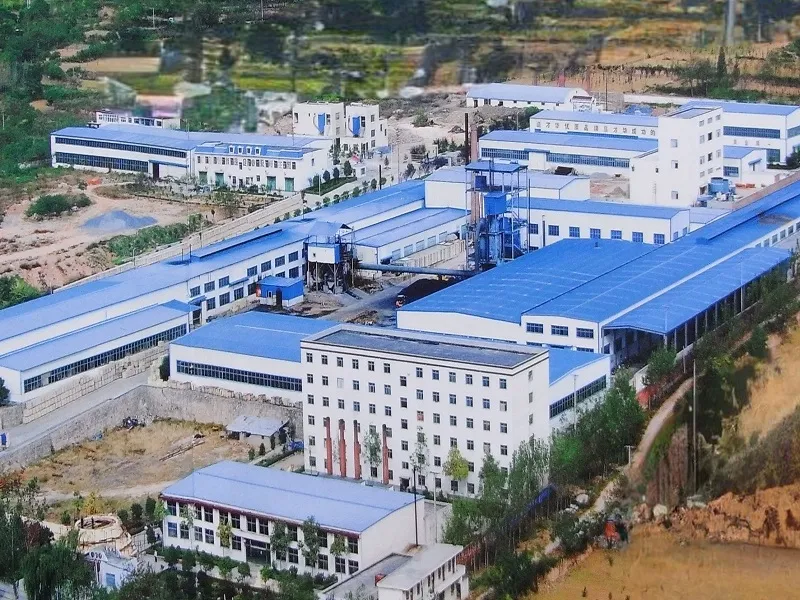
Factory established in 1984, International business department established in 2010, factory with 10000 m2 area.
Advanced equipment
Sets of 1000 tons brick machine, 10 sets of 630 tons brick machine, 2 sets of 180m high temperature tunnel kilns, complete set of physical and chemical index testing equipment.
Our service
Free products design, free technological supporting, free installation guidance, 18 month quality guarantee.
Our product
Ch refractories is professional manufacturer of fire bricks, Mortar, Pre-cast, Pre shape, Insulation products, Castable, Functional Products for Iron & Steel, Cement, Glass, Power & Petrochemical Industries. Moreover, CH REFRACTORIES also manufacturing and exporting refractory cement A600 A700 A900 CA70, Bauxite and other refractories raw material to all of the world.
Complete Process of Using Silica Ramming Mass
Mixing the ingredients together
Mixing the ingredients together is the first step in producing silica ramming mass. The mixing process involves adding the appropriate amounts of each ingredient to a crucible. The crucible is then heated until the mixture starts to boil. Once the mixture begins to boil, the crucible is removed from the heating device and allowed to cool. The cooled mixture is then placed back into the heating device and heated again. The cycle of heating and cooling is repeated several times until the mixture becomes homogeneous.
Grinding the mixture
After the mixture has been mixed, it is transferred to a grinding machine. The grinding machine consists of two rollers that rotate around a horizontal axis. One roller rotates clockwise while the other roller rotates counterclockwise. As the rollers rotate, they grind the mixture into small pieces. The smaller the pieces, the finer the finished product. The final product is then sieved to remove any remaining impurities.
Sintering the mixture
Once the mixture has been ground and sieved, it is ready to be sintered. Sintering is the process of converting the mixture into a hard ceramic material. To do this, the mixture is placed into a furnace where it is heated to a specific temperature. The temperature is maintained for a certain period of time. At the end of the specified period of time, the furnace is turned off and the mixture is left to cool.
Testing the product
When the mixture has cooled down, it is tested to ensure that it meets the requirements set by the manufacturer. If the mixture does not meet the specifications, it is re-ground and re-tested.
Drying the mixture
Drying is the last stage of production. The mixture is dried in a drying oven. The oven is equipped with fans that circulate air throughout the chamber. The fans blow hot air across the surface of the mixture. The hot air evaporates moisture from the mixture. The mixture is continuously monitored to ensure that it remains dry. The purpose of using silica ramming mass in induction furnace lining materials is to increase the thermal conductivity of the lining materials. Thermal conductivity refers to the rate at which heat travels through a material. A high thermal conductivity helps to reduce the amount of time necessary to reach the desired temperature inside the furnace. When the temperature reaches the desired level, the furnace can be shut off.
Foundry Solutions: Neutral Ramming Mass andSilica Linings
Foundry solutions in both ferrous and non-ferrous industries relies on the longevity of critical units (coreless induction furnaces, vacuum furnaces, channel furnaces, pouring ladles, launders, crucibles, spouts, etc.). Manufacturers aim to maintain a high standard of finished quality via innovative and cost-effective foundry solutions; by internally lining these components using refractory materials. These refractory solutions must be tailored based on a range of key design and operating parameters, including the chemical nature of the molten material, structural design properties, temperature, and more. To address application-specific use cases. Especially the high-performance neutral ramming masses are used for steel production in coreless furnaces where silica linings were currently used with mitigated performances.
Silica linings are the conventional lining solution widely used in both ferrous and non-ferrous foundries. Mainly made of crystalline silica and commonly known as acidic ramming mass, the typical binding agents that aid in the sintering of silica linings are boron-based. This refractory lining exhibits mainly low thermal expansion and have excellent thermal shock resistance. However, silica linings are susceptible to corrosion and pose a higher risk of chemical reactivity with molten metals and slags. Especially when in contact with basic molten slags, the silica linings can experience severe chemical erosion.
Neutral ramming masses are a unique, chemically neutral foundry solution that form joint-less linings. The in-situ spinels synthesise at high temperatures inside the refractory lining, creating a unique 3-layer structure. The outermost layer in contact with the molten metal is a hard, sintered surface, followed by an intermediate fritted layer. The innermost layer stays in a powdery form. Foundry solutions based on such multilayered structures offers several key advantages. NRMs exhibit a distinctive microstructure characterized by microcracks that impart a toughening mechanism, significantly improving the mechanical properties. The innermost sintered, hard layer provides excellent wear and corrosion resistance (against chemically harsh slags). When the inner layer is exposed or eroded, the intermediate layer sinters in situ via spinel formation when exposed to high temperatures. Thus, the integrity of the linings is preserved even in the case of lining wear.
The optimisation of the 3-layer structures and characteristics enhances high resistance to corrosion and prevents molten metal leakage, adding to the safety of the staff. Neutral ramming masses are also highly chemically stable in both acidic and basic media. All these properties of neutral ramming masses make them an ideal, state-of-the-art foundry solution for high-temperature components such as the induction blast furnace. Additionally, neutral ramming masses are the greener solution compared with silica-based refractories. We are committed to helping customers to significantly reduce their carbon footprint as net zero initiatives take effect in in various markets.
The Difference and Application of Neutral Ramming Mass and Silica Ramming Mass
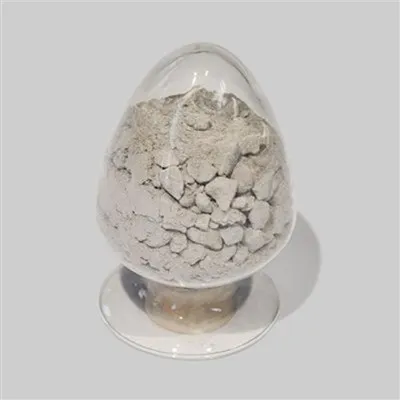
Chemical properties
To avoid metal pollution. The silica ramming mass is an acidic material, which will react when it encounters alkaline substances, so it cannot be used to treat alkaline substances such as iron and steel.
Composition
Neutral ramming mass is mainly composed of graphite, high alumina materials, kaolin, etc., while silica ramming mass is mainly composed of silica and a small amount of alumina, aluminum sand, etc.
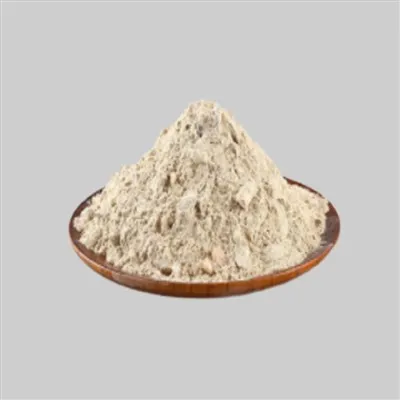
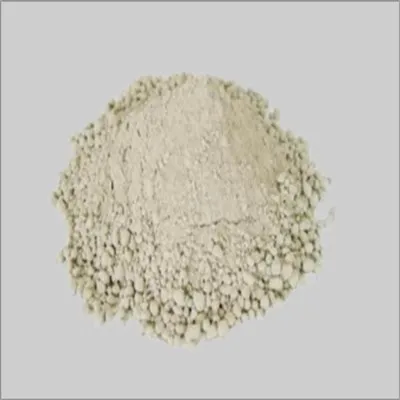
Physical properties
Neutral ramming mass has good thermal shock resistance, corrosion resistance, wear resistance and other properties at high temperature; silica ramming mass has good wear resistance and high temperature resistance, but its heat resistance Shock and erosion resistance are relatively poor.
Application range
Neutral ramming mass is suitable for the smelting of neutral liquid metals such as iron and steel, and can be used as the inner layer filling material of induction furnace; while the silica ramming mass is more suitable for the inner filling material of electric arc furnace and foundry furnace.
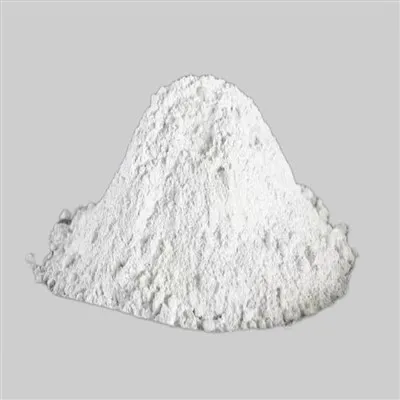
Introduction to the Basic Knowledge of Ramming Mass
The ramming mass refers to ramming (manual or mechanical) method of construction, and hardened in the heating effect is higher than normal temperature under the unshaped refractory materials. By refractory aggregate, with certain gradation of powder, binder, additive water or other liquid after mixing.According to the material classification with high alumina, clay, magnesite, dolomite, zirconium and silicon carbide carbon refractory ramming material.Function: ramming material is made of silicon carbide, graphite, electric calcined anthracite as raw material, mixed with a variety of ultra-fine powder additives, fused cement or composite resin as the binder made of bulk cement.To fill the gap or stack cooling equipment and masonry masonry filler.
The leveling layer with acidic, neutral and alkaline ramming material widely used in intermediate frequency coreless furnace core induction furnace, as if furnace ramming material used for melting aluminum and its alloys, melting of copper, brass, copper and bronze and copper alloy etc..The carbon ramming mass as an example: according to the different type of blast furnace and the material design requirements of different carbon ramming material is mainly used for blast furnace carbon brick and bottom sealing gaps between plates and carbon bricks and the cooling wall, and filling the furnace bottom water cooling tube over the central line of the leveling and cooling wall, all parts are required by ramming carbon ramming after ramming mass has a certain strength and density, and filled every corner of a small gap, to achieve no leakage of hot metal and gas demand,Classification and construction: all ceramic ramming material consisting of material is divided into: clay, high alumina, carbon, magnesium and dolomite.
High aluminum (or clay) ramming mass construction: mixing coarse aggregate and binder to specified proportion of (high alumina cement, were added to the forced mixer in dry mixed 1 ~ 2min), followed by adding quantitative water mixing about 5min. Carbon ramming material for construction of carbon ramming material can be used in the cold or hot tamping tamping method commonly used construction method, construction is convenient to the cold ramming method should be adopted. No matter what the carbon material construction method, adopt the finished material. The cold ramming carbon material can be directly put into use.Hot ramming mass of carbon, carbon material must be pre crushing, and uniform heating, mixing temperature and heating temperature according to the finished material. There should be no carbon material lumps after heating, ramming hammer should be heated to dark brown, the temperature should not be less than 70 degrees.Magnesia ramming mass for construction of magnesia ramming materials with its different tar bonded magnesia, magnesia from brine two, used for converter, electric furnace, copper reverberatory furnace, furnace bottom parts etc.. Tar magnesia ramming material before construction, should the coal tar is heated to 130 DEG C for dehydration, magnesia and iron oxide powder is heated to 1100 more than dry.
Classification of Ramming Mass
Acidic ramming mass
The acid ramming material is the premixed ramming mass of the lining material. The refined high silicon, low iron quartz sand and quartz powder are selected and the fused quartz sand is added as the refractory material. The product has high refractoriness, with no slag, no crack, damp proof, convenience of repair, and the corrosion resistance, thus greatly improving the furnace service life span and the economic benefit. Acidic ramming mass can be widely used in continuous operation or intermittent operation of ductile iron, gray cast iron, carbon steel and low melting point alloy. The acid ramming mass is used to smelt a series of metal materials such as ordinary steel, 45# steel and carbon steel. Good acid ramming material can be used up to more than 120 times and up to 180 times. The acidic refractory ramming which is used to melt gray cast iron, ball cast iron, etc, can be used up to more than 350 times and up to 500.
Basic ramming mass
Basic ramming mass mostly refers to the magnesia based refractory mass used as the refractory lining material in the furnace building. Magnesia ramming material is a bulk material made of fused magnesia as raw material, with various superfine powder additives and fused cement or composite resin as binder. In non-core induction furnace, eaf hearth, hot and cold steel launders, we can find the application of the basic ramming mass.
Silica ramming mass
The silica ramming mass is made of high purity microcrystalline quartz sand, powder, adding high-temperature sintering flux, and mineralizer. Because of its proper size distribution design, it can get dense unshaped lining through all kinds of knot methods. The silica ramming mass is mainly used for working lining of non-core induction furnace for melting and holding cast iron. The percentage of sio2 is more than 98.6% and the largest amount of al2o3 is 0.8%, with little other elements like mgo, cao, na2o, k2o, etc. The application temperature for steel is up to 1700℃ and for cast iron is up to 1550℃.
Carbon ramming mass
According to the different furnace type and different design requirements, carbon ramming mass is mainly used in the gap between the carbon brick and the sealing plate at the bottom of the furnace, the gap between hearth carbon brick and the cooling wall, as well as the leveling above the centerline of the water cooling pipe of the furnace bottom and the filling of the cooling wall. All parts are require a certain intensity and density, filling every corner and a small gap to meet the requirements of non-leakage of molten iron and gas. The thermal conductivity of carbon ramming mass material is basically consistent with the performance of hot carbon brick and cooling wall of the blast furnace, not affecting the life span of the blast furnace, thus ensuring the normal production of the blast furnace.
Our Factory
Factory established in 1984, International business department established in 2010. Factory with 10000 m2 area, 120 employees including 20 professional engineers. CH REFRACTORIES is professional manufacturer of fire bricks, Mortar, Pre-cast, Pre shape, Insulation products, Castable, Functional Products for Iron & Steel, Cement, Glass, Power & Petrochemical Industries. Moreover, CH REFRACTORIES also manufacturing and exporting refractory cement A600 A700 A900 CA70, Bauxite and other refractories raw material to all of the world.
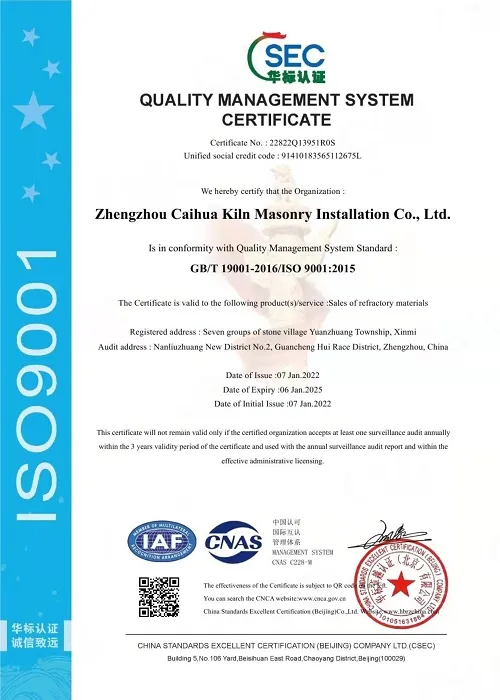
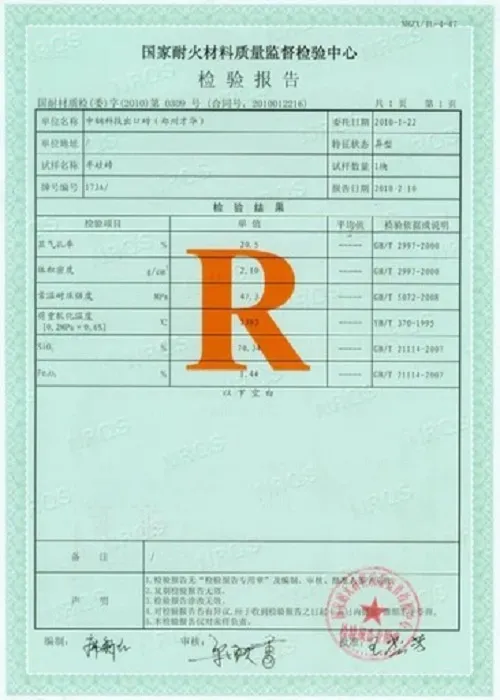
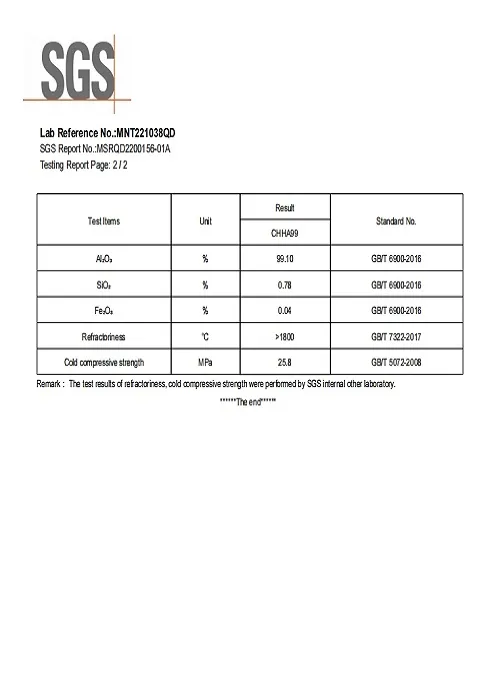
Certificate
FAQ:
Q: What are the common applications of ramming mass?
Q: How is ramming mass different from refractory castables?
Q: What are the advantages of using ramming mass?
Q: How is ramming mass installed?
Q: Can ramming mass be used for repairs?
Q: Are there different types of ramming mass available?
Q: What factors should be considered when selecting ramming mass?
Q: Can ramming mass be used in coreless induction furnaces?
Q: How do insulating ramming masses differ from dense ramming masses?
Q: Are there health and safety precautions when working with ramming mass?
Q: Can ramming mass be recycled or reused?
Q: How do ramming masses contribute to energy efficiency?
Q: What are the maintenance requirements for ramming mass linings?
Q: Can ramming mass be customized for specific applications?
Q: How does ramming mass withstand high temperatures?
Q: Can ramming mass be used in contact with molten metals?
Q: How should ramming mass be cured after installation?
Q: Are there environmental considerations when using ramming mass?
Q: Can fibers be added to ramming mass for reinforcement?
Q: How do additives enhance the properties of ramming mass?
We're well-known as one of the leading ramming mass manufacturers in China. Please rest assured to buy customized ramming mass at competitive price from our factory. Contact us for more cheap products.
metallurgical adsorbents, fire brick manufacturer, fire brick with good chemical resistance