

Refractory Silica Brick
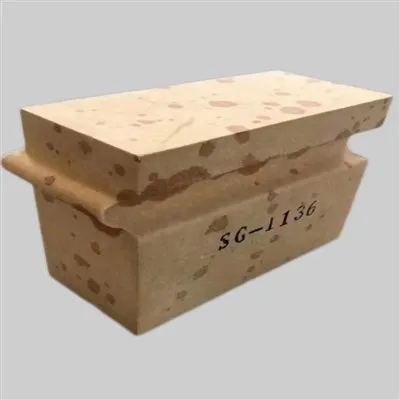
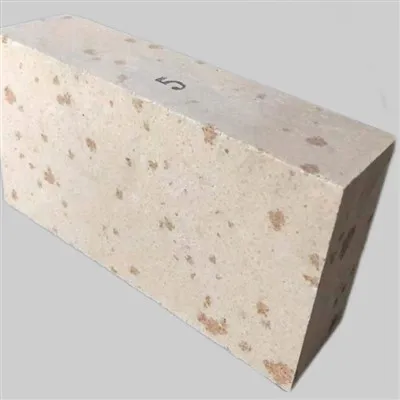
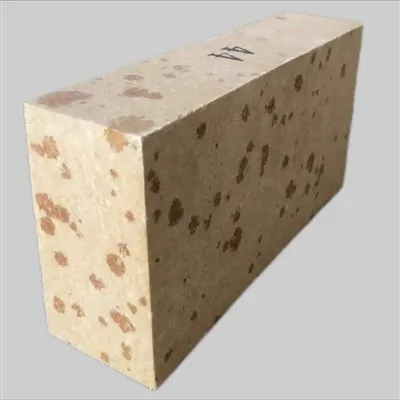
Refractory silica bricks are made of quartz stone material, the content of sio2 is more than 96%.Refractory silica brick belong to acid refractory brick,have the excellent ability to resist acid slag and acid solution erosion.Refractory silica brick have good high temperature strength, high refractoriness under load about 1640-1680℃, high softening point with temperature. What’s more, refractory silica bricks are also featured with good heat conduction and the refractoriness is 1690~1730°c. It is an ideal high-temperature furnace construction material.
Advantages of Refractory Silica Brick
Cost-effective
Silica refractory bricks are relatively cost-effective compared to other refractory materials, making them an attractive option for industries with budget constraints.
Versatility
Silica refractory bricks are versatile and can be used in a wide range of applications. Their excellent thermal and chemical properties make them adaptable to various industries and processes.
Easy installation and maintenance
Silica refractory bricks are easy to install and maintain, allowing for efficient and hassle-free implementation in industrial settings.
Longevity
Silica refractory bricks have a long lifespan, thanks to their durability and resistance to high temperatures and chemical corrosion. This longevity results in cost savings over time, as there is a reduced need for frequent replacement or repairs.


Why Choose Us
Our factory
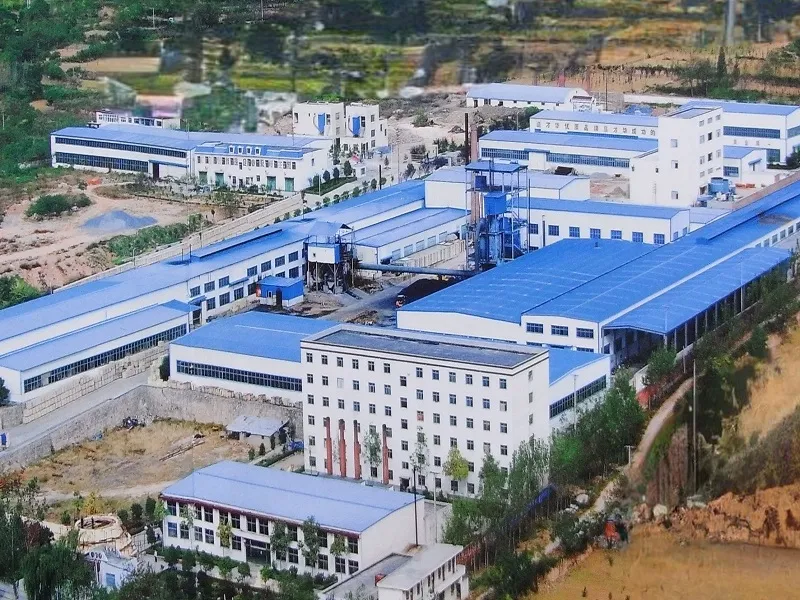
Factory established in 1984, International business department established in 2010, factory with 10000 m2 area.
Advanced equipment
Sets of 1000 tons brick machine, 10 sets of 630 tons brick machine, 2 sets of 180m high temperature tunnel kilns, complete set of physical and chemical index testing equipment.
Our service
Free products design, free technological supporting, free installation guidance, 18 month quality guarantee.
Our product
Ch refractories is professional manufacturer of fire bricks, Mortar, Pre-cast, Pre shape, Insulation products, Castable, Functional Products for Iron & Steel, Cement, Glass, Power & Petrochemical Industries. Moreover, CH REFRACTORIES also manufacturing and exporting refractory cement A600 A700 A900 CA70, Bauxite and other refractories raw material to all of the world.
Refractory Silica Brick Production Technology
Raw material preparation
The first step is to select high-quality raw materials, typically silica-rich materials such as quartzite, silica sand, or ganister. The raw materials are crushed and ground to obtain a fine and uniform particle size distribution.
Mixing
The crushed and ground raw materials are thoroughly mixed with water or a binder to form a plastic or semi-plastic mass. This step ensures that the raw materials are evenly distributed and well bonded.
Molding
The plastic or semi-plastic mass is then shaped into bricks using various molding techniques such as extrusion, pressing, or casting. The bricks can be formed in different shapes and sizes depending on the desired application.
Drying
The molded bricks are dried to remove excess moisture and improve their strength. This is typically done by air drying or using a drying oven. Care must be taken to control the drying process to prevent cracking or deformation.
Firing
The dried bricks are subjected to a high-temperature firing process known as sintering. The firing temperature for refractory silica bricks is usually around 1450-1600°c (2642-2912°f). The bricks are loaded into kilns or furnaces, and the temperature is gradually increased to allow for proper heat distribution and controlled expansion. The firing process helps to fuse the raw materials together and transform them into a dense and stable structure.
Cooling and testing
After the firing process, the kiln or furnace is allowed to cool down slowly to room temperature. The cooled refractory silica bricks are then tested for various properties such as density, porosity, strength, and thermal conductivity to ensure they meet the desired specifications.
What Are the Raw Materials for Refractory Silica Brick
Silica sand
It is the most important raw material for making refractory silica bricks. High-quality silica sand with high SiO2 content, low impurities, and suitable particle size is preferred.
Kaolin or clay
Small amounts of kaolin or clay may be added to silica sand to improve its plasticity and molding properties.
Alumina
Small amounts of alumina may be added to silica sand to increase the refractoriness and mechanical strength of the bricks.
Binders
Organic binders, such as starch or cellulose, may be added to the raw material mixture to improve the strength and plasticity of the bricks.
Additives
Small amounts of various additives may be added to the mixture to enhance specific properties of the finished product, such as thermal shock resistance or corrosion resistance. The exact composition of refractory silica bricks may vary depending on the application requirements, manufacturing process, and the availability of raw materials. However, silica sand is always the main component of refractory silica bricks, while other materials are added in small quantities to achieve the desired properties.
Applications of Refractory Silica Brick
Glass manufacturing
Silica refractory bricks are extensively used in glass manufacturing processes, such as the construction of glass tanks, melting furnaces, and regenerators. Their excellent thermal stability and resistance to alkalis make them ideal for these applications.
Metallurgical industry
Silica refractory bricks are used in the metallurgical industry for lining furnaces and kilns, as well as in the production of iron, steel, and non-ferrous metals. The high melting point and acid resistance of silica refractory bricks make them suitable for these high-temperature applications.
Petrochemical industry
In the petrochemical industry, silica refractory bricks are employed in the construction of cracking furnaces, reformers, and incinerators. Their ability to withstand high temperatures and resist chemical corrosion is crucial in these processes.
Power generation
Silica refractory bricks are utilized in the power generation industry for lining boilers, furnaces, and incinerators. Their thermal stability and resistance to thermal shock make them an excellent choice for these high-temperature environments.
Thermal Properties of Refractory Silica Brick
High melting point
Silica has a high melting point of approximately 1,710 degrees celsius (3,110 degrees fahrenheit). This property allows silica refractory bricks to withstand extremely high temperatures without undergoing significant structural changes.
Low thermal expansion
Silica refractory bricks have a low coefficient of thermal expansion, meaning they expand very little when exposed to high temperatures. This characteristic helps to minimize the risk of cracking or spalling, ensuring the structural integrity of the bricks under thermal stress.
Good thermal conductivity
Silica refractory bricks exhibit good thermal conductivity, allowing them to efficiently transfer heat. This property is crucial in applications where heat needs to be distributed evenly or removed from specific areas.
Chemical properties
The chemical properties of silica refractory bricks contribute to their excellent resistance to chemical corrosion. Here are some important chemical properties of silica refractory bricks:
Acid resistance
Silica refractory bricks have high acid resistance, making them suitable for applications where they come into contact with acidic substances. They can withstand the corrosive effects of acids, including sulfuric acid and hydrochloric acid.
Alkali resistance
Silica refractory bricks also demonstrate good resistance to alkalis, such as sodium hydroxide and potassium hydroxide. This property allows them to withstand the alkaline environment often present in industrial processes.
Stability at high temperatures
Silica refractory bricks remain stable even at high temperatures, ensuring that they maintain their chemical properties and structural integrity. This stability is crucial in applications where the bricks are exposed to both high temperatures and chemical substances.
Mechanical properties
Silica refractory bricks possess favorable mechanical properties that contribute to their durability and reliability. Here are some notable mechanical properties of silica refractory bricks:
High compressive strength
Silica refractory bricks have high compressive strength, enabling them to withstand significant pressure without deformation or failure. This property is essential in applications where the bricks are subjected to heavy loads or compression.
Low thermal shock resistance
Silica refractory bricks have good thermal shock resistance, meaning they can withstand rapid temperature changes without cracking or spalling. This property is crucial in applications where the bricks are exposed to cyclic heating and cooling.
Introduction to Relevant Knowledge of Refractory Silica Brick
The refractory silica bricks are manufactured as multiple asymmetric shapes, which are normally keyed or interlocked with each other by means of tongues and grooves. It is the objective of the manufacturer of silica refractory bricks to select the raw materials and the firing process in such a manner that the degree of quartz transformation is suitable for the intended application of the brick. The raw material for silica brick is naturally occurring quartzite which must meet certain requirements in order to achieve optimum brick properties. If refractoriness or thermal expansion under load (creep) are the main requirements, a quartzite of high chemical purity must be selected. Raw materials for volume stable products should have good transformation properties.
The chemical composition of quartzite is important in its evaluation as a raw material, in particular the content of alumina and alkalis, as these lower the melting point and considerably reduce the possibilities of application. In addition the firing behaviour of the quartzite must be taken into account. After the washed raw materials have been crushed, ground and screened to the various grain fractions, the individual fractions are combined in predetermined proportions according to the required application properties. In most cases, muller mixers are used for mixing and special bonding agents. Generally around 2 % slaked lime in liquid form (lime water) and some sulphite solution as a temporary binder, are added at the same time. The friable mix is then processed on friction presses or hydraulic presses.
Complicated shapes or those where short runs are required, are still rammed by hand. Drying takes only a short time, one to two days, as lime bonded silica are not sensitive when drying. The reversible thermal expansion also depends on the mineral composition. Tridymite and cristobalite do not expand linearly during heating but exhibit sudden changes in length both during heating and during cooling.
These changes in length are caused by the sudden transformations behaviour of the space lattice of these minerals. Quartz shows such a transformation at 573 deg C, tridymite at 117 deg C, and cristobalite between 225 deg C and 270 deg C. It is to be noted in particular that the thermal expansion of cristobalite is considerably greater than that of the tridymite. Because well transformed silica bricks contain little or no residual quartz, their behaviour under the influence of temperature is largely determined by the ratio of cristobalite to tridymite.
During heating up, silica bricks expand rapidly with the total reversible expansion being completed at around 800 deg C. Therefore they are insensitive to the temperature fluctuations above 800 deg C (red heat), but very susceptible below this temperature because of the sudden volume expansion. For this reason, sufficient time must be allowed for heating furnaces up to about 800 deg C. A characteristic of silica bricks is the difference of only 10 K between the beginning and the completion of softening during the refractoriness under load test. Because of their low glass content, the bricks form very small amounts of liquid at high temperatures. The amount of liquid phase at 1600 deg C is between 10 % and 20 % and only increases strongly above 1650 deg C. For this reason, silica bricks can be used practically up to the melting point. During use of too high temperatures, combined with chemical attack, the bricks drip or run.
Thermal expansion under load (creep) and content of liquid phase are adversely affected by the Al2O3 content in particular. The requirements for silica bricks, which have increased during recent years for coke ovens, blast furnace stoves, and glass furnace have led to the development of extremely dense bricks low in fluxing agents. These special bricks, using selected raw materials in their manufacture, contain the same quantity of viscous melt at 1695 deg C as there is in normal bricks at 1650 deg C. Therefore they have a considerably higher temperature resistance before the destruction process starts through melting and dripping. As a result of their high density, the special silica bricks for coke ovens have a much higher thermal conductivity than ordinary silica bricks. This improves the thermal efficiency of the coke oven batteries.
Manufacture Of Refractory Silica Brick Selected Binding Agent And Dosage Characteristics
The binding agents used in the manufacture of refractory silica bricks are sulfite pulp waste liquid and milk of lime. Lime milk as a binding agent, plays the role of plasticizer. Milk of lime makes the brick in the drying process increase strength and, in the firing, become a mineralizing agent, promoting the transformation of quartz. Lime should contain a large amount of active CaO, undecomposed CaCO3, and MgCO3 not more than 5%, Al2O3 + Fe2O3 + SO2F more than 5%. When containing large particles of underburned Ca-CO3 and overburned lime, the product produces a melt hole, affecting the quality of the product. Batching should be converted to the addition of lime CaO, the amount of its addition depends on the different products, usually fluctuating in 1.5–2.5%. For example, the production of coke oven silica bricks, CaO addition of 2.0–3.0%; production of electric furnace top silica bricks, CaO addition of 1.4–1.75%.
Adopt silica with an impurity content of less than 0.5%, and rinse it with tap water before batching to ensure the quality in the early stage. Batching will be fast conversion of quartz and slow conversion of quartz mixed ingredients, which can make the firing temperature down 20 ℃. The critical particle size will be reduced from 3mm to 2mm in the batching process, which can increase the interfacial energy of the material and promote the transformation of quartz. In addition, the selection of new mineralizing agents is also important to improve product quality. At present, most producers of the ingredients added to the mineralizing agent are still lime milk and iron scale. To improve the load-softening temperature of the product, the addition of FeO has been reduced from 2.5% to less than 1%. If the use of feldspar-type minerals containing alkali metals or composite mineralizing agents can receive better results.
Not this product should be stored in a waterproof warehouse, water wet at a temperature below 100 ℃ slow drying can still be used. Water-containing silica bricks will affect the strength after freezing, and need to be re-examined after drying. The masonry of refractory bricks should leave expansion joints according to the expansion rate provided by the manufacturer. Refractory brick ovens or periodic use of temperature and time curves should be reasonably formulated, especially before 600 ℃ expansion intense to be strictly controlled. Masonry refractory bricks use mud quality to be compatible with the refractory bricks, sometimes Refractory bricks brick damage is due to the refractory bricks’ joints were first etched leading to alkali vapor into the previously introduced masonry refractory bricks brick joints requirements.
Now some glass factories to increase the melting temperature and extend the overall life of the kiln, the small furnace mouth, and chest wall use electrofused zirconium corundum refractory bricks, and some of the vault or part of it to use other materials. The refractory silica brick consumption ratio may be smaller, but the refractory silica brick has a high load softening temperature, lightweight, low price, and other potential, the glass kiln arch and part of the upper structure of the furnace will still use refractory silica brick. Therefore, improving the quality of glass kiln refractory bricks still can not be ignored.
Our Factory
Factory established in 1984, International business department established in 2010. Factory with 10000 m2 area, 120 employees including 20 professional engineers. CH REFRACTORIES is professional manufacturer of fire bricks, Mortar, Pre-cast, Pre shape, Insulation products, Castable, Functional Products for Iron & Steel, Cement, Glass, Power & Petrochemical Industries. Moreover, CH REFRACTORIES also manufacturing and exporting refractory cement A600 A700 A900 CA70, Bauxite and other refractories raw material to all of the world.
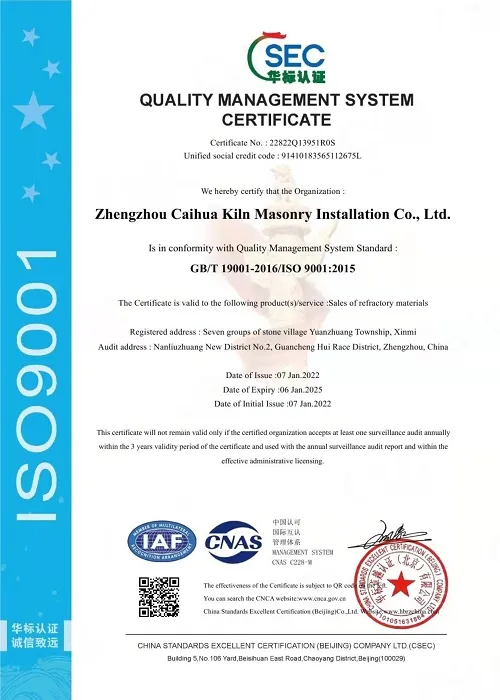
Certificate
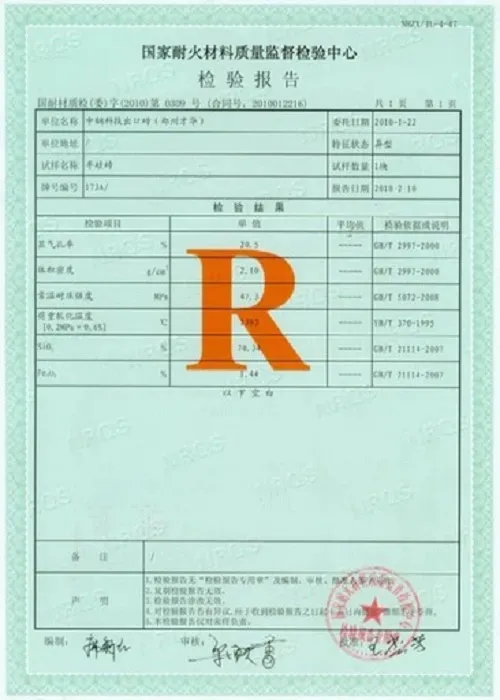
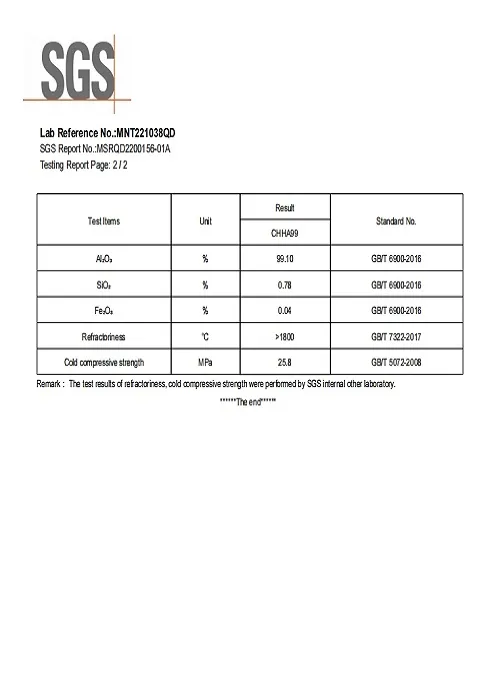
FAQ:
Q: What are refractory silica bricks?
Q: What are the main applications of refractory silica bricks?
Q: What are the key properties of refractory silica bricks?
Q: How are refractory silica bricks classified?
Q: Are there any safety precautions to consider when working with refractory silica bricks?
Q: How do you assess the quality of refractory silica bricks?
Q: Can refractory silica bricks be used in contact with molten metals?
Q: How do you determine the service temperature of refractory silica bricks?
Q: How do you extend the service life of refractory silica brick linings?
Q: Are there any environmental considerations when using refractory silica bricks?
Q: Can refractory silica bricks be used in non-ferrous metal applications?
Q: What are the key factors to consider when selecting refractory silica bricks for a specific application?
Q: What is the typical composition of refractory silica bricks?
Q: How are refractory silica bricks manufactured?
Q: What are the advantages of using refractory silica bricks?
Q: How do refractory silica bricks compare to other refractory materials?
Q: How should refractory silica bricks be stored?
Q: What are the common shapes of refractory silica bricks?
Q: How do you determine the appropriate thickness of refractory silica bricks for a furnace lining?
Q: How do you repair damaged refractory silica brick linings?
We're well-known as one of the leading refractory silica brick manufacturers in China. Please rest assured to buy customized refractory silica brick at competitive price from our factory. Contact us for more cheap products.
high temperature fire brick, refractory for anodizing resistance, metallurgical dust collectors