

Slide Gate Plate
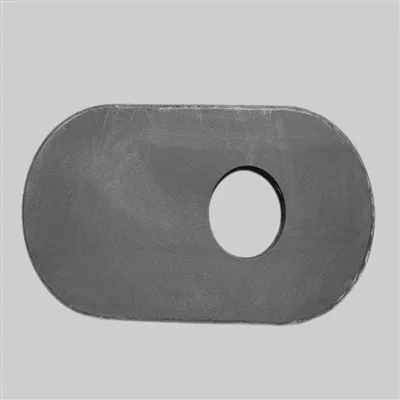
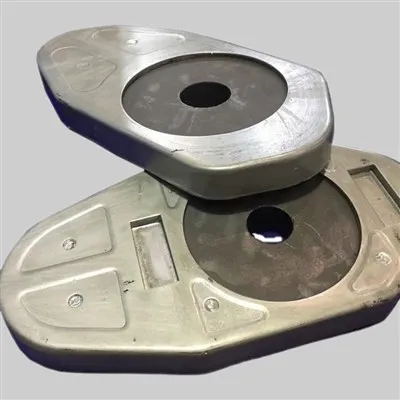
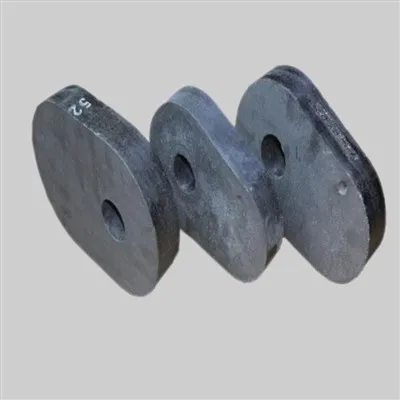
In a range of different chemistries and bond systems, slide gate plates are available to better fit the steel grades and the slag chemistry. Unique high purity physical, chemical, and mineralogical compositions ensure high resistance to corrosion and erosion, optimum resistance to thermal shock, and optimum efficiency. According to the need for refractory requirements of core sector industries, we have a complete range of Slide Gate Plate Refractories items of all grades and shapes.
Advantages of Slide Gate Plate
High density plate inserts providing excellent erosion resistance
High corrosion and erosion lead to stop the production line and leakage of melt. Therefore, these parts are designed to withstand hard work conditions such as high temperature, rapid temperature changes, high wear rate and chemical reactions.
Strong flexural and compressive strength
Slide gate plate have strong flexural and compressive strength, moderate thermal expansion, high thermal conductivity, low modulus of elasticity, and resistance to molten metal and slag.
Comprehensive range
A comprehensive range of designs available. Ability to make custom made plate insert designs.
Have higher hot strength qualities
In the steelmaking process, one of the most significant refractories for continuous steel casting is the slide gate plate, which is used for precise flow control and safety. Slide gate plates regulate the flow of steel from the steel ladle to the tundish. Because they come into touch with hot liquid steel, the refractories used for slide plates should have higher hot strength qualities.


Why Choose Us
Our factory
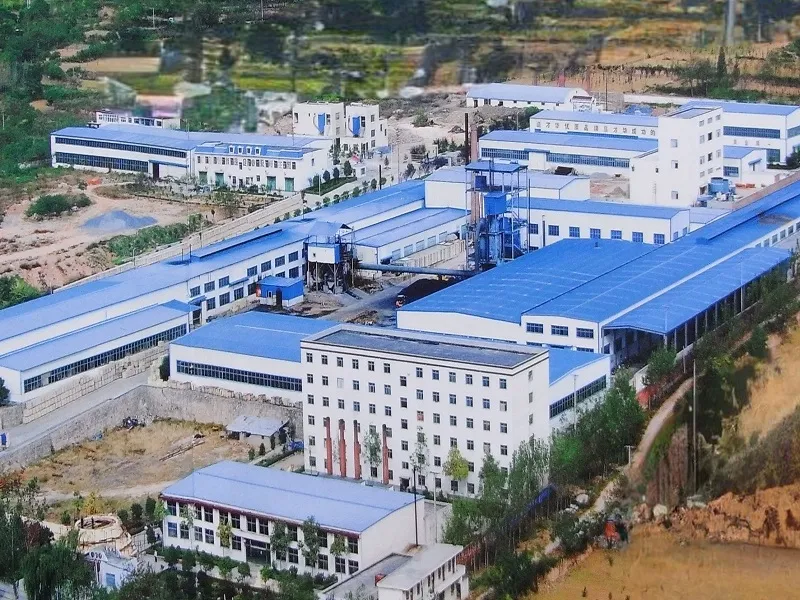
Factory established in 1984, International business department established in 2010, factory with 10000 m2 area.
Advanced equipment
Sets of 1000 tons brick machine, 10 sets of 630 tons brick machine, 2 sets of 180m high temperature tunnel kilns, complete set of physical and chemical index testing equipment.
Our service
Free products design, free technological supporting, free installation guidance, 18 month quality guarantee.
Our product
Ch refractories is professional manufacturer of fire bricks, Mortar, Pre-cast, Pre shape, Insulation products, Castable, Functional Products for Iron & Steel, Cement, Glass, Power & Petrochemical Industries. Moreover, CH REFRACTORIES also manufacturing and exporting refractory cement A600 A700 A900 CA70, Bauxite and other refractories raw material to all of the world.
Analysis and Material selection for Slide gate plates
The slide gate plate like the stopper rod functions to control the metal flow from the tundish to the mold. The slide gate mechanism consists of an upper nozzle placed inside the well block, top plate, sliding middle plate, and bottom plate essentially with a collector nozzle for placement of the submerged entry nozzle. The bore diameter varies from 40 to 50 mm depending on the throughput required. The system is sealed with the help of argon (provision for argon sealing is provided on the bottom and top plates which also serves for the cooling of the plates). The housing is provided with a spring to keep the plates under compression. Many tundish slide-gate systems require air cooling for the springs that supply sealing force to the plates. A glass fiber rope is added which acts as a mechanical seal between the main frame and the top plate.
The plates in contact with steel reaches the steel temperature. The temperature is very high from the refractory point of view and very high-temperature material is preferred. The thermal cycling for the working lining is considerably high. The lower plate experiences greater shock being in the open air and when the gate is opened and steel flows through it. The thermal shock is accentuated by the presence of cold argon, primarily used for cooling and sealing induces thermal stress when it comes in contact with the hot refractory. The abrasion is dependent on the throughput of steel and the size of the bore. The size of the bore is important as far as the abrasion is concerned. When the bore diameter is large then the overlap of the will be small leading to more turbulence and force generation on the lower plate. But when the overlap is more when the bore size is small it becomes harder to control metal flow or compensate for any chocking in the nozzle. The recommended overlap is 50 % for the desired output. Additionally, the movement of plates causes further wear which is not the case for the tundish upper nozzle. The applied stress is high for the plates. They need to be kept under the action of compressive stress due to the need to prevent metal leaking from the plate gap and prevent propagation of cracks. The presence of argon cooling and sealing puts additional stress on the plate.
Wear by dissolution depends on the chemical compatibility of the slags with bricks. The Ca vapour attack is a major issue when casting special grades of steel containing Ca which is in added to modify flow inclusions. When Ca is present is present in the steel and there is overlap of steel plates the calcium gets converted to Ca vapour and reacts in an aggressive manner due to the presence of alumina in the plates. This causes severe wear especially when the concentration of Ca crosses 40 ppm. The wear is in the shape of horse shoe due to the shape it attains after service. MgO or MgC can be alternate solution but it suffers from thermal shock/spalling due to the expansion rate and the stress. Penetration is caused by low viscosity metal/ slag or highly wetting metal/slag penetrating into porous refractories. Oxygen lancing is generally not done and the chance of low viscosity slag formation is rare.
The applied stress is high for the plates. They need to be kept under the action of compressive stress due to the need to prevent metal leaking from the plate gap and prevent propagation of cracks. The presence of argon cooling and sealing puts additional stress on the plate. Spalling of the penetrated zones- The application of applies stress along with abrasion from metal flow, thermal stress due to cold argon flow, corrosion by Ca vapor reduces the life of the plates abruptly. The slide gate plate is made up of alumina- carbon mix of 20-25% C (94% graphite) and 70-75 % alumina (tabular fused alumina with mullite additions). Sometimes 0-5% Zirconia is added. Antioxidants like Al, Si is added to protect the carbon. The material used can be alumina or alumina spinel or pure magnesia or alumina carbon mix with zirconia. High purity material are normally preferred because the material has to sustain really high temperatures. The top nozzle is the key wear area and contains zirconia or spinel or magnesia if high calcium grades are cast. The body generally consists of single material depending on the grade mix.
Construction of Slide Gate Plate
Lower plate
Slide gate plates are typically made of high-quality refractory materials that can withstand extremely high temperatures. These refractory materials are chosen for their excellent thermal resistance, corrosion resistance, and mechanical strength. Common refractory materials used in slide gate plates include alumina, zirconia, magnesia, and carbon. The choice of material depends on the specific requirements of the application. The lower plate forms the base of the slide gate assembly. It contains the mechanism responsible for opening and closing the gate.
Nozzles
Nozzles are openings or channels within the slide gate plate that control the flow of molten metal. These nozzles are designed to be opened or closed using a control system, allowing precise regulation of the metal flow.
Mechanical components
Slide gate plates are equipped with a mechanism, often referred to as a slide gate system, which can be manually or automatically operated. This mechanism controls the position of the gate and, thus, the flow of molten metal through the nozzles.
Why Is Slide Gate Plate so Popular in the Market?
The demand for high-performance shaped refractories has increased in recent years, primarily to changing steel-making trends. Refractories are frequently utilized in continuous steel casting. Because of their superior corrosion resistance and thermal shock resistance, these refractories are ideal for the production of slide plates. Refractories also have strong flexural and compressive strength, moderate thermal expansion, high thermal conductivity, low modulus of elasticity, and resistance to molten metal and slag.
In the steelmaking process, one of the most significant refractories for continuous steel casting is the slide gate plate, which is used for precise flow control and safety. Slide gate plates, as indicated in the diagram below, regulate the flow of steel from the steel ladle to the tundish. Because they come into touch with hot liquid steel, the refractories used for slide plates should have higher hot strength qualities. Slide gate plate refractories are utilized in ladles and tundishes where they are subjected to thermal stress and physical abrasion from molten metal and slag. As a result, the slide gate plate must be resistant to thermal shock as well as corrosion. The structure of slide gate plate refractories determines the capacity and cost of steel production. The slide gate plate can be manufactured of alumina/graphite or magnesia/graphite, depending on the steel production requirements. In recent years, alumina/carbon refractories have become increasingly popular in order to avoid fuming caused by pitch, which was previously utilized in the plate, and to improve durability and service environment. The downside of alumina/graphite is that it is eroded quickly by ‘Ca’ treated steel and strong oxygen contacts. Basic materials have better corrosion resistance than neutral metals, and their corrosion resistance varies depending on the steel grade.
However, due to their high thermal expansion coefficient, neutral metals have reduced thermal spalling resistance. When high-temperature fluids, such as molten metal, flow through the nozzle of a slide gate plate, a large temperature difference occurs between the inside and outer parts of the slide gate plate that are away from the nozzle hole, causing thermal shock to some of the materials that make up these parts. As a result, the gate plate device is made of refractory material with strong thermal shock resistance but low fineness.
The slide gate nozzle for receiving a melt of special steel, notably molten steel deoxidized with ‘Ca’ alloy, is made of a zirconia-based material, which lacks stability in spalling resistance and so does not guarantee sufficient durability. In steel casting operations, refractories are commonly utilized. The so-called functional components, such as submerged entry nozzles, mono-block stoppers, and ladle shrouds, are the most basic members of this refractory product group, which are utilized in continuous steel casting.
Effective Measures to Reduce Cracks of Slide Gate Plate

Improve the thermal shock resistance of the slide gate material
By reducing the coefficient of thermal expansion and modulus of elasticity of the slide gate material and improving the resistance to thermal shock, the damage to the slide gate caused by thermal stress can be effectively mitigated, and the danger of cracking can also be reduced.
Optimization of the shape of the slide plate and the top tightening method
Optimization of the shape of the slide plate and the top tightening method, especially the use of finite element method. Such as increasing the width of both sides of the casting hole, reduce the width of other parts of the water drop-shaped linear arc connection, so that the full use of high-quality refractory materials, is conducive to reducing the concentration of thermal stress. For the longitudinal cracks produced by the slide due to coordination with the mechanism, the fundamental solution is to improve the coordination between the slide and the mechanism, such as by the point of contact changed to line contact, from line contact changed to surface contact, etc. It can greatly reduce the generation of such cracks.
Optimize the flatness of the mechanism
When found due to the sliding gate mechanism is not flat cracks, the need to test the flatness of the mechanism, if the slide plate and the mechanism is rigid contact, can consider adding buffer in the bonding surface, such as ceramic pads to alleviate. In the field operation need to pay attention to the use of compressed air to carefully blow the slide plate groove, assembly surface, sliding trolley, frame and mechanism of the base and other parts, and in the installation of the slide gate plate with a hand gently press the slide gate plate, to see whether there is a wobble, the use of these ways to determine the coordination of the slide gate plate and the mechanism to confirm that the coordination of the slide gate plate and the mechanism of the smoothness of the fit.
Adjust the material of the slide gate plate
For the cracks caused by the different materials of the slide gate plate, the cracks can be minimized by adjusting the way of combining the clay materials and other measures.For example, you can use a special feeding cylinder in the mud combination part to make two kinds of mud staggered combination, increase the interface area and bonding force. Special attention should also be paid to the matching of the thermal expansion of the two materials.
Improvement of cracks on slide gate and sub-master ports
For the cracks produced on the surface of the sliding gate plate and at the sub-mother mouth, improvement can be made in the following aspects. On the one hand, cracks can be minimized by improving the fluidity of the clay during the pressing process, such as adjusting the slope of the edge of the mother and father ports. On the other hand, cracks can be minimized by calculating the density of the clay and using a tool to make the difference in density between the mother tongue and the surface of the pressed slide smaller. In addition, the strength of the mold can be considered to reduce cracks.
The tightness of lower nozzle
In the hot repair of the cracks generated by the tightening of ladle lower nozzle, can be carried out by changing the operating habits. Under the mouth of the tightening is not the tighter the better, but to be just right, due to the slide and the mouth of the middle of the 1 ~ 2mm of fire clay, in the process of tightening the under the mouth of the spinning sleeve, do not make full force, when the hammer falls to the spinning sleeve when there is a bit of rebound to prove that the under the mouth of the spinning has been tightened, this point of the hot repair of the site of the actual operation of the experience requirements are high.Under the mouth of the tightening is not the tighter the better, but to be just right, due to the slide and the mouth of the middle of the 1 ~ 2mm amount of fire clay, in the process of tightening the under the mouth of the spinning sleeve, do not make full force. When the hammer falls on the spinning sleeve has a little rebound.
The Essentials for the Use of Slide Gate Plate
Prevent the occurrence of ‘slag going through’ phenomenon during casting. Pay attention to save the stroke when the continuous casting is controlled and the closing operation is completed. Prevent improper operation of nozzle cleaning which could cause the expansion of the casting hole to be too large. After cleaning the nozzle and removing the scrap of the colletor nozzle, carefully check the erosion of the three joints and the sliding surface of the sliding nozzle from the casting hole while moving the slide gate plate. Stop using when the joint erosion is obvious or the sliding surface is obviously rough.
While pushing and pulling the slide gate plate in the whole process, check the matching condition of the sliding surface of the upper and lower slide gate plates from outside the mechanism to determine whether the mechanism and the spring work normally. If there is a gap between the sliding surfaces or the sliding speed of the lower slide gate plate is too fast or too slow, etc., stop using.
Our Factory
Factory established in 1984, International business department established in 2010. Factory with 10000 m2 area, 120 employees including 20 professional engineers. CH REFRACTORIES is professional manufacturer of fire bricks, Mortar, Pre-cast, Pre shape, Insulation products, Castable, Functional Products for Iron & Steel, Cement, Glass, Power & Petrochemical Industries. Moreover, CH REFRACTORIES also manufacturing and exporting refractory cement A600 A700 A900 CA70, Bauxite and other refractories raw material to all of the world.
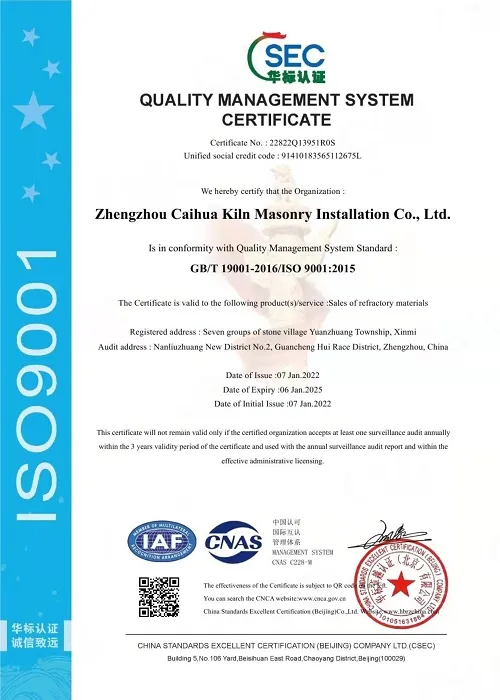
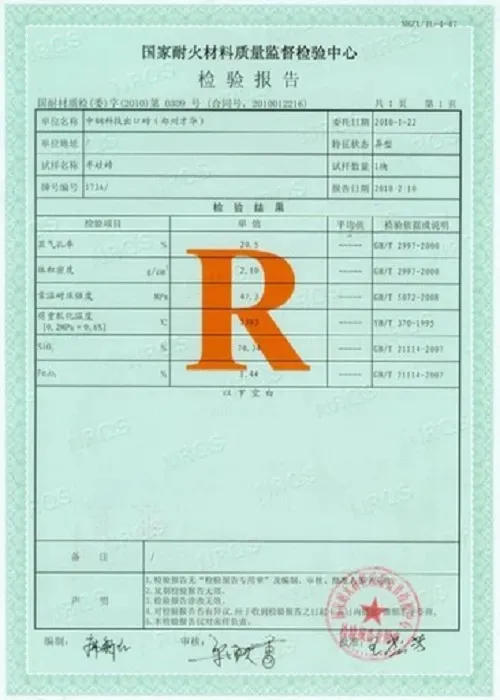
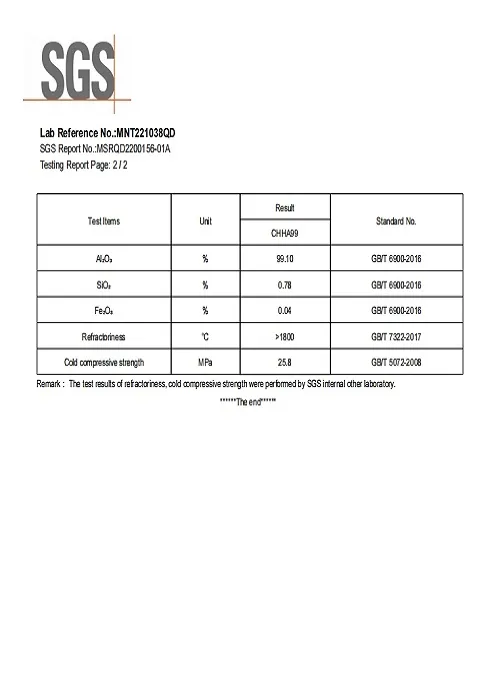
Certificate
FAQ:
Q: What are the main components of slide gate plates?
Q: What are the common applications of slide gate plates?
Q: How does a slide gate plate function?
Q: Are there environmental benefits to using slide gate plates?
Q: How do slide gate plates compare to other flow control systems?
Q: Can slide gate plates be used in high-speed casting operations?
Q: What are the maintenance intervals for slide gate plates?
Q: How do operators troubleshoot issues with slide gate plates?
Q: What are the advantages of using slide gate plates?
Q: Can slide gate plates be customized for specific applications?
Q: What factors affect the selection of slide gate plates?
Q: How do slide gate plates withstand high temperatures and thermal shock?
Q: Can slide gate plates be used in different steelmaking processes?
Q: Are there different types of slide gate plates available?
Q: How should slide gate plates be maintained?
Q: Can slide gate plates be recycled or reused?
Q: What are the safety considerations when working with slide gate plates?
Q: How do additives in slide gate plates enhance their properties?
Q: Can slide gate plates be repaired if damaged?
Q: How do slide gate plates contribute to steel quality?
We're well-known as one of the leading slide gate plate manufacturers in China. Please rest assured to buy customized slide gate plate at competitive price from our factory. Contact us for more cheap products.
metallurgical gas purifiers, fire brick for fireplace, metallurgical reinforcing materials