

Magnesia Carbon Brick
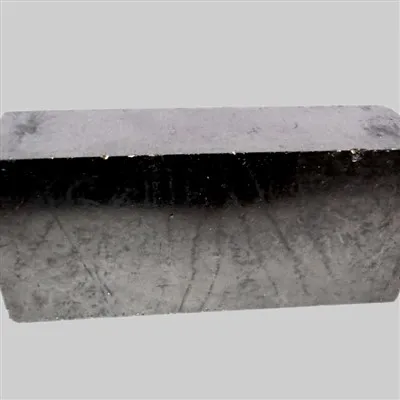
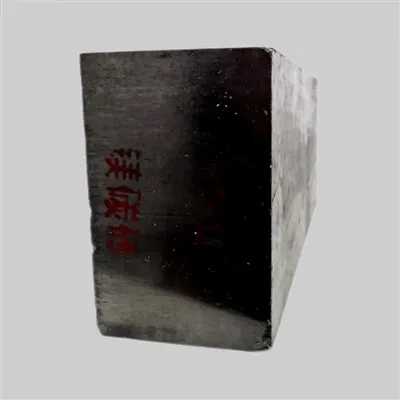
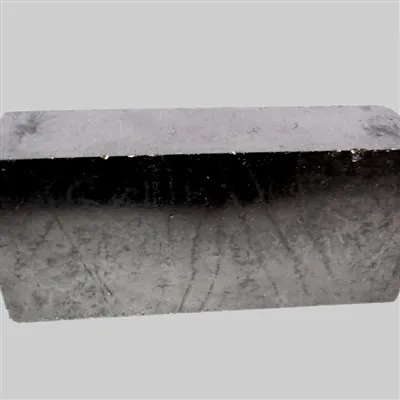
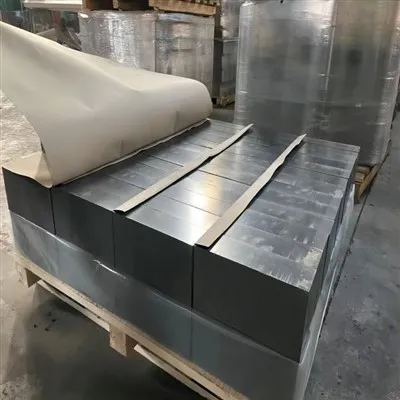
Magnesia-carbon brick is resin-bonded brick made from dead-burned or fused magnesia and graphite. Anti-oxidant is added if required. Our control over bonding agents mean that these products are classed as eco friendly in terms of steel production. This material has good performance in thermal resistance, corrosion resistance, and spalling resistance. These bricks are widely used in converters, EAFs, ladles, and refining furnaces.
Advantages of Magnesia Carbon Brick
Performance and production process
Magnesia carbon brick with excellent quality, performance and production process.
Good thermal stability and high specific strength.
Magnesia carbon brick is a kind of new refractory material, which has high refractoriness, good thermal stability and high specific strength.
Has good erosion resistance
It has the characteristics of high softening temperature, good temperature shock resistance and good thermal conductivity. The thermal expansion of magnesia carbon brick is close to that of cement clinker, and the thermal conductivity is better than that of other refractory materials. At the same time, it also has good erosion resistance, corrosion resistance and thermal shock resistance.
Can be applied to different occasions
The production process of magnesia carbon brick is advanced and reliable. It is produced by using advanced pressing technology. Magnesium oxide, carbon and other raw materials are mixed in a certain proportion according to the requirements of magnesia carbon brick, and then heated to form different shapes and sizes of bricks, which can be applied to different occasions.


Why Choose Us
Our factory
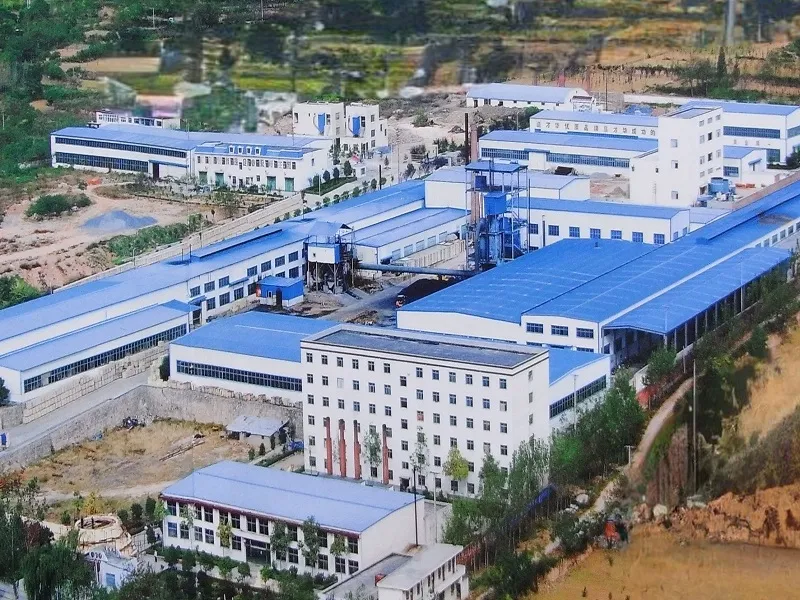
Factory established in 1984, International business department established in 2010, factory with 10000 m2 area.
Advanced equipment
Sets of 1000 tons brick machine, 10 sets of 630 tons brick machine, 2 sets of 180m high temperature tunnel kilns, complete set of physical and chemical index testing equipment.
Our service
Free products design, free technological supporting, free installation guidance, 18 month quality guarantee.
Our product
Ch refractories is professional manufacturer of fire bricks, Mortar, Pre-cast, Pre shape, Insulation products, Castable, Functional Products for Iron & Steel, Cement, Glass, Power & Petrochemical Industries. Moreover, CH REFRACTORIES also manufacturing and exporting refractory cement A600 A700 A900 CA70, Bauxite and other refractories raw material to all of the world.
What Is Magnesia Carbon Bricks Manufacturing Process
Magnesia carbon bricks is a high melting point of basic oxide oxide (melting point 2800 ℃) and difficult to be slag invasion of high melting point carbon material as raw material, add a variety of non-oxide additives. With carbonaceous binder combination of non-burning carbon composite refractory material.The traditional magnesia carbon brick manufactured by the synthetic tar binder in the cold mixing process is hardened during the process of tar damage and the necessary strength is obtained, thus forming isotropic glassy carbon. The carbon does not exhibit thermoplasticity, and the thermoplastic properties are eliminated in a large amount of stress during lining or during operation. The bituminous carbon brick produced by the asphalt binder has a high high temperature plasticity due to the formation of anisotropic graphitized coke during the asphalt carbonization process.
Therefore, the use of asphalt combined with the refractory brick crack resistance is higher than the asphalt bonded fire brick. In this paper, the method of making refractory suppliers magnesia carbon refractory brick by cold mixing process is described. The resulting bricks have a lower modulus of elasticity so that they act to eliminate stress during operation. Ordinary coal tar pitch is harmful to environmental protection because of the presence of benzophen. The choice of benzene and low content of the special meet the environmental requirements of the binding agent.
In order to improve its oxidation resistance, can be added in the ingredients such as Si powder, Al powder, SiC powder or ferrosilicon powder additives, resin as a binder, high pressure molding, after 200 ~ 300 ℃ treatment can be used without Calcined. Mainly used for large-scale converter and ultra-high power furnace steel lining and furnace refining furnace lining and so on. With the increase of carbon content, the bulk density and compressive strength of the MgO-C bricks are reduced. When the carbon content is between 6% and 8%, the high temperature flexural strength, thermal shock resistance, slag resistance and oxidation resistance of the magnesia carbon brick are good The carbon content is low and the slag resistance of the magnesia carbon firebrick is reduced. When the carbon content is 14%, the oxidation resistance of the magnesia carbon bricks is the worst.
What Kinds Of Magnesia Are Suitable For The Production Of Magnesia Carbon Bricks?
Large crystal fused magnesia
It is mainly made by selecting high-purity light-burned magnesia with a magnesium oxide content of 91%-92%, which is melted and insulated in an electric arc furnace. The appearance of the product is generally white and transparent, and some are slightly off-white or light yellow depending on the content of impurities. It has high purity, large crystal particles, high density, good slag resistance, and strong thermal shock resistance. It is used for An important raw material for making high-temperature electrical insulation materials, and also an important raw material for making high-end magnesia bricks, magnesia carbon bricks and other high-end refractory materials. At the same time, it is also widely used in metallurgical industry, chemical industry, national defense research, aerospace, etc.
Ordinary fused magnesia
The enterprise is referred to as fused magnesia, which is mainly made by selecting magnesite ore with a content of 47% or more through electric arc furnace melting and heat preservation. The crystal grains are large, the density is high, the porosity is low, and the slag resistance is good. Compared with the large crystalline fused magnesia, the crystal grains are much smaller and the slag resistance is also poor. It is commonly used as insulation material for high-temperature electrical appliances, and is also the main raw material for making high-grade magnesia bricks, magnesia carbon bricks and other high-grade refractory materials. Its main purpose is to use in refractory materials.
High-purity magnesia (high-purity ball)
Choose high-purity magnesite ore, first go through light burning, then grind and press into balls, and then calcined in ultra-high temperature shaft kiln. It is used to produce magnesia bricks, magnesia carbon bricks, pouring products and various unshaped refractories. The main raw material of the material. The magnesia suitable for the production of magnesia carbon bricks are basically the above types. Such content of magnesia can be used to produce magnesia carbon bricks. If the taste is lowered, it will easily cause product quality problems. The quality of products obtained from different magnesia selections is also great the difference. The content of magnesium oxide is only one factor when selecting, and the density is also an extremely important factor. Under the same precondition of the production process, the higher the content of magnesium oxide, the smaller the pores and the higher the density of fused magnesia. However, driven by economic interests, this is not the case in some cases, so we must pay attention to it. In addition to the content of magnesium oxide, it also depends on the density, which is especially important for manufacturers who purchase granular materials. Fuel cost is one of the most important costs. Therefore, many manufacturers have greatly reduced the time of electrofusion and sintering in order to reduce production costs, so as to reduce energy consumption. This has brought many negative effects, and the performance is the most prominent. The problem is that the raw materials are under-burned. For magnesia, under-burning is manifested in the small grain size of the magnesia, the density is not up to the standard, and the fine powder after crushing.
What Are the Benefits of Adding Carbon Fiber to Magnesia Carbon Bricks?
Carbon fiber with a diameter of 18um and a length of 3mm is added to the magnesia-carbon brick, and the addition amount is 0.3~0.5%. The addition of carbon fiber to magnesia-carbon bricks can improve its strength and peeling resistance. In order to ensure that the carbon fibers are evenly distributed in the ingredients and do not break the carbon fibers during kneading, a low-speed mixer can be used for kneading. The formed body was heat-treated at 1400 °C for 4 h. The addition of carbon fiber has little effect on the filling properties of magnesia-carbon bricks, and has a great influence on improving the flexural strength and resistance to sharpening of magnesia-carbon bricks. At the same time, it is also good for improving the wear resistance of magnesia-carbon bricks.
The addition of antioxidants (such as metal Al and glass) can prevent the oxidation of magnesia carbon bricks and improve the properties of the material. The ingredients are as follows: 80% of sintered magnesia, 20% of graphite, 3% of metal aluminum powder, and 1.5% of glass powder with a softening point of 50°C. The chemical composition of glass powder is as follows: SiO245%, ALO.13%, CaO30%, Mg012%. The physical indicators of the magnesia-carbon bricks added with aluminum powder and glass powder are as follows: bulk density 2.84g/cm5, apparent porosity 4%, compressive strength 32.83MPa, flexural strength (1400C) 12.25MPa, decarburization rate (1400'C) , 4h) 73%. The slag resistance and oxidation resistance of this kind of brick are better than that of ordinary bricks, and the hydration resistance is also better.
Improving the oxidation resistance and corrosion resistance of magnesia-carbon bricks is one of the important issues in the production of magnesia-carbon bricks. To this end, scientific and technological workers have proposed many methods to solve this problem. Adding zircon sand to magnesia-carbon brick ingredients is one way to solve this problem. Adding 3% zircon sand to magnesia-carbon bricks, and increasing the amount of metal aluminum powder and magnesia powder from 2% to 5% can improve the corrosion resistance and oxidation resistance of magnesia-carbon bricks. If you add 3% zircon, 2% metal aluminum, magnesium powder, and then 5% silicon carbide to the magnesia-carbon brick, the oxidation resistance and corrosion resistance of the magnesia-carbon brick can be improved, and no spalling occurs during use.
The raw materials for making alumina-magnesia-carbon bricks are grade 1 high alumina bauxite clinker, grade 1 brick magnesia and flake graphite, and the binder is modified asphalt phenolic resin. Use jaw crusher, dry mill and ball mill to crush and sieve the raw materials for later use. Ingredients: 60~70% of I grade high alumina alum aggregate, mixed fine powder (containing 55~65% of high alumina clinker, 35~45% of magnesia) 23~30%, 5~12% of graphite, binder 4.5~5.5%. After the material is mixed for 30min, it is formed on a 1000t friction brick press. The bulk density of the green body is controlled at 2.7g/cm*3. After the brick is cured at 200 degrees Celsius for 4 hours, the finished product is obtained. Metallurgical standard YB4074--91 has the following requirements for the allowable deviation (mm) of magnesia carbon brick size: size <200, ±1; 201~300, ±1.5; >300, ±2; distortion≤500, <1;>500, <1.5; the depth of missing corners is <6, the depth of missing edges is <4, the length of cracks with a width ≤ 0.25 is not limited, and cracks with a width > 0.25 are not allowed to have cracks, and no cross-section spalling is allowed.
Ways to Extend the Service Life of Magnesia Carbon Bricks
When the magnesia carbon brick comes into contact with molten steel and slag, the slag corrodes the magnesia carbon clay brick. As a result, the thermal shock stability of the magnesia carbon brick is poor, and the phenomenon of peeling damage occurs. The service life of the slag line magnesia carbon brick is shortened, and the LF furnace refining production is affected.
After made the slag line magnesia-carbon bricks into crucible samples with an inner diameter of ф60mm × 50mm and an outer diameter of ф120mm × 100mm, the high-iron slag were respectively charged into the prepared crucible. Keep the temperature at 1600℃ for 3h, and use the static crucible method to test the slag erosion resistance of magnesia carbon brick. They grind two kinds of LF furnace slag into 200 mesh fine powder, using novolac resin as the binder. Press it into a cylindrical sample of ф6mm × 5mm, and place it on a gasket made of magnesia carbon brick from the slag line. Then put it in the refractoriness tester DRH-III to observe the wetting angle between the slag and the magnesia carbon brick when the sample reaches the hemispheric temperature to characterize the wettability of the slag on the magnesia carbon brick.
Ways to extend the life of magnesia carbon bricks for slag line.The wetting angle of the two to the magnesia carbon brick is less than 90°, and it is easy to wet the surface of the magnesia carbon brick. The damage rate of the magnesia carbon brick will be accelerated when it comes into contact with the magnesia carbon brick, and the wetting of the low iron LF slag will be more obvious. In corrosion experiments, this phenomenon reduces the corrosion resistance of magnesia carbon bricks in contact with low-iron slag.
In order to extend the slag corrosion resistance life of magnesia carbon bricks, we can adjust the composition of the slag and increase the wetting angle of the magnesia carbon bricks. A stable slag layer is formed on the surface of the magnesia carbon brick to prevent the oxidation of the surface graphite and inhibit the wetting of the surface of the magnesia carbon brick by the slag. Or by optimizing the matrix structure of the magnesia-carbon bricks, improving the introduction form and amount of graphite in the magnesia-carbon bricks, and adjusting the ingredient composition of the matrix. This will affect the number, size, shape, and distribution of the pores formed by carbon oxidation during the use of the magnesia carbon brick, thereby prolonging the service life of the LF slag line magnesia carbon brick.
Application of Magnesia Carbon Brick in the Iron and Steel Metallurgy Industry
Magnesium carbon brick is a new type of refractory material emerged, it is high temperature sintered magnesium sand or electrofused magnesium sand and carbonaceous materials as raw materials, with a variety of carbonaceous bonding agent made of non-burning refractories, magnesium carbon brick that maintains the advantages of carbonaceous refractory materials, and at the same time completely changed the previous alkaline refractory materials with poor resistance to flaking performance, easy to absorb slag of the inherent shortcomings. In the iron and steel metallurgy industry is still a large number of use of magnesium carbon bricks, magnesium carbon bricks application has improved the converter of the various technical wood economic indicators, reducing the consumption of refractory materials. In addition, as a kind of non-burning products, compared with the traditional fired magnesium dolomite bricks, magnesium carbon brick production fuel consumption savings of at least 80%.
Magnesium carbon brick because of its constituent materials are magnesium oxide and carbon, both have a high melting point, and the two components are not solid fusion, so magnesium carbon brick has a high resistance to melting performance. Magnesia-carbon brick is a composite structure, the main part of which adopts the magnesia clinker which has strong slag resistance to alkaline slag and carbon which has poor wettability with slag, so it has excellent slag resistance. Especially its resistance to slag penetration ability is strong, compared with the old type of fired alkaline brick, magnesium carbon brick penetration layer is much shallower.
By dry graphite has excellent thermal shock resistance, so inherited the excellent characteristics of graphite magnesium-carbon bricks, has a high thermal conductivity, the coefficient of linear expansion and modulus of elasticity is relatively small, and high-temperature strength of the characteristics of the larger, basically avoiding the use of the process of organisational damage due to the chipping and spalling phenomenon. In addition to the above excellent characteristics of magnesium carbon brick, but also has a better thermal creep resistance, magnesium carbon bricks and other ceramic bonded bricks, compared with the display of particularly good resistance to change.
Our Factory
Factory established in 1984, International business department established in 2010. Factory with 10000 m2 area, 120 employees including 20 professional engineers. CH REFRACTORIES is professional manufacturer of fire bricks, Mortar, Pre-cast, Pre shape, Insulation products, Castable, Functional Products for Iron & Steel, Cement, Glass, Power & Petrochemical Industries. Moreover, CH REFRACTORIES also manufacturing and exporting refractory cement A600 A700 A900 CA70, Bauxite and other refractories raw material to all of the world.
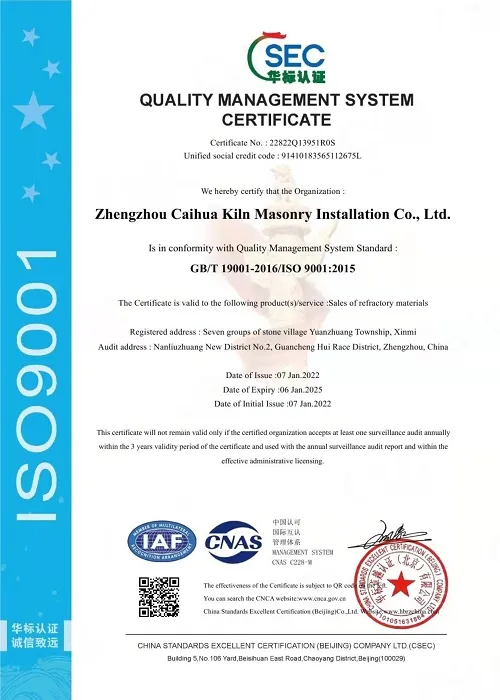
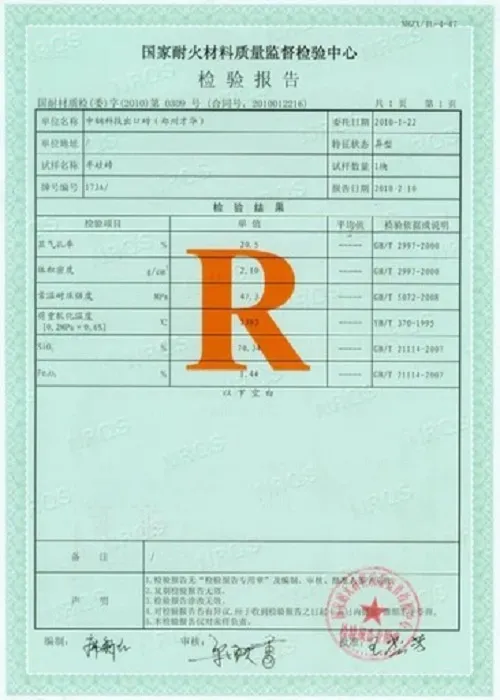
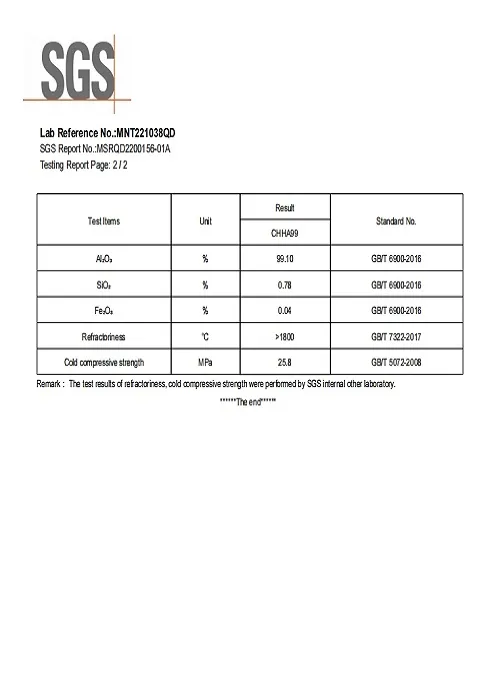
Certificate
FAQ:
Q: What are magnesia carbon bricks?
Q: What are the main components of magnesia carbon bricks?
Q: What are the common applications of magnesia carbon bricks?
Q: How do magnesia carbon bricks differ from other refractory materials?
Q: What are the advantages of using magnesia carbon bricks?
Q: How are magnesia carbon bricks manufactured?
Q: Can magnesia carbon bricks be customized for specific applications?
Q: What are the environmental benefits of using magnesia carbon bricks?
Q: How do magnesia carbon bricks contribute to steel quality?
Q: Can magnesia carbon bricks be used in ladle applications?
Q: What are the safety considerations when working with magnesia carbon bricks?
Q: How do additives in magnesia carbon bricks improve their properties?
Q: Can magnesia carbon bricks be used in ultra-high-temperature applications?
Q: How do antioxidants in magnesia carbon bricks enhance their performance?
Q: What factors influence the selection of magnesia carbon bricks?
Q: Can magnesia carbon bricks be used in contact with molten metal?
Q: How do graphite additions affect the properties of magnesia carbon bricks?
Q: Are there different types of magnesia carbon bricks available?
Q: How should magnesia carbon bricks be installed and maintained?
Q: Can magnesia carbon bricks be recycled or reused?
We're well-known as one of the leading magnesia carbon brick manufacturers in China. Please rest assured to buy customized magnesia carbon brick at competitive price from our factory. Contact us for more cheap products.
refractory fire brick, metallurgical adsorbents, fire brick for replacement