

Refractory Mortar
Refractory mortar is a mix of cement, sand, fireclay and, other specialized ingredients such as calcium aluminate. Fireclay is a set of various clays that can resist heat up to 3,000 degrees Fahrenheit. Just think of this as clay that has special heat resistant properties. Fireclays are used in the construction of fire bricks and are part of the reason fire bricks can withstand such high heat. There are standards that govern whether or not a mortar is refractory or high heat resistant, such as ASTM C-199.
Advantages of Refractory Mortar
High refractoriness
The refractoriness underload of refractory mortar ranges from 1320 to 1600 degrees Celsius. It maintains structural stability at high temperatures.
Strong thermal shock resistance
When subjected to thermal shock in kilns or application equipment, it can maintain a stable structure and resist spalling.
Abrasion resistance
In equipment with high mechanical strength, it has high abrasion and compressive strength.
Strong corrosion resistance
Refractory mortar is not affected by chemical corrosion. It is flexible and easy to apply. It also has a fast setting time.


Why Choose Us
Our factory
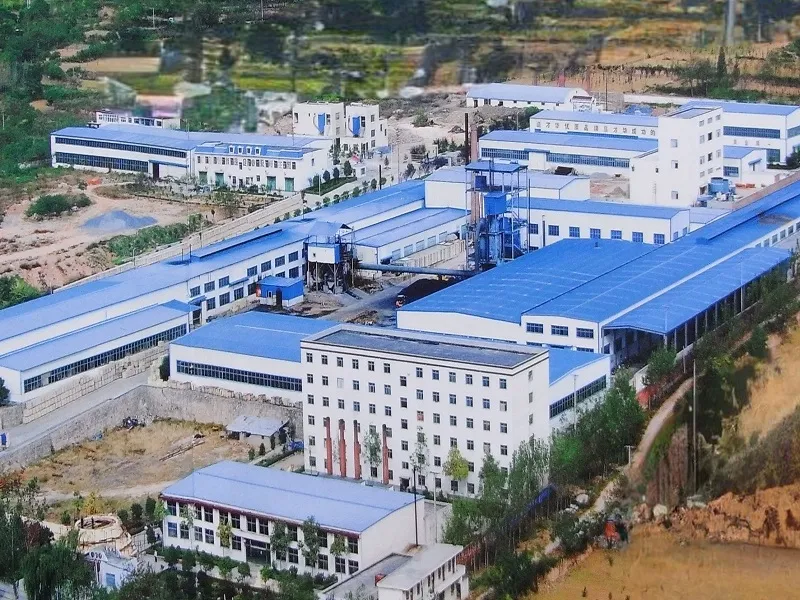
Factory established in 1984, International business department established in 2010, factory with 10000 m2 area.
Advanced equipment
Sets of 1000 tons brick machine, 10 sets of 630 tons brick machine, 2 sets of 180m high temperature tunnel kilns, complete set of physical and chemical index testing equipment.
Our service
Free products design, free technological supporting, free installation guidance, 18 month quality guarantee.
Our product
Ch refractories is professional manufacturer of fire bricks, Mortar, Pre-cast, Pre shape, Insulation products, Castable, Functional Products for Iron & Steel, Cement, Glass, Power & Petrochemical Industries. Moreover, CH REFRACTORIES also manufacturing and exporting refractory cement A600 A700 A900 CA70, Bauxite and other refractories raw material to all of the world.
The difference between Refractory Mortar and Refractory Castables
Refractory mortar and refractory castables are shapeless refractory materials. And commonly used materials for thermal linings、refractory industry. Refractory mortar also called refractory mud or joint material, is composed of refractory powder and admixtures. It is mainly used as a joint material for refractory masonry products. The particle size of refractory mud can be changed according to the use requirements. Its ultimate particle size is generally less than 1mm, and some are less than 0.5mm or finer. When using refractory mortar, the same material as the refractory products for masonry should be used. Almost any refractory material can be made into powder for making refractory clay.
Refractory castables are composed of various refractory aggregate powders as the main raw material, refractory cement as a combination, and adding anti-shrinkage agent, explosion-proof fiber, coagulant and other admixture materials. It has high fluidity and is also used for pouring construction. Become a castable. Suitable for unshaped refractory materials formed by casting. Compared with other unshaped refractory materials, it has higher binder and moisture content, so it has better fluidity.
Refractory mortar can be divided into clay, high alumina, siliceous and magnesia refractory mud according to the material. When laying bricks, refractory mud of the same material is used according to the material of the refractory bricks. If clay bricks are built using clay refractory mud, the refractory mud will be high alumina fire mud is used for building high alumina bricks, magnesia fire mud is used for building magnesia bricks, carbon fire mud is used for building carbon bricks, etc. There are many types of refractory castables. Commonly used ones include high-aluminum castables, corundum castables, low-cement castables, mullite castables, wear-resistant castables, anti-seepage materials, self-flowing castables, plastics, etc.
The characteristics of refractory mortar are: Has good plasticity and is easy to construct high bonding strength and strong corrosion resistance. Refractory castable materials are made from a wide range of materials and are easy to be comprehensively utilized. Convenient construction, low labor intensity, high masonry efficiency, and mechanized furnace construction can be realized;the masonry structure has fewer joints and strong integrity. There are no gaps between castables, and it has high structural strength and resistance to slag penetration.
Refractory mortar is used as joint material for refractory masonry. It is a material that is matched with refractory bricks at any time. It can not only be used as a joint material, but can also be used as a protective coating for the lining by applying or spraying. Refractory castables are joint materials used for building refractory bricks. They are generally used as integral lining products for kilns and as integral lining materials for pouring construction. During on-site construction, the castables and binders need to be pre-mixed, then appropriate water is added, stirred evenly and then poured into the installed lining mold. Vibrated with a vibrating rod to form, after curing, demoulding and baking. It can be put into use. It can be cast and formed, self-flowing, ramming construction, spraying construction, customized castable prefabricated block masonry construction, etc. They have a wide range of applications, and the materials and binders used can be selected according to the conditions of use. It can be directly poured into a lining and used, or it can be made into prefabricated blocks by pouring or shaking.
Types of Refractory Mortar
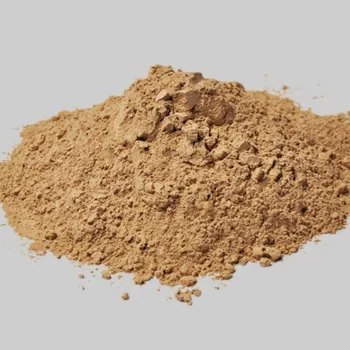
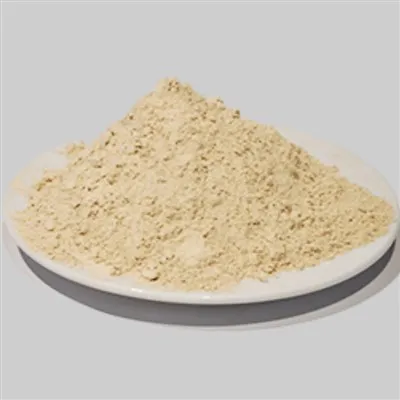
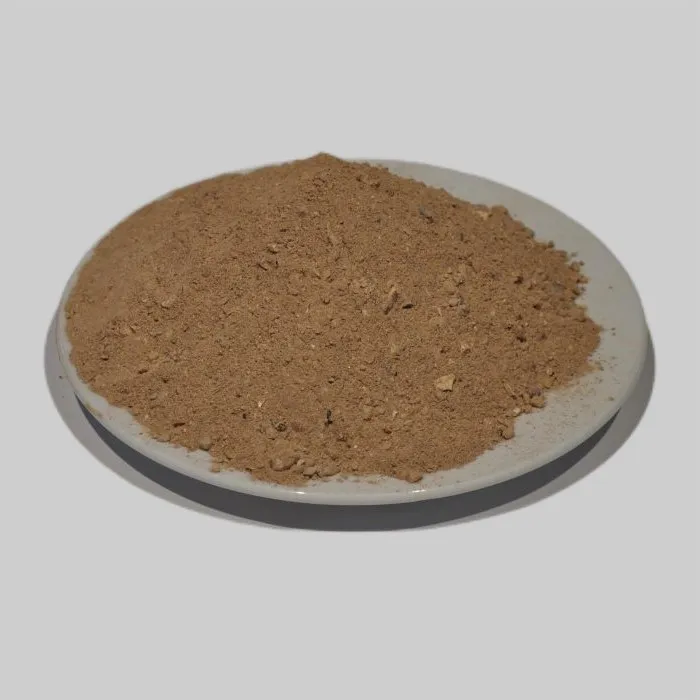
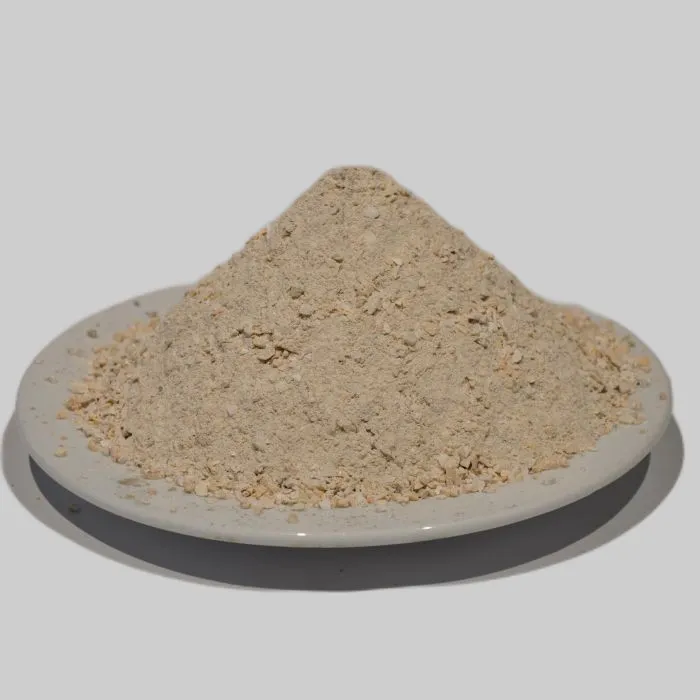
Hydraulic setting mortar
Along with its non-soluble water nature, this is by far the best mortar. It is necessary to combine aggregates and binders for up to six hours. The mortar must be mixed at a high temperature of 1499 degrees celsius.
Fireclay refractory mortars
Fireclay refractory mortar is commonly used for adhesive bonding and repairing blast furnaces, hot coke ovens, absorbing pit furnaces, heat transfer, boilers, as well as other high-quality clay brick industrial furnaces masonries.
Air drying mortar
The air-drying mortar takes longer to dry than its name implies. As a result, it is recommended in hot and dry climates. This combination is also known as premixed refractory mortar including clay, molten silicate, and particles. Its attributes are inferior to those of the former.
High alumina refractory mortars
As the main material, high alumina clinker plays a central role in the production of refractory mortar which is bound with a mild-clay or chemical bond. This material is commonly used as lining for glass furnaces, coke ovens, and hot blast stoves.
Silica refractory mortars
Various industrial furnaces use quartz refractory mortar for the installation and repair of blast furnaces, coke ovens, warm blast stoves, glass melting furnaces, and acid melting furnaces.
Mullite refractory mortar
In steel, non-ferrous metals, and petrochemical plants, mullite refractory mortar is commonly used for repairing and laying mullite bricks, as well as constructing high-temperature furnaces and kilns.
Refractory Mortar for Fireplace and Chimney Construction
This type of refractory mortar is a blend of aggregates and binders that are not only high temperature resistant but are acid resistant as well. This product is now the best all-around refractory mortar for fireplace and chimney construction. It is also the preferred choice for installation of the high temperature resistant component parts for masonry bread ovens. It has the workability of a regular mortar mix, may have mortar color added to it, and is preferred if the joint thickness exceeds 1/8”. Non-water soluble refractory mortar is the only refractory mortar that should be used in outdoor applications. Premixed refractory mortars may wash out even after drying. Due to the previously mentioned characteristics, non-water soluble product is the preferred choice for clay flue installations that may vent gas or oil appliances or in any other instance where moisture may be present within the clay flue. This is our overall refractory mortar of choice. It is used four to one vs. other types of refractory mortar in residential construction.
Premixed refractory mortar is a blend of clays, aggregates, and has a liquid silicate as a binder. Some masons prefer it simply because it is premixed, nothing needs to be added, and with a simple quick stir it is ready to use. Since the firebrick can be laid in place very rapidly installation is a little quicker. Ten seconds after setting the firebrick it takes some effort to dislodge them and the fast drying of the mortar does not compromise its strength like with regular mortar. Premixed mortar can be a little messy to use but remember it is water soluble, so it cleans up easily with water. You should butter a thin layer of refractory mortar on the firebrick that you are going to lay. Use a small margin trowel because it fits in the bucket better than a pointed trowel. After applying a small amount on the firebrick, tap the firebrick in place so that the joint thickness is approximately 1/16″ and the excess mortar that oozes out from between the firebrick is removed with the margin trowel. Take your time and avoid the mess. The best thing is to lay a few firebricks and then clean up the face of the firebrick with a sponge and clean water. The longer you wait to clean up the face of the firebrick, the harder it is to get all the particles saturated and removed. In hot and dry climates we prefer the premixed refractory mortar because it does not seem to dry out as quickly as do other mortar types.
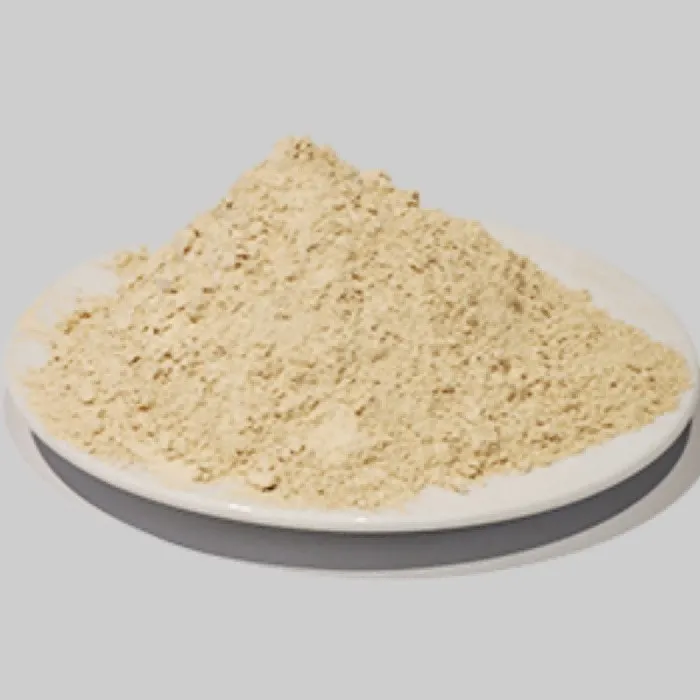
The use of refractory mortar in the construction of masonry kiln flues, kiln tunnels, kiln walls, and fireboxes has significantly aided us in lowering the cost of masonry kilns. Linings can be added as a protective coating by smearing or spraying refractory mortar, also known as fire brick mortar.
Refractory mortar is commonly used in coke ovens, blast furnace hot air furnaces, glass furnaces, and other industrial furnaces due to its excellent thermal exfoliation. At the same time, since almost all refractory raw materials can be ground into a powder and used to make high-temperature mortar, they can be used as refractory brick joint material. That’ s why it’ s known as fire brick mortar. Refractory mortar is used in places where refractory bricks are needed. As a result, refractory mortar is commonly used in thermal engineering equipment in industries such as metallurgy, construction materials, machinery, petrochemicals, glass, boilers, electricity, steel, cement, and others industries.
Tips for the practical usage of refractory mortar. In a high-quality oven, the maximum thickness of refractory mortar is typically 6 mm. If the mortar is thicker than 6 mm, it shrinks, leaving space between the bricks and gradually allowing the bricks to pass. For locations away from the hot face, a mortar thickness of more than 6mm is permitted. Only refractory mortar can be used to keep a brick building solid and secure. It must not be left out in the open on the hot face. Use the relevant code’ s recommendation to determine the number of days between the completion of construction and the exposure of the mortar to high temperatures.
How to Make Refractory Mortar?
Refractory mortar is a specialized type of mortar used for bonding and sealing high-temperature materials in various applications, such as furnaces, kilns, and fireplaces. It is designed to withstand extreme heat and provide excellent adhesion in challenging environments. While commercially prepared refractory mortars are readily available, making your own can be a cost-effective option.
Fire clay is the primary ingredient in refractory mortar. It can withstand high temperatures and provide good adhesion. Approximately 50–60% of the mixture will consist of fire clay. Silica sand helps improve the workability and strength of the mortar. It makes up around 30–40% of the mixture. Lime acts as a binder and plasticizer in the mortar. It contributes to the mortar’ s workability and helps it set. Use about 10–20% of the mixture for lime. Water is necessary to achieve the desired consistency of the refractory mortar. Gather the necessary refractory mortar recipe and ensure a clean and well-ventilated workspace. Measure the fire clay, silica sand, and lime according to the desired proportions. For example, a common ratio is 50% fire clay, 30% silica sand, and 20% lime. Combine the dry ingredients (fire clay, silica sand, and lime) in a large container or wheelbarrow. Mix them thoroughly using a shovel or trowel to ensure a homogenous mixture. Gradually add water to the dry mixture while continuously mixing. Aim for a consistency similar to regular mortar, where the mixture holds its shape when squeezed but is not overly wet. Add water gradually to avoid making the mixture too runny. Continue mixing the refractory mortar until it reaches a smooth and uniform texture. Ensure that all dry ingredients are evenly wetted. Allow the refractory mortar to rest for approximately 10–15 minutes to ensure proper hydration and to achieve optimal workability. After resting, remix the mortar to ensure consistency and break up any lumps that may have formed.
Your homemade refractory mortar is now ready to use. Apply it to the desired surfaces using a trowel or other suitable tools. We also produce soft fire bricks. It is crucial to wear appropriate protective gear, such as gloves and a dust mask when handling the dry ingredients to prevent skin irritation and inhalation of dust particles. The proportions of the ingredients can be adjusted based on specific requirements and desired characteristics of the refractory mortar. Experimentation may be necessary to find the ideal mixture for your application. Refractory mortar should be used within a reasonable time frame, as it can start to harden quickly once water is added. Avoid mixing more mortar than you can use within a short period.
Our Factory
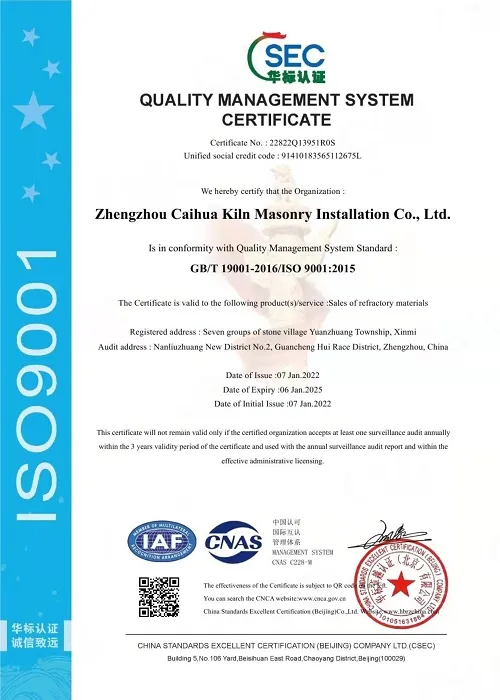
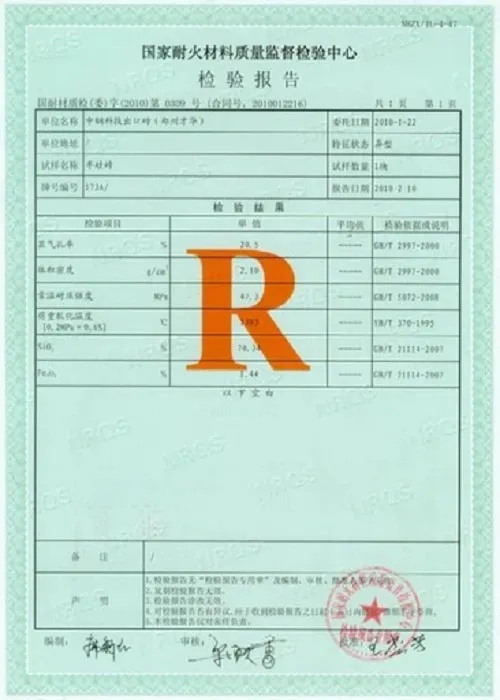
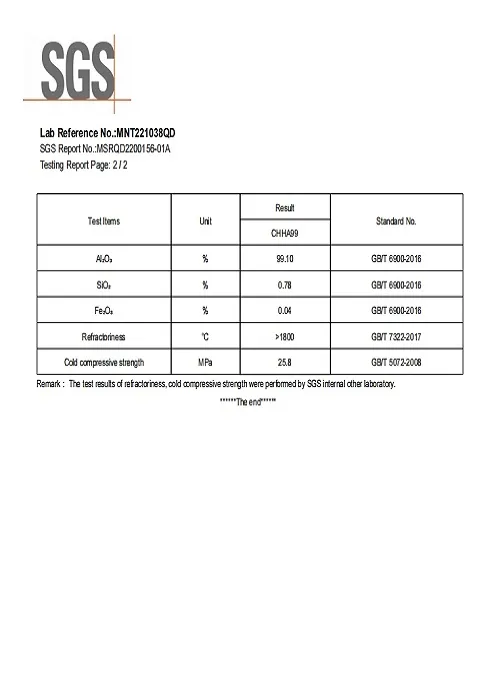
Certificate
FAQ:
Q: What are the main components of refractory mortar?
Q: Can refractory mortar be used in contact with molten metals?
Q: How long does refractory mortar take to cure?
Q: Can refractory mortar be painted or coated?
Q: What are the benefits of using refractory mortar in high-temperature applications?
Q: How do additives in refractory mortar enhance its properties?
Q: Can refractory mortar be used in industrial furnaces and kilns?
Q: Are there different colors of refractory mortar available?
Q: How do insulating refractory mortars differ from regular mortars?
Q: Can refractory mortar be used for chimney repairs?
Q: How do you determine the right type of refractory mortar for a specific application?
Q: Can refractory mortar be used for DIY projects?
Q: How does refractory mortar differ from regular mortar?
Q: What are the different types of refractory mortar available?
Q: How is refractory mortar applied?
Q: Can refractory mortar be used for outdoor applications?
Q: How does refractory mortar withstand high temperatures?
Q: Can refractory mortar be used for repairs?
Q: How should refractory mortar be stored?
Q: Are there health and safety considerations when working with refractory mortar?
We're well-known as one of the leading refractory mortar manufacturers in China. Please rest assured to buy customized refractory mortar at competitive price from our factory. Contact us for more cheap products.
fire brick for foundry, neutral fire brick, fire brick for glass industry