

Metallurgical Auxiliary Materials
Zhengzhou Caihua Kiln Masonry Installation Co.,Ltd. is professional manufacturer of fire bricks, Mortar, Pre-cast, Pre shape, Insulation products, Castable, Functional Products for Iron & Steel, Cement, Glass, Power & Petrochemical Industries. We have many types of metallurgical auxiliary materials, including eaf filling sand, covering agent, drainage agent, refining agent, deoxidant. They are not the primary raw materials like iron ore, but rather supporting materials that aid in various stages of metal manufacturing, such as steelmaking, casting, and refining.


Why Choose Us?
Rich Experience
CH Refractories with 40 years production and 15 years exporting experience to provide customers full supporting.
Professional Team
The company has 120 employees, including 20 professional engineers, who can provide professional product design and technical support.
Advanced Equipment
The company is equipped with two 1000-ton brick machines, ten 630-ton brick machines, two 180-meter high-temperature tunnel kilns, as well as a complete set of equipment for testing physical and chemical properties.
Broad Market
Products are exported to Germany, Korea, Indonesia, Pakistan, Malaysia, Saudi Arabia, Egypt, Russia, Uzbekistan and other countries.
Types of Metallurgical Auxiliary Materials
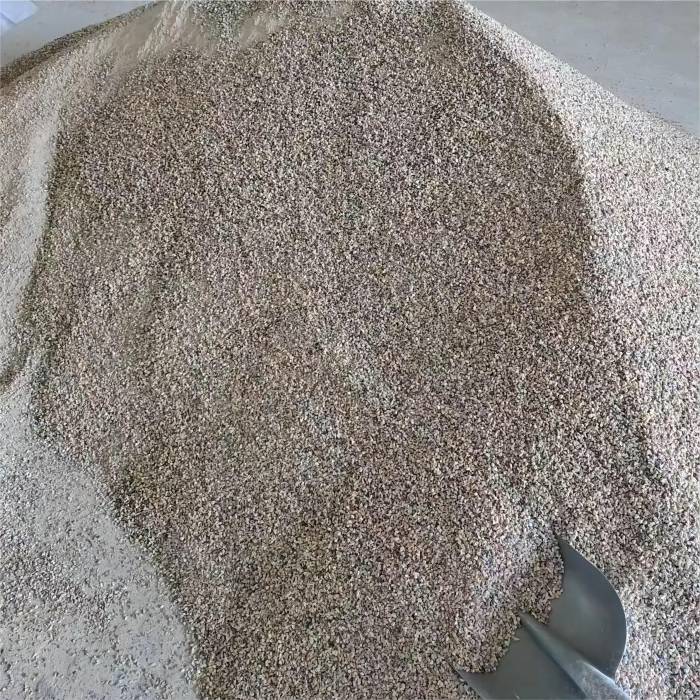
Eaf Filling Sand
The Eaf Filling Sand is a special sand material designed for the electric arc furnace (EAF) smelting process. It is widely use the steel, metallurgy and other industries, mainly for filling the bottom and wal the electric arc furnaces.
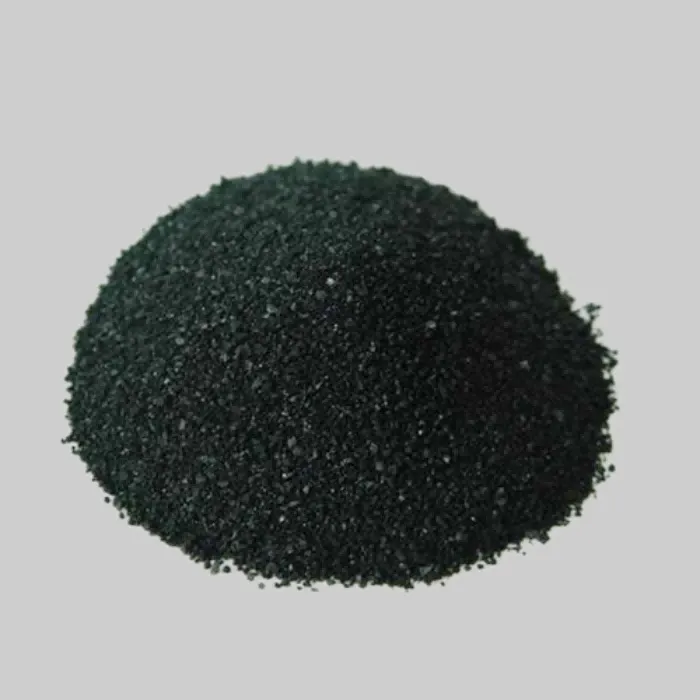
CCM Casting Powder
The CCM Casting Powder is a key material used to cover the surface of molten steel in the continuous casting (CCM) process. Its main function is to form a uniform protective film to prevent molten steel from contacting with air, reduce oxid,ation and improve casting quality.
Drainage Agent
Drainage Agent is chemicals or materials used to enhance soil drainage, prevent waterlogging, and improve water flow through soil or other materials.
Refining Agent
It is made by melting a variety of materials at high temperature in an electric furnace to produce aluminate minerals mainly 7AIO and 12CaO, with a content of more than 90% and an activity coefficient greater than 70.
Specifications of Metallurgical Auxiliary Materials
|
Brand Item |
SiO₂% |
Ca0% |
A1₂0₃% |
MgO% |
F% |
Moisture % |
Size, mm |
|
JL-Ⅰ |
≤4 |
46-54 |
30-36 |
2-4 |
1-3 |
≤0.5 |
0-30 |
|
JL-Ⅱ |
≤6 |
40-50 |
25-35 |
2-8 |
<2 |
≤0.5 |
0-30 |
Features of Metallurgical Auxiliary Materials
100% of the raw materials that make up this product have deoxidation function and can be deoxidized in various ways. However, only part of the materials of steel core aluminum have deoxidation ability and the deoxidation method is single.
This product has ingredients with stronger deoxidizing ability than metallic aluminum, and the deoxidizing effect is stronger than that of steel core aluminum.
Since the raw materials of this product are 100% deoxidizing, the dosage is less than that of steel core aluminum with the same aluminum content, generally 0.4~0.9kg/t steel.
The use of this product can reduce or eliminate materials such as steel core aluminum, brick calcium, silicon carbide, etc., significantly reducing costs.
After using this product for deoxidation, a large amount of deoxidation products can be adsorbed, and there is no need to use a molten steel purifier.
It can simplify the steelmaking process and reduce steelmaking costs.
Usage Methods of Metallurgical Auxiliary Materials
- In order to ensure good slag lifting, the slag must be blocked during tapping. If the slag blocking is not good, aluminum should be added for deoxidation when there is too much slag in the bag.
- In order to ensure good S removal effect, there must be sufficient reaction surface and reaction time, and it should be added continuously during tapping.
- The cooling of molten steel caused by the addition of desulfurizer is generally 1~2℃ for 1kg/t steel.
Storage Requirements of Metallurgical Auxiliary Materials
Avoid moisture: Deoxidizers are very sensitive to moisture. Once they absorb moisture, they lose the ability to absorb oxygen. Therefore, when storing deoxidizers, care should be taken to avoid moisture, and it is best to place the deoxidizer in a sealed container.
Avoid high temperature: High temperature will accelerate the adsorption process of the deoxidizer, thereby reducing its service life. Therefore, when storing deoxidizers, high temperature environments should be avoided, and it is best to place them in a cool and dry place.
Avoid contact with other chemicals: Deoxidizers are reactive to certain chemicals, so they should be avoided from contact with other chemicals during storage to avoid affecting their adsorption capacity.
Pay attention to the expiration date: The service life of deoxidizers is usually 6 months to 1 year, so you need to check its expiration date before use to avoid using expired deoxidizers.
Dry and well-ventilated storage environment: The deoxidizer should be stored in a dry and well-ventilated place, and should not be stored together with toxic, harmful, odorous, volatile, and corrosive items.
Use as soon as possible: The deoxidizer should be used as soon as possible after opening the package, and should not be exposed to the air for more than two hours, otherwise its oxygen absorption capacity will be reduced. The unused deoxidizer should be discharged from the bag and resealed for storage.
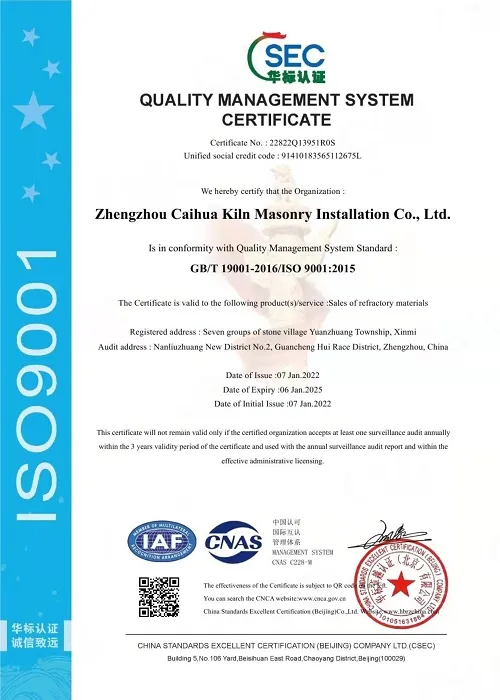
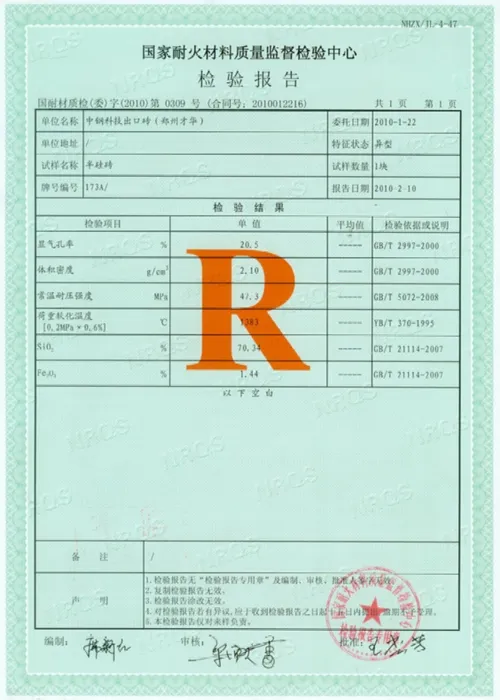
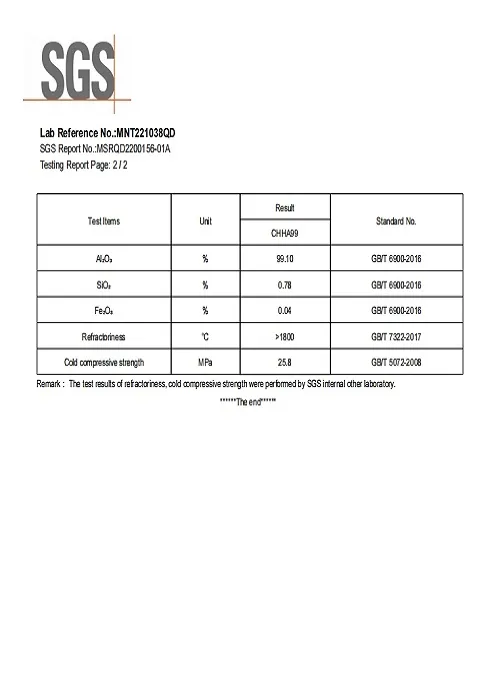
Certificate
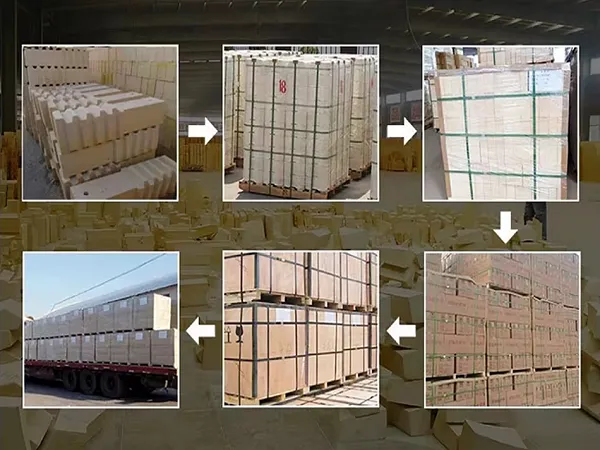
Packaging & Shipping

We're well-known as one of the leading metallurgical auxiliary materials manufacturers in China. Please rest assured to buy customized metallurgical auxiliary materials at competitive price from our factory. Contact us for more cheap products.
metallurgical coagulants, metallurgical poisons, metallurgical mould release agents