

Can fire bricks be used in a non - ferrous metal smelting furnace?
As a fire brick supplier, I often encounter inquiries regarding the suitability of fire bricks for various industrial applications, especially in non - ferrous metal smelting furnaces. Non - ferrous metals, such as copper, aluminum, zinc, and lead, have unique smelting requirements due to their different melting points, chemical properties, and reaction behaviors. In this blog, we will explore whether fire bricks can be effectively used in non - ferrous metal smelting furnaces and the key factors to consider.
Understanding the Requirements of Non - Ferrous Metal Smelting Furnaces
Non - ferrous metal smelting involves heating the raw materials to high temperatures to separate the metal from its ore. The process typically occurs at temperatures ranging from several hundred degrees Celsius to over 1500°C, depending on the specific metal being smelted. For example, aluminum smelting usually takes place at around 950 - 980°C, while copper smelting can reach temperatures of 1100 - 1300°C.
In addition to high temperatures, non - ferrous metal smelting furnaces are also exposed to corrosive substances. The molten metals, slag, and gases produced during the smelting process can react with the furnace lining, causing chemical erosion and mechanical wear. Therefore, the furnace lining material must have excellent thermal stability, chemical resistance, and mechanical strength to withstand these harsh conditions.
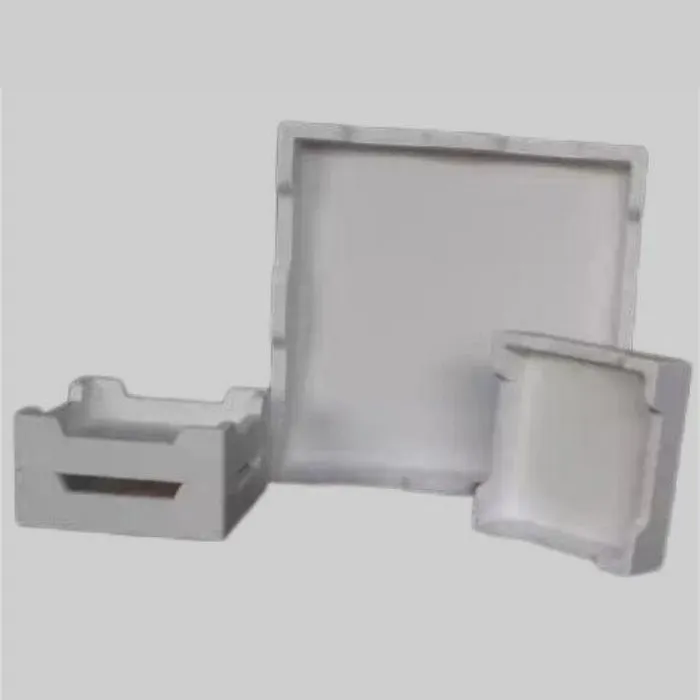
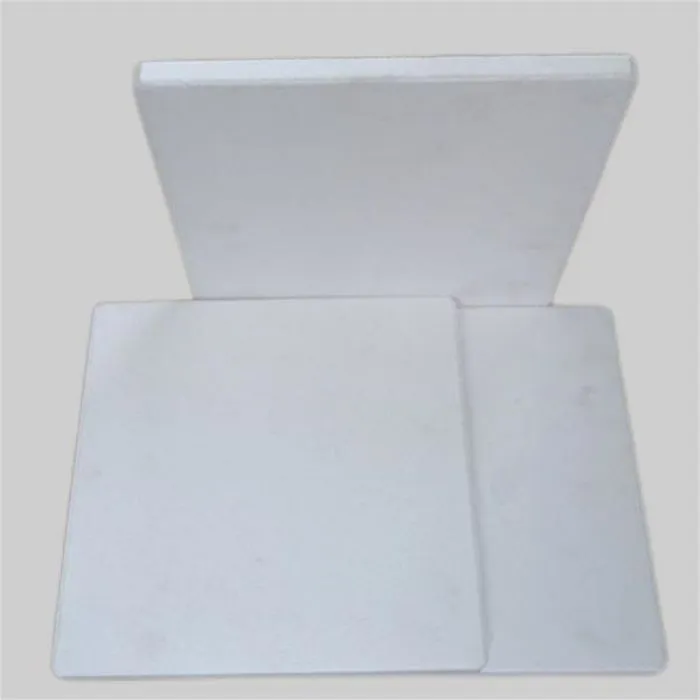
Properties of Fire Bricks
Fire bricks are refractory materials designed to withstand high temperatures and resist chemical attack. They are made from various raw materials, such as clay, alumina, silica, and magnesia, and are fired at high temperatures to form a dense and stable structure.
One of the key properties of fire bricks is their high melting point. Most fire bricks can withstand temperatures above 1500°C, which makes them suitable for use in high - temperature industrial furnaces. Additionally, fire bricks have low thermal conductivity, which helps to reduce heat loss from the furnace and improve energy efficiency.
Fire bricks also exhibit good chemical resistance. They can resist the attack of molten metals, slag, and gases to a certain extent. However, the chemical resistance of fire bricks depends on their composition and the specific corrosive substances they are exposed to. For example, fire bricks containing high levels of alumina are more resistant to acidic slags, while those containing magnesia are more suitable for use in alkaline environments.
Using Fire Bricks in Non - Ferrous Metal Smelting Furnaces
The answer to whether fire bricks can be used in non - ferrous metal smelting furnaces is yes, but with some considerations. Different types of fire bricks are suitable for different non - ferrous metal smelting processes.
1. Clay Fire Bricks
Clay fire bricks are the most common type of fire bricks. They are made from natural clay and have a relatively low cost. Clay fire bricks have good thermal insulation properties and can withstand temperatures up to 1300 - 1400°C. They are often used in the less critical parts of non - ferrous metal smelting furnaces, such as the outer lining or the areas with lower temperature requirements.
2. High - Alumina Fire Bricks
High - alumina fire bricks contain a higher percentage of alumina (usually 48% - 90%) than clay fire bricks. They have higher melting points, better thermal stability, and stronger chemical resistance. High - alumina fire bricks are suitable for use in the more critical parts of non - ferrous metal smelting furnaces, such as the hearth and the sidewalls, where they are exposed to higher temperatures and more corrosive substances.
3. Specialized Fire Bricks
In addition to clay and high - alumina fire bricks, there are also some specialized fire bricks available for non - ferrous metal smelting furnaces. For example, Zircon Refractory Bricks have excellent thermal shock resistance and chemical stability. They are often used in areas where the furnace is subjected to rapid temperature changes, such as the charging and discharging zones.
Corundum Mullite Brick is another type of specialized fire brick. It combines the high strength and thermal stability of corundum with the good thermal shock resistance of mullite. Corundum mullite bricks are suitable for use in high - temperature non - ferrous metal smelting furnaces, especially those for copper and nickel smelting.
Corundum Brick is made from high - purity corundum and has extremely high hardness and wear resistance. It is often used in areas where the furnace is exposed to severe mechanical wear, such as the tuyere area.
Factors to Consider When Using Fire Bricks in Non - Ferrous Metal Smelting Furnaces
When selecting fire bricks for non - ferrous metal smelting furnaces, several factors need to be considered:
1. Temperature Requirements
The first factor to consider is the maximum temperature in the furnace. Different types of fire bricks have different temperature limits, and the selected fire bricks must be able to withstand the highest temperature reached during the smelting process.
2. Chemical Environment
The chemical composition of the molten metals, slag, and gases in the furnace also affects the choice of fire bricks. As mentioned earlier, different fire bricks have different chemical resistances, and the selected fire bricks should be compatible with the specific corrosive substances in the furnace.
3. Mechanical Stress
The furnace lining is also subjected to mechanical stress, such as thermal expansion and contraction, and the impact of charging and discharging materials. Therefore, the fire bricks should have sufficient mechanical strength and thermal shock resistance to withstand these stresses.
4. Installation and Maintenance
Proper installation and maintenance are crucial for the performance and service life of fire bricks. The fire bricks should be installed correctly to ensure a tight and uniform lining. Regular inspection and maintenance should also be carried out to detect and repair any damage or wear in a timely manner.
Conclusion
In conclusion, fire bricks can be effectively used in non - ferrous metal smelting furnaces. They offer high - temperature resistance, chemical stability, and mechanical strength, which are essential for the operation of these furnaces. However, the selection of fire bricks should be based on the specific requirements of the non - ferrous metal smelting process, including temperature, chemical environment, and mechanical stress.
As a fire brick supplier, we have a wide range of fire bricks available to meet the diverse needs of non - ferrous metal smelting furnaces. Our technical team can provide professional advice on the selection, installation, and maintenance of fire bricks to ensure the optimal performance and long - term reliability of your furnace. If you are interested in our fire bricks or need more information, please feel free to contact us for procurement negotiations.
References
- "Refractories Handbook" by John N. Harris
- "Industrial Furnaces: Principles, Design, and Operation" by J. Szekely and N. J. Themelis