

Hey there! As a raw material supplier, I've seen firsthand how crucial it is to select the right raw materials for a product. It can make or break your project, affecting everything from the quality and performance of your end product to your bottom line. In this blog post, I'll share some tips and insights on how to choose the best raw materials for your specific needs.
Understanding Your Product Requirements
The first step in selecting the right raw materials is to have a clear understanding of your product requirements. What are the key features and performance characteristics that your product needs to have? For example, if you're manufacturing a high-temperature refractory product, you'll need raw materials that can withstand extreme heat and have excellent thermal stability. On the other hand, if you're making a consumer product like a smartphone case, you might prioritize materials that are lightweight, durable, and aesthetically pleasing.
Consider the following factors when defining your product requirements:
- Functionality: What is the primary function of your product? What tasks does it need to perform?
- Performance: What are the performance standards and specifications that your product must meet? This could include things like strength, durability, flexibility, or chemical resistance.
- Quality: What level of quality do you want to achieve for your product? This might involve factors such as appearance, finish, and consistency.
- Cost: How much are you willing to spend on raw materials? Balancing cost with quality and performance is often a key consideration.
- Regulatory Requirements: Are there any industry standards or regulations that your product must comply with? Make sure to choose raw materials that meet these requirements.
Researching Raw Material Options
Once you have a clear understanding of your product requirements, it's time to start researching raw material options. There are many different types of raw materials available, each with its own unique properties and characteristics. Some common types of raw materials include metals, plastics, ceramics, and composites.
Here are some ways to research raw material options:
- Online Resources: The internet is a great place to start your research. You can find information about different types of raw materials, their properties, and their applications. Check out industry websites, supplier websites, and online forums to learn more.
- Trade Shows and Conferences: Attending trade shows and conferences related to your industry is a great way to network with suppliers and learn about the latest raw material options. You can see product demonstrations, talk to experts, and get hands-on experience with different materials.
- Supplier Catalogs and Brochures: Many raw material suppliers offer catalogs and brochures that provide detailed information about their products. Request these materials from suppliers to learn more about their offerings.
- Industry Publications: Subscribe to industry publications and magazines to stay up-to-date on the latest trends and developments in raw materials. These publications often feature articles and case studies that can provide valuable insights.
Evaluating Raw Material Suppliers
Once you've identified some potential raw material options, it's important to evaluate the suppliers who offer these materials. Choosing the right supplier is just as important as choosing the right raw materials themselves. A reliable supplier can provide you with high-quality materials, excellent customer service, and competitive pricing.
Here are some factors to consider when evaluating raw material suppliers:
- Quality Assurance: Does the supplier have a quality assurance program in place to ensure that their raw materials meet your specifications? Look for suppliers who have certifications such as ISO 9001, which demonstrate their commitment to quality.
- Reliability and Delivery: Can the supplier consistently deliver the raw materials you need on time? Check their track record for on-time delivery and their ability to handle large orders.
- Customer Service: How responsive is the supplier to your inquiries and concerns? Do they provide good customer service and support?
- Pricing and Terms: Compare the pricing and terms offered by different suppliers to ensure that you're getting the best value for your money. Consider factors such as minimum order quantities, payment terms, and shipping costs.
- Technical Support: Does the supplier offer technical support and assistance? This can be especially important if you're using new or complex raw materials.
Considering Specific Raw Materials
Let's take a closer look at some specific raw materials that you might consider for your product:
High Alumina Refractory Cement
High Alumina Refractory Cement is a type of cement that is specifically designed for use in high-temperature applications. It has excellent thermal stability and can withstand temperatures up to 1800°C. This makes it ideal for use in industries such as steelmaking, glass manufacturing, and ceramics production.
High Purity Calcined Bauxite
High Purity Calcined Bauxite is a high-quality raw material that is used in a variety of applications, including refractories, abrasives, and ceramics. It has a high alumina content and excellent chemical and physical properties, making it a popular choice for many industries.
Synthetic Cordierite
Synthetic Cordierite is a ceramic material that has low thermal expansion and excellent thermal shock resistance. It is often used in applications where high temperature stability and resistance to thermal cycling are required, such as in automotive catalytic converters and industrial furnaces.
Conducting Trials and Testing
Before making a final decision on which raw materials to use, it's a good idea to conduct trials and testing. This will allow you to evaluate the performance of the raw materials in your specific application and ensure that they meet your requirements.
Here are some steps to follow when conducting trials and testing:
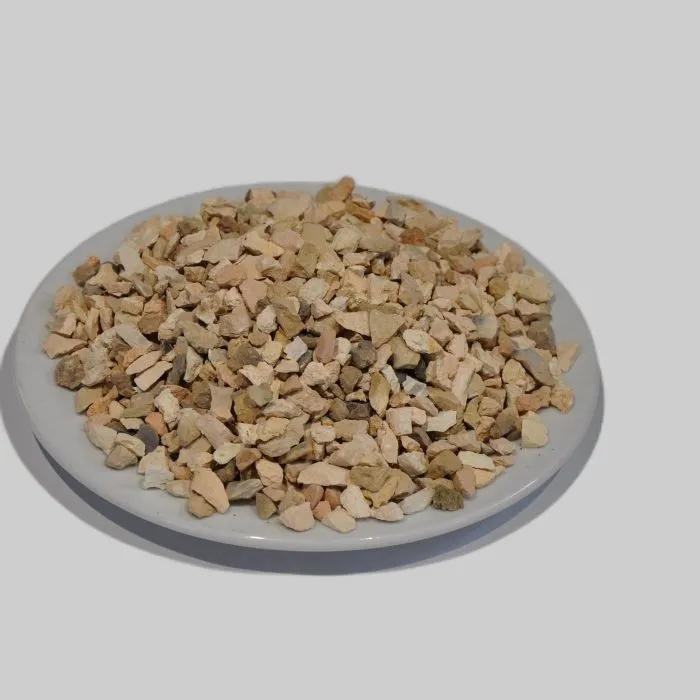
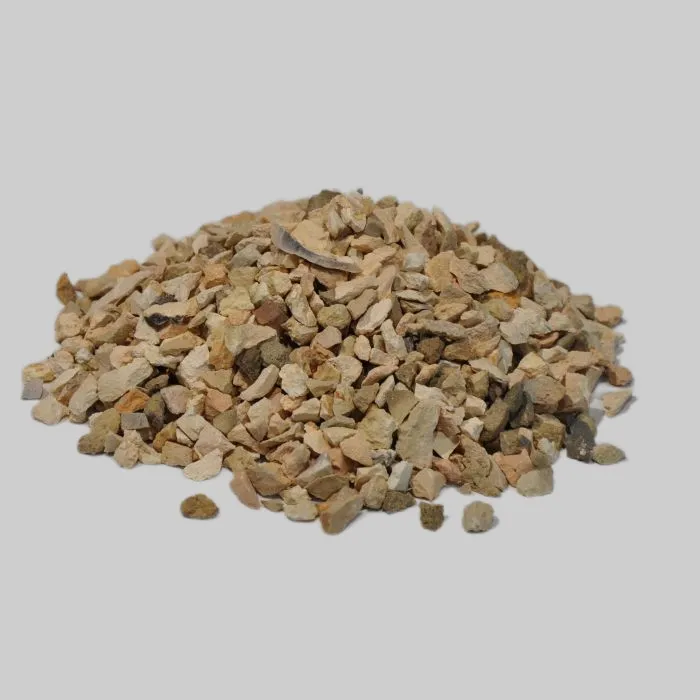
- Prepare Samples: Obtain samples of the raw materials from the suppliers and prepare them for testing. Make sure to follow the supplier's instructions for handling and preparing the samples.
- Set Up Testing Equipment: Use appropriate testing equipment to evaluate the performance of the raw materials. This could include things like strength testers, thermal analyzers, or chemical analysis equipment.
- Conduct Tests: Perform a series of tests on the samples to evaluate their performance. This could include tests for strength, durability, thermal stability, or chemical resistance.
- Analyze Results: Analyze the test results to determine whether the raw materials meet your requirements. Compare the results of different materials to identify the best option for your product.
- Make a Decision: Based on the test results, make a decision on which raw materials to use for your product. Consider factors such as performance, cost, and availability when making your decision.
Conclusion
Selecting the right raw materials for a product is a critical step in the manufacturing process. By understanding your product requirements, researching raw material options, evaluating suppliers, and conducting trials and testing, you can ensure that you choose the best raw materials for your specific needs.
If you're in the market for high-quality raw materials, I'd love to help. As a raw material supplier, I have a wide range of products available, including High Alumina Refractory Cement, High Purity Calcined Bauxite, and Synthetic Cordierite. Contact me today to discuss your requirements and learn more about how I can help you select the right raw materials for your product.
References
- ASTM International. (2023). ASTM Standards for Materials Testing.
- ASM International. (2023). Metals Handbook: Properties and Selection.
- Ceramic Industry Association. (2023). Ceramic Materials and Applications.