

Hey there! As a supplier of refractory mortar, I often get asked a bunch of questions about where our products can be used. One question that pops up quite a bit is, "Can refractory mortar be used in a copper smelting furnace?" Well, let's dive right into it and find out.
First off, let's talk a bit about what copper smelting furnaces are all about. These furnaces are no joke. They operate at extremely high temperatures, usually between 1,100°C and 1,300°C (that's 2,012°F to 2,372°F for those of you who like Fahrenheit). And it's not just the heat; there are also chemical reactions going on inside, with all sorts of molten metals and slag. So, any material used in these furnaces has to be tough as nails.
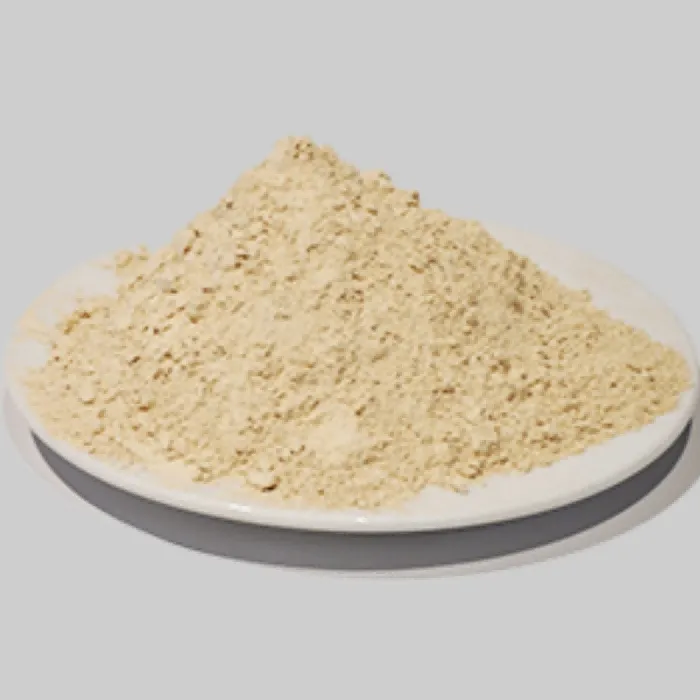
Now, what is refractory mortar? Refractory mortar is a special type of mortar designed to withstand high temperatures. It's made from materials like fire clay, alumina, and silica, which can handle the heat without breaking down. There are different types of refractory mortar, each with its own unique properties. For example, Firebrick Mortar Mix is great for general-purpose high - temperature applications. It's easy to work with and provides good adhesion between firebricks.
Refractory Fire Clay Mortar is another option. It's made mainly from fire clay, which gives it excellent thermal shock resistance. This means it can handle sudden changes in temperature without cracking, which is super important in a copper smelting furnace where the temperature can fluctuate during the smelting process.
Castable Refractory Mortar is a bit different. It comes in a dry mix that you can mix with water and pour or cast into place. This is useful for filling in gaps or creating custom shapes in the furnace lining.
So, can refractory mortar be used in a copper smelting furnace? The short answer is yes, but there are some things to consider.
Temperature Resistance
As I mentioned earlier, copper smelting furnaces get really hot. The refractory mortar you choose has to be able to handle these high temperatures without losing its strength or integrity. Most of our refractory mortars are rated to withstand temperatures well above what's typically seen in a copper smelting furnace. But it's always a good idea to double - check the temperature rating of the specific mortar you're thinking about using.
Chemical Resistance
In a copper smelting furnace, there are all sorts of chemicals floating around. Molten copper, slag, and various fluxes can react with the refractory mortar. You need a mortar that is chemically resistant to these substances. Some of our refractory mortars are formulated with special additives to make them more resistant to chemical attack. This helps to extend the life of the furnace lining and prevent premature failure.
Thermal Shock Resistance
The smelting process in a copper furnace isn't a steady - state operation. There are times when the furnace is heated up quickly and times when it's cooled down. This can cause thermal shock, which can lead to cracking in the refractory lining. That's where refractory mortars with good thermal shock resistance, like the Refractory Fire Clay Mortar, come in handy. They can expand and contract with the temperature changes without breaking.
Installation
Proper installation is crucial when using refractory mortar in a copper smelting furnace. The mortar needs to be mixed correctly according to the manufacturer's instructions. If it's not mixed properly, it may not have the right consistency or strength. Also, the application method is important. Whether you're using a trowel to apply Firebrick Mortar Mix between firebricks or casting Castable Refractory Mortar into place, following the correct installation procedures will ensure a good, long - lasting bond.
Maintenance
Even with the right refractory mortar and proper installation, some maintenance is still required. Over time, the mortar may start to wear down due to the extreme conditions in the furnace. Regular inspections can help you catch any signs of wear or damage early on. If you notice any cracks or loose mortar, it's important to address them right away to prevent further problems.
In conclusion, refractory mortar can definitely be used in a copper smelting furnace. But you need to choose the right type of mortar based on the specific requirements of your furnace, including temperature, chemical environment, and thermal shock. At our company, we have a wide range of refractory mortars to meet your needs. Whether you're looking for a general - purpose Firebrick Mortar Mix, a chemically resistant mortar, or one with excellent thermal shock resistance like Refractory Fire Clay Mortar, we've got you covered.
If you're in the market for refractory mortar for your copper smelting furnace, or if you have any questions about our products, don't hesitate to reach out. We're here to help you make the right choice and ensure the success of your smelting operations. Let's start a conversation and see how we can work together to keep your furnace running smoothly.
References
- ASTM International. "Standard Test Methods for Chemical Analysis of Fireclay and High - Alumina Refractory Products and Materials." ASTM C28 - 18.
- Perry, R. H., & Green, D. W. (Eds.). "Perry's Chemical Engineers' Handbook." McGraw - Hill Education.