

Can sk34 firebrick be used in glass furnaces? This is a question that many glass manufacturers and furnace operators often ask. As a supplier of sk34 firebricks, I'm here to provide a comprehensive analysis of this topic.
Understanding sk34 Firebrick
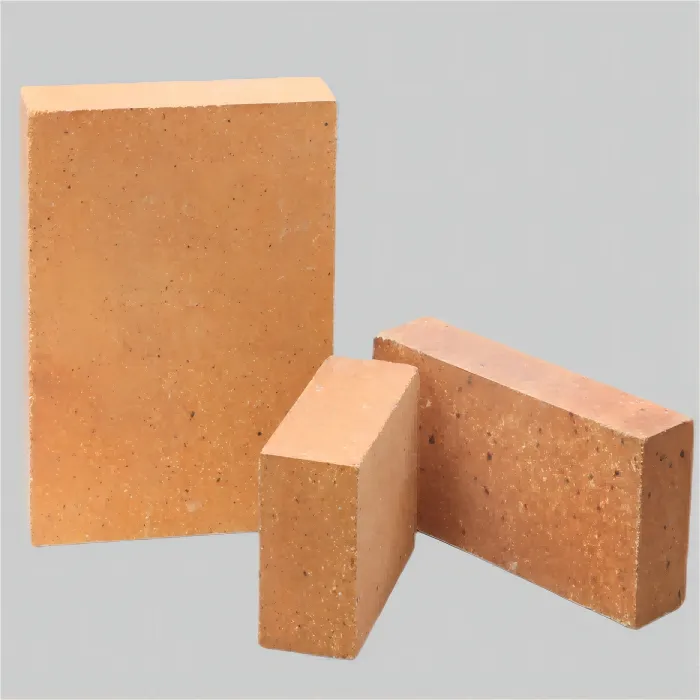
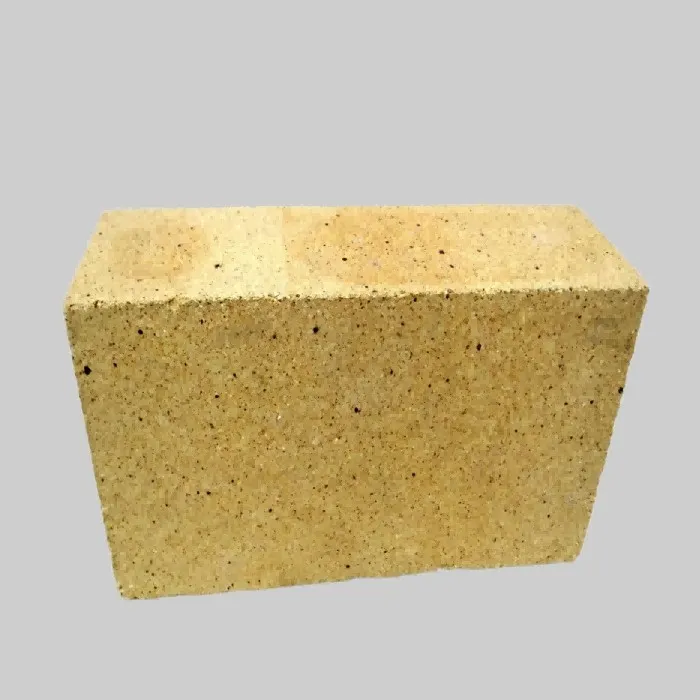
Sk34 firebrick is a type of high - quality refractory brick. It is mainly composed of alumina and silica, with an alumina content typically around 34%. This composition gives sk34 firebrick several important properties. Firstly, it has excellent thermal stability. It can withstand high temperatures without significant deformation or melting, which is crucial in high - temperature industrial applications. Secondly, it has good resistance to chemical corrosion. In industrial environments, various chemical substances may be present, and sk34 firebrick can resist the erosion of many of these substances.
The physical structure of sk34 firebrick is also well - designed. It has a dense texture, which reduces the penetration of hot gases and molten materials. This helps to maintain the integrity of the furnace lining and prolongs the service life of the refractory material.
Requirements of Glass Furnaces
Glass furnaces operate under extremely harsh conditions. The temperature inside a glass furnace can reach up to 1500 - 1700°C, depending on the type of glass being produced. In addition to high temperatures, glass furnaces also deal with molten glass, which is highly corrosive. Different types of glass, such as soda - lime glass, borosilicate glass, and lead glass, have different chemical compositions, and all of them can react with the furnace lining materials.
Another important factor is the thermal cycling. Glass furnaces are often started up and shut down periodically for maintenance or production changes. This causes thermal expansion and contraction of the furnace lining, which can lead to cracking and spalling of the refractory bricks if they do not have good thermal shock resistance.
Suitability of sk34 Firebrick for Glass Furnaces
Temperature Resistance
Sk34 firebrick has a high refractoriness, which means it can withstand high temperatures. The refractoriness of sk34 firebrick is usually above 1600°C, which is sufficient for most glass - making processes. However, in some special glass - making operations where extremely high temperatures are required, such as the production of some high - purity optical glasses, the temperature may exceed the long - term service temperature limit of sk34 firebrick. In such cases, more advanced refractory materials may be needed.
Chemical Resistance
The chemical resistance of sk34 firebrick is relatively good. The alumina and silica in the brick can form a stable structure that resists the corrosion of molten glass. However, the effectiveness of this resistance depends on the type of glass. For example, in the presence of alkaline - rich glasses, the silica in sk34 firebrick may react with the alkalis, leading to the degradation of the brick. Therefore, in glass furnaces producing alkaline - rich glasses, special attention should be paid to the selection of refractory materials.
Thermal Shock Resistance
Sk34 firebrick has a certain degree of thermal shock resistance. Its dense structure and appropriate chemical composition allow it to withstand a certain number of thermal cycles without severe damage. However, compared with some specialized refractory materials designed specifically for high - thermal - shock applications, sk34 firebrick may have limitations. In glass furnaces with frequent start - up and shut - down cycles, additional measures may be needed to protect the sk34 firebrick lining, such as using proper insulation materials to reduce the temperature gradient.
Advantages of Using sk34 Firebrick in Glass Furnaces
Cost - effectiveness
One of the main advantages of sk34 firebrick is its cost - effectiveness. Compared with some high - performance refractory materials, sk34 firebrick is relatively inexpensive. This makes it an attractive option for glass manufacturers who want to control their production costs without sacrificing too much in terms of performance.
Availability
Sk34 firebrick is widely available in the market. As a supplier, I can ensure a stable supply of sk34 firebrick to meet the needs of glass furnace operators. This reduces the risk of production interruptions due to material shortages.
Limitations and Considerations
Limited Service Life
In some harsh glass - making environments, the service life of sk34 firebrick may be relatively short. The chemical corrosion and thermal cycling can gradually damage the brick, leading to the need for more frequent replacements. This can increase the overall maintenance cost of the glass furnace.
Compatibility with Other Refractory Materials
When using sk34 firebrick in a glass furnace, it is important to consider its compatibility with other refractory materials. In a furnace lining, different types of refractory bricks may be used in different zones. If the expansion coefficients and chemical properties of these materials are not compatible, it can lead to joint failure and premature lining damage.
Related Products
If you are interested in other types of refractory bricks, we also offer Clay Bricks for Fireplace, Thin Refractory Brick, and High Temp Bricks. These products have their own unique properties and can be used in different applications.
Conclusion
In conclusion, sk34 firebrick can be used in glass furnaces, but its suitability depends on various factors such as the type of glass being produced, the operating temperature, and the thermal cycling frequency. It offers a cost - effective and widely available option for many glass - making operations, but it also has some limitations.
If you are a glass manufacturer or a furnace operator and are considering using sk34 firebrick in your glass furnace, I encourage you to contact me for more detailed information and professional advice. We can discuss your specific requirements and help you make the best decision for your production.
References
- "Refractories Handbook" by John Smith
- "Glass Furnace Technology" by David Brown
- Industry reports on refractory materials for glass furnaces