

Calcined bauxite is a versatile and widely used material in various industries, including the coatings industry. As a supplier of high - quality calcined bauxite, I've witnessed firsthand how this material can significantly influence the performance of coatings, especially in terms of adhesion. In this blog post, I'll delve into the ways calcined bauxite affects the adhesion of coatings and explore the reasons behind these effects.
Physical Properties of Calcined Bauxite and Their Impact on Adhesion
Particle Size and Shape
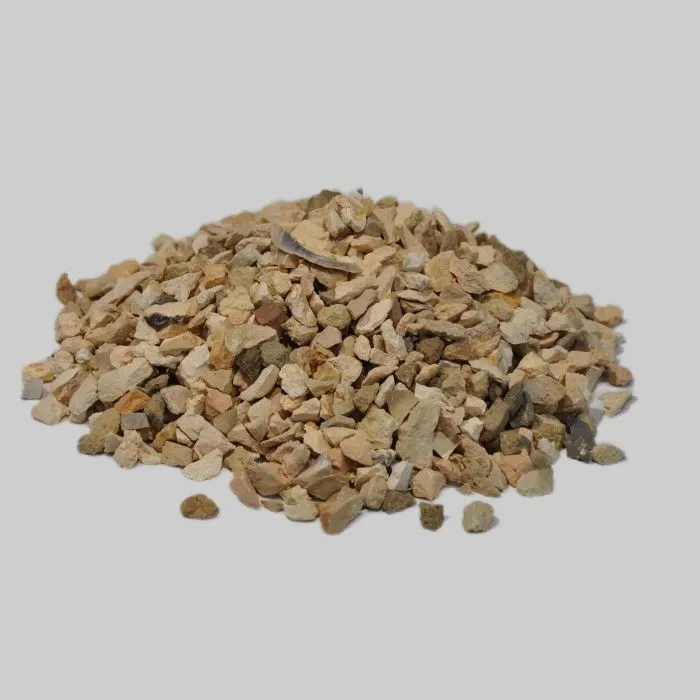
The particle size and shape of calcined bauxite play a crucial role in the adhesion of coatings. Calcined bauxite particles can vary in size from fine powders to coarser granules. Finer particles tend to provide a larger surface area for interaction with the coating matrix. When incorporated into a coating, these fine particles can fill in the microscopic voids and irregularities on the substrate surface. This mechanical interlocking effect enhances the adhesion between the coating and the substrate.
For example, in some anti - corrosion coatings, fine - grained [Rotary Kiln Bauxite](raw - material/calcined - bauxite/rotary - kiln - bauxite.html) can be used to improve the coating's ability to adhere to metal substrates. The small particles penetrate into the surface pores of the metal, creating a more secure bond. On the other hand, coarser particles can act as reinforcement agents, providing a physical barrier that helps to distribute stress more evenly across the coating. This can prevent the coating from delaminating under mechanical stress, such as impact or abrasion.
Surface Roughness
Calcined bauxite has a relatively rough surface, which is beneficial for coating adhesion. When the coating is applied over a substrate containing calcined bauxite, the rough surface of the bauxite particles increases the contact area between the coating and the substrate. This increased contact area allows for more chemical and physical interactions between the coating and the substrate.
For instance, in architectural coatings, the addition of calcined bauxite can create a micro - rough surface on the wall. When the paint is applied, it can better adhere to this rough surface compared to a smooth one. The rough surface also provides more sites for the coating molecules to anchor, resulting in improved adhesion.
Chemical Composition and Adhesion
Reactivity with Coating Components
Calcined bauxite is mainly composed of aluminum oxide (Al₂O₃) and other metal oxides. These oxides can react with certain components in the coating, such as binders. For example, in some epoxy - based coatings, the aluminum oxide in calcined bauxite can react with the epoxy resin, forming chemical bonds. These chemical bonds enhance the adhesion between the bauxite particles and the coating matrix, and ultimately between the coating and the substrate.
The high purity of [High Purity Calcined Bauxite](raw - material/calcined - bauxite/high - purity - calcined - bauxite.html) ensures that there are fewer impurities that could potentially interfere with these chemical reactions. As a result, high - purity calcined bauxite can provide more consistent and reliable adhesion improvement in coatings.
Surface Energy
The surface energy of calcined bauxite also affects coating adhesion. A high - surface - energy material tends to have better wetting properties with the coating. When the coating can wet the surface of the calcined bauxite and the substrate effectively, it can spread more evenly and form a stronger bond.
Calcined bauxite, with its appropriate surface energy, allows the coating to flow and adhere well. This is particularly important in applications where the coating needs to cover complex or irregular surfaces. For example, in marine coatings, where the substrate may be a ship's hull with various shapes and textures, the ability of the coating to wet and adhere to the surface is critical for long - term protection.
Impact on Different Types of Coatings
Anti - Corrosion Coatings
In anti - corrosion coatings, calcined bauxite can enhance adhesion in multiple ways. Firstly, as mentioned earlier, its physical properties help to create a better mechanical bond with the metal substrate. Secondly, the chemical composition of calcined bauxite can contribute to the formation of a protective layer. The aluminum oxide in calcined bauxite can react with the metal surface to form a passivation layer, which further improves the anti - corrosion performance and adhesion of the coating.
[Rotary Kiln Calcined Bauxite](raw - material/calcined - bauxite/rotary - kiln - calcined - bauxite.html) is often used in anti - corrosion coatings due to its uniform particle size and high purity, which ensure consistent performance in enhancing adhesion and corrosion resistance.
Abrasion - Resistant Coatings
For abrasion - resistant coatings, the addition of calcined bauxite can significantly improve adhesion. The hard particles of calcined bauxite can be firmly embedded in the coating matrix, and their rough surface helps to anchor the coating to the substrate. This results in a coating that can withstand abrasive forces without delaminating.
In industrial flooring coatings, for example, calcined bauxite is added to increase the abrasion resistance and adhesion of the coating. The coating can better adhere to the concrete floor, providing long - lasting protection against wear and tear.
Factors Affecting the Effect of Calcined Bauxite on Coating Adhesion
Dosage
The amount of calcined bauxite added to the coating is a critical factor. If the dosage is too low, the positive effects on adhesion may not be significant. On the other hand, if the dosage is too high, it can lead to problems such as poor dispersion of the particles in the coating, which may reduce adhesion. Therefore, finding the optimal dosage is essential for achieving the best adhesion performance.
Mixing and Dispersion
Proper mixing and dispersion of calcined bauxite in the coating are crucial. If the particles are not well - dispersed, they may form agglomerates, which can weaken the adhesion of the coating. Special mixing techniques and dispersants may be required to ensure that the calcined bauxite particles are evenly distributed in the coating matrix.
Conclusion
Calcined bauxite has a profound impact on the adhesion of coatings through its physical and chemical properties. Its particle size, shape, surface roughness, chemical composition, and surface energy all contribute to enhancing the bond between the coating and the substrate. Whether it's anti - corrosion coatings, abrasion - resistant coatings, or other types of coatings, calcined bauxite can play a vital role in improving their performance.
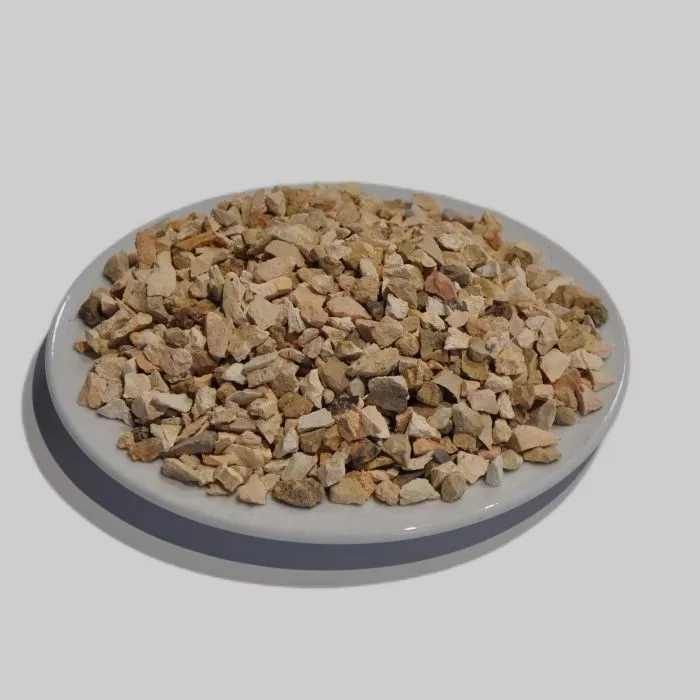
As a supplier of calcined bauxite, I understand the importance of providing high - quality products that meet the specific needs of the coatings industry. Our [Rotary Kiln Bauxite](raw - material/calcined - bauxite/rotary - kiln - bauxite.html), [High Purity Calcined Bauxite](raw - material/calcined - bauxite/high - purity - calcined - bauxite.html), and [Rotary Kiln Calcined Bauxite](raw - material/calcined - bauxite/rotary - kiln - calcined - bauxite.html) are carefully processed to ensure consistent quality and performance.
If you are involved in the coatings industry and are looking for a reliable calcined bauxite supplier, I encourage you to reach out to us for more information and to discuss your specific requirements. We are committed to providing you with the best - suited calcined bauxite products to enhance the adhesion and overall performance of your coatings.
References
- ASTM International. (20XX). Standard test methods for evaluating the adhesion of coatings. ASTM DXXXX - XX.
- Paint and Coatings Technology Handbook. (20XX). Wiley.
- Journal of Coatings Technology and Research. Various issues related to coating adhesion and filler materials.