

Proper storage of tundish shrouds is crucial for maintaining their quality and performance. As a trusted tundish shroud supplier, we understand the significance of this process and are committed to providing you with comprehensive guidance on how to store these essential refractory components correctly.
Understanding Tundish Shrouds
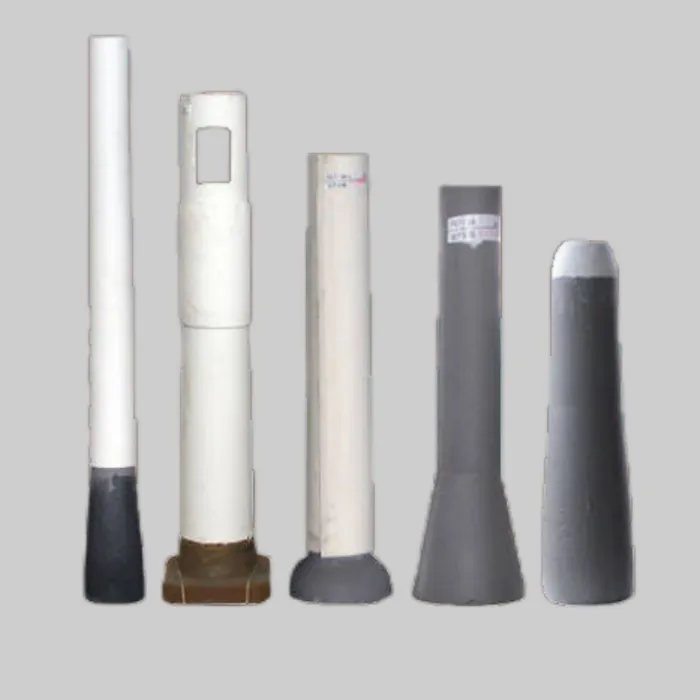
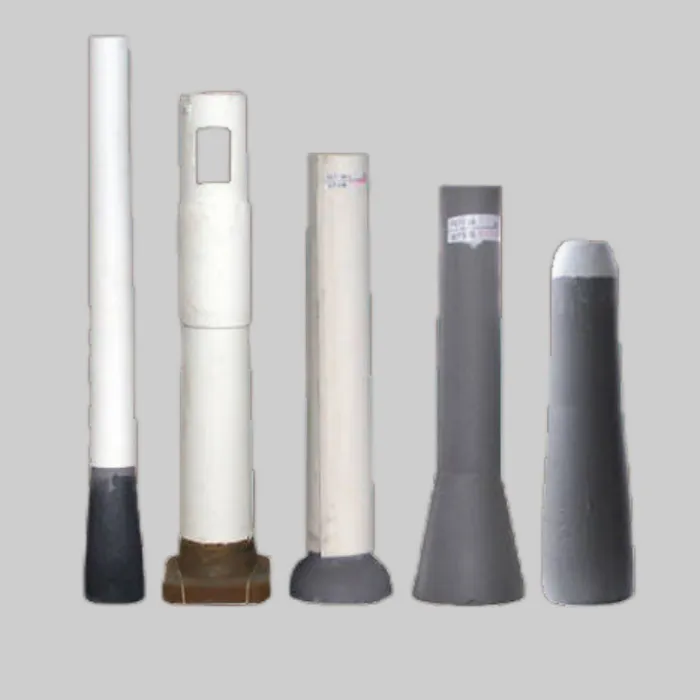
Before delving into the storage methods, it's important to have a clear understanding of what tundish shrouds are and their role in the continuous casting process. Tundish shrouds are refractory tubes used to protect molten steel as it flows from the ladle to the tundish. They prevent oxidation and contamination of the steel, ensuring the quality of the final product.
Factors Affecting Tundish Shroud Storage
Several factors can impact the quality of tundish shrouds during storage. These include humidity, temperature, physical damage, and chemical exposure. By controlling these factors, you can extend the lifespan of your tundish shrouds and maintain their performance.
Humidity
Humidity is one of the most critical factors affecting tundish shroud storage. High humidity levels can cause the shrouds to absorb moisture, leading to cracking and spalling when heated during the casting process. To prevent this, it's essential to store tundish shrouds in a dry environment with a relative humidity below 60%.
Temperature
Extreme temperatures can also have a negative impact on tundish shrouds. High temperatures can cause the refractory material to expand, while low temperatures can lead to contraction and cracking. It's recommended to store tundish shrouds at a stable temperature between 10°C and 30°C.
Physical Damage
Physical damage, such as impact or abrasion, can compromise the integrity of tundish shrouds. During storage, it's important to handle the shrouds with care and avoid stacking them in a way that could cause damage. Additionally, it's recommended to use protective packaging to prevent scratches and other forms of damage.
Chemical Exposure
Exposure to chemicals, such as acids and alkalis, can corrode the refractory material of tundish shrouds. To prevent chemical damage, it's important to store the shrouds away from sources of chemical exposure, such as cleaning agents and solvents.
Best Practices for Tundish Shroud Storage
Based on our experience as a tundish shroud supplier, we recommend the following best practices for storing tundish shrouds:
Choose the Right Storage Location
Select a storage location that is dry, well-ventilated, and protected from direct sunlight and extreme temperatures. A dedicated storage room or warehouse is ideal, but if this is not available, you can use a covered area with proper ventilation.
Use Protective Packaging
When storing tundish shrouds, it's important to use protective packaging to prevent physical damage. We recommend using cardboard boxes or wooden crates lined with foam or other cushioning materials to protect the shrouds during storage and transportation.
Stack the Shrouds Properly
When stacking tundish shrouds, it's important to ensure that they are stacked in a stable and secure manner. Avoid stacking the shrouds too high or in a way that could cause them to tip over. Additionally, it's recommended to use spacers between the shrouds to prevent them from rubbing against each other.
Monitor the Storage Conditions
Regularly monitor the storage conditions, including temperature and humidity, to ensure that they remain within the recommended range. If necessary, use dehumidifiers or heaters to maintain the optimal storage conditions.
Inspect the Shrouds Regularly
Periodically inspect the tundish shrouds for signs of damage or deterioration. Look for cracks, chips, or other forms of physical damage, as well as signs of corrosion or chemical exposure. If any damage is detected, remove the affected shrouds from storage and replace them with new ones.
Additional Tips for Tundish Shroud Storage
In addition to the best practices outlined above, here are some additional tips for storing tundish shrouds:
Keep the Storage Area Clean
Regularly clean the storage area to prevent the accumulation of dust and debris, which can cause damage to the shrouds. Use a vacuum cleaner or a broom to remove any dirt or dust from the floor and shelves.
Store the Shrouds Away from Flammable Materials
Tundish shrouds are made of refractory materials, which are generally non-flammable. However, it's still important to store them away from flammable materials, such as gasoline and oil, to prevent the risk of fire.
Label the Shrouds
Label the tundish shrouds with their size, type, and other relevant information to make it easier to identify them during storage and retrieval. This can help to prevent mix-ups and ensure that the correct shrouds are used for each casting process.
Conclusion
Proper storage of tundish shrouds is essential for maintaining their quality and performance. By following the best practices outlined in this blog post, you can ensure that your tundish shrouds are stored in a way that protects them from damage and deterioration. As a trusted tundish shroud supplier, we are committed to providing you with high-quality products and comprehensive support to help you achieve the best results in your continuous casting process.
If you have any questions or need further information about tundish shroud storage or our products, please feel free to contact us. We look forward to working with you to meet your refractory needs.
References
- "Refractory Materials for Continuous Casting," Journal of Refractories, Vol. 25, No. 3, 2018.
- "Best Practices for Tundish Shroud Storage and Handling," Steel Times International, Vol. 42, No. 6, 2019.
- "Continuous Casting Technology: Principles and Applications," John Wiley & Sons, 2020.