

As a seasoned supplier in the fire brick industry, I've witnessed firsthand the transformative impact these remarkable materials have on various high - temperature applications. Fire bricks, also known as refractory bricks, are engineered to withstand extreme heat, making them an indispensable asset in numerous industrial and commercial settings. In this blog, I'll delve into the many advantages of using fire bricks, highlighting why they are the go - to choice for heat - resistant solutions.
Exceptional Heat Resistance
The most prominent advantage of fire bricks is their ability to endure high temperatures without losing their structural integrity. These bricks are crafted from special clay and other refractory materials that can withstand temperatures ranging from 1,500°C to 1,800°C, depending on the type of fire brick. For instance, Magnesia Spinel Bricks [/fire - brick/magnesia - spinel - bricks.html] are renowned for their excellent thermal stability at elevated temperatures. They are commonly used in steelmaking furnaces, where the temperature can soar to over 1,600°C. The high melting point of these bricks ensures that they do not melt or deform under such intense heat, providing a reliable lining for the furnace and protecting the surrounding structures.
Low Thermal Conductivity
Fire bricks have low thermal conductivity, which means they are poor conductors of heat. This property is crucial in applications where heat retention is essential. When used as a lining in furnaces, kilns, or fireplaces, fire bricks slow down the transfer of heat from the inside of the chamber to the outside. As a result, less energy is wasted, and the overall efficiency of the heating system is significantly improved. For example, in a ceramic kiln, Corundum Mullite Brick [/fire - brick/corundum - mullite - brick.html] can be used to line the interior. These bricks trap the heat within the kiln, allowing the ceramics to be fired evenly and with less energy consumption. This not only reduces operational costs but also makes the process more environmentally friendly.
Chemical Inertness
In many industrial processes, high - temperature environments are often accompanied by harsh chemical conditions. Fire bricks are chemically inert, meaning they do not react easily with most chemicals. This makes them ideal for use in chemical processing plants, where they can be exposed to corrosive substances such as acids, alkalis, and molten metals. Chrome Corundum Brick [/fire - brick/chrome - corundum - brick.html] is highly resistant to chemical corrosion. It can be used in the lining of glass melting furnaces, where it comes into contact with molten glass and various additives. The chemical stability of these bricks ensures a long service life, reducing the need for frequent replacements and maintenance.
Mechanical Strength
Fire bricks possess high mechanical strength, which enables them to withstand the physical stresses associated with high - temperature applications. In a blast furnace, for example, the bricks are subjected to the weight of the charge materials, as well as the forces generated by the movement of hot gases and molten metal. The strong structure of fire bricks allows them to resist these forces without cracking or crumbling. This mechanical durability is essential for maintaining the integrity of the furnace lining and ensuring the safe and efficient operation of the industrial process.
Versatility
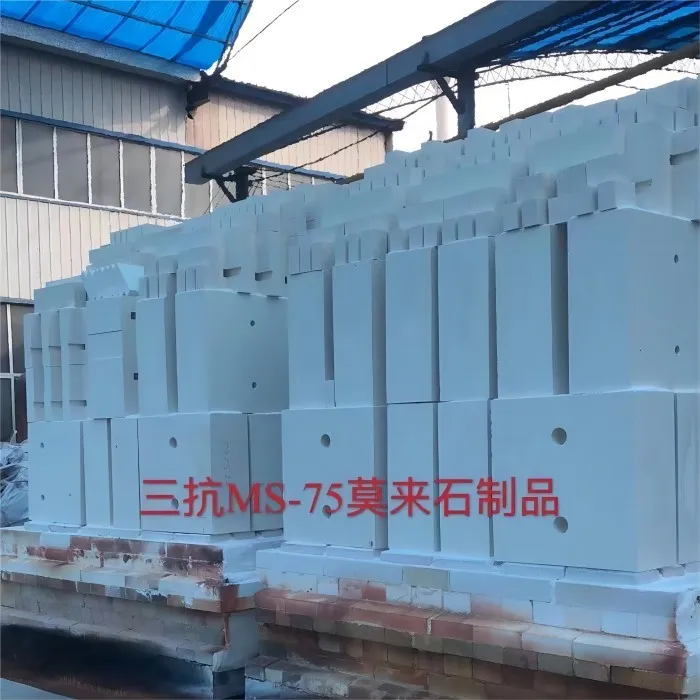
Fire bricks come in a wide variety of shapes, sizes, and compositions, making them suitable for a diverse range of applications. Whether it's a small home fireplace or a large industrial furnace, there is a fire brick that can meet the specific requirements of the project. They can be customized to fit different geometries and can be installed in various configurations. For example, some fire bricks are designed with interlocking features, which make them easier to install and provide a more secure fit. This versatility allows engineers and designers to use fire bricks in creative ways to optimize the performance of their heating systems.
Cost - Effectiveness
Although the initial cost of fire bricks may be higher compared to some other building materials, their long - term cost - effectiveness is undeniable. Due to their durability, low maintenance requirements, and energy - saving properties, fire bricks can result in significant cost savings over time. A well - installed fire brick lining can last for many years, reducing the need for frequent replacements and repairs. Additionally, the energy efficiency of fire bricks can lead to lower energy bills, offsetting the initial investment.
Insulation and Safety
In addition to their heat - resistant properties, fire bricks also provide excellent insulation. This insulation not only helps in conserving energy but also enhances safety. By reducing the surface temperature of the heating equipment, fire bricks minimize the risk of burns and fires. In a commercial kitchen, for example, fire bricks can be used to line the ovens and grills. The insulation provided by the bricks keeps the exterior of the equipment cool to the touch, protecting the kitchen staff from accidental burns.
Ease of Installation
Fire bricks are relatively easy to install, especially when compared to some other complex heat - resistant materials. They can be laid using standard masonry techniques, and with the right tools and skills, even a DIY enthusiast can undertake a fire brick installation project. Many fire brick suppliers offer installation guides and support to ensure that the bricks are installed correctly. This ease of installation can save time and labor costs during the construction or renovation of heating systems.
In conclusion, the advantages of using fire bricks are numerous and far - reaching. Their exceptional heat resistance, low thermal conductivity, chemical inertness, mechanical strength, versatility, cost - effectiveness, insulation, and ease of installation make them an ideal choice for a wide range of high - temperature applications. Whether you are in the steel industry, the ceramics industry, or simply looking to upgrade your home fireplace, fire bricks can provide a reliable and efficient solution.
If you are interested in purchasing fire bricks for your project, I encourage you to reach out to discuss your specific needs. Our team of experts is ready to assist you in selecting the right type of fire bricks and providing you with the best possible solution. Let's work together to create a more efficient and sustainable high - temperature environment.
References
- "Refractory Materials: Properties and Applications" - A comprehensive book on the science and engineering of refractory materials.
- Industry reports on the use of fire bricks in various industrial sectors.
- Technical data sheets provided by fire brick manufacturers.