

What is the color of fire bricks? This is a question that many people, especially those in industries requiring high - temperature resistance, often ask. As a fire brick supplier, I am more than happy to share in - depth knowledge about this topic.
Understanding Fire Bricks
Fire bricks, also known as refractory bricks, are specialized bricks designed to withstand extremely high temperatures. They are used in a wide range of applications, including furnaces, kilns, fireplaces, and industrial ovens. The composition of fire bricks varies depending on their intended use, and this composition plays a crucial role in determining their color.
Factors Affecting the Color of Fire Bricks
- Chemical Composition
- The primary chemical components of fire bricks such as alumina (Al₂O₃), silica (SiO₂), magnesia (MgO), and others can influence the color. For example, bricks with a high alumina content tend to have a lighter color, often white or off - white. Alumina is a refractory material that is chemically stable at high temperatures and does not undergo significant color changes during firing. On the other hand, bricks with a higher silica content may have a more yellowish or grayish tint.
- Magnesia - based fire bricks, which are rich in magnesium oxide, can have a characteristic white or light - gray color. Magnesia is known for its high melting point and excellent refractory properties. When these bricks are fired, the magnesia crystals form a structure that gives the brick its color.
- Impurities
- Even small amounts of impurities can have a significant impact on the color of fire bricks. Iron oxide (Fe₂O₃) is a common impurity that can cause the bricks to have a reddish - brown color. The presence of iron can be due to the raw materials used in the manufacturing process or from contamination during production. Other impurities such as titanium dioxide (TiO₂) or manganese oxide (MnO₂) can also affect the color, sometimes resulting in a darker or more mottled appearance.
- Firing Process
- The temperature and duration of the firing process can change the color of fire bricks. Higher firing temperatures can cause chemical reactions within the brick, leading to color changes. For instance, some bricks may start off as a light color during the initial stages of firing but darken as they are exposed to higher temperatures for an extended period. The atmosphere in the kiln during firing also matters. A reducing atmosphere (low oxygen) can produce different colors compared to an oxidizing atmosphere (high oxygen).
Common Colors of Fire Bricks
- Red Fire Bricks
- Red fire bricks are perhaps the most well - known type. These bricks usually contain a significant amount of iron oxide, which gives them their characteristic red color. They are commonly used in traditional fireplaces and some industrial applications where the temperature requirements are not extremely high. Red fire bricks are relatively inexpensive and widely available. However, their refractory properties may not be as high as some other types of fire bricks.
- White Fire Bricks
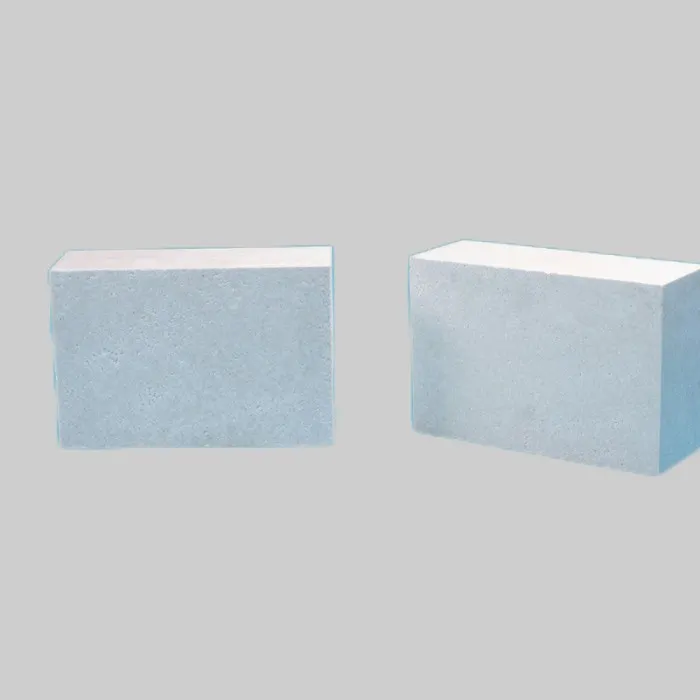
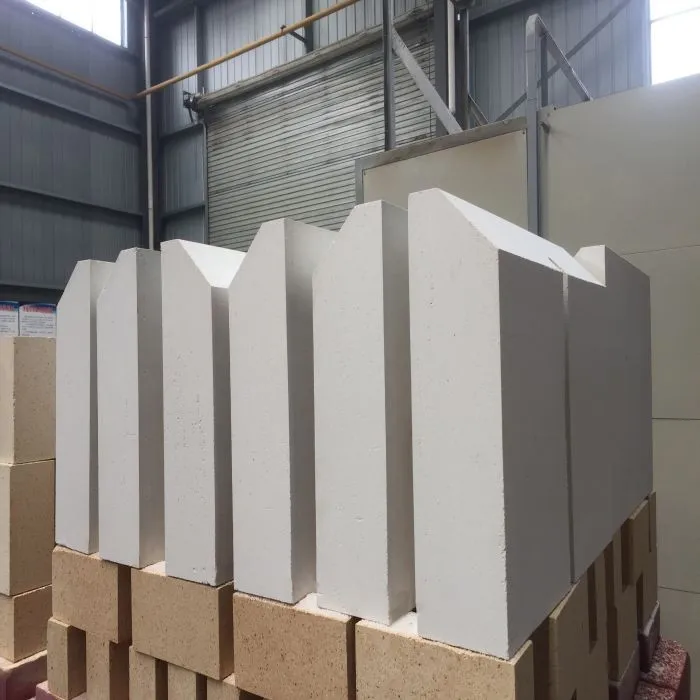
- White fire bricks are often high - alumina bricks. They have excellent refractory properties and can withstand very high temperatures. These bricks are used in applications such as high - temperature furnaces and kilns. Their white color is due to the high purity of the alumina used in their production. They are also known for their low thermal conductivity, which makes them energy - efficient.
- Brown and Gray Fire Bricks
- Brown and gray fire bricks can result from a combination of factors. They may contain a mix of alumina, silica, and small amounts of impurities. These bricks are often used in medium - temperature applications. For example, they can be found in some industrial ovens and heat - treating furnaces.
Specific Types of Fire Bricks and Their Colors
- Magnesia Spinel Bricks
- Magnesia Spinel Bricks are a type of high - performance fire brick. They typically have a white or light - gray color. These bricks are made by combining magnesia with spinel (a mineral with a complex crystal structure). The spinel enhances the brick's resistance to thermal shock and corrosion. Their light color is a result of the high - purity magnesia and the unique crystal structure formed during the manufacturing process.
- Corundum Brick
- Corundum Brick is another high - quality fire brick. Corundum is a crystalline form of alumina, and these bricks are known for their high hardness and excellent refractory properties. They usually have a white or light - colored appearance. The high - purity alumina in corundum bricks gives them their characteristic color and makes them suitable for use in extremely high - temperature environments, such as in steel - making furnaces.
- Silicon Carbide Rubbing Brick
- Silicon Carbide Rubbing Brick has a distinct black or dark - gray color. Silicon carbide is a very hard and heat - resistant material. The black color is due to the nature of silicon carbide itself. These bricks are often used in applications where abrasion resistance is required, such as in the lining of some industrial equipment.
Importance of Color in Fire Brick Selection
- Aesthetic Considerations
- In some cases, the color of fire bricks can be important for aesthetic reasons. For example, in a residential fireplace, the color of the fire bricks can contribute to the overall look of the fireplace. Red fire bricks can give a traditional and warm appearance, while white fire bricks can create a more modern and clean look.
- Performance Indication
- Color can also be an indicator of the performance of fire bricks. Lighter - colored bricks, especially those that are white or off - white, are often associated with higher purity and better refractory properties. Darker - colored bricks may have lower purity or different chemical compositions that could affect their performance. However, it is important to note that color alone is not a definitive measure of a fire brick's quality, and other factors such as density, thermal conductivity, and strength should also be considered.
Contact for Procurement
If you are in need of fire bricks for your industrial or residential applications, I encourage you to contact me for procurement. Whether you are looking for high - temperature - resistant bricks for a large - scale industrial furnace or aesthetically pleasing bricks for your home fireplace, I can provide you with a wide range of options. Our fire bricks are of the highest quality, and we can offer competitive prices and excellent customer service. Reach out to discuss your specific requirements, and let's find the perfect fire bricks for your project.
References
- "Refractories Handbook" by John Smith
- "High - Temperature Materials and Their Applications" by Jane Doe
- Industry reports on fire brick manufacturing and properties.