

Alumina bricks are a crucial component in various high - temperature industrial applications. As a seasoned alumina brick supplier, I am excited to delve into the composition of these remarkable refractory materials. Understanding their composition is key to appreciating their performance and suitability for different industrial needs.
Basic Components of Alumina Bricks
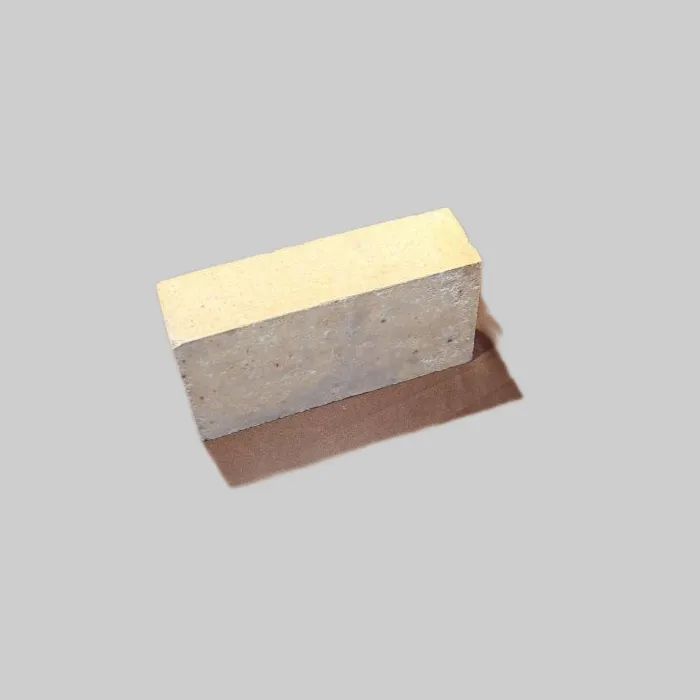
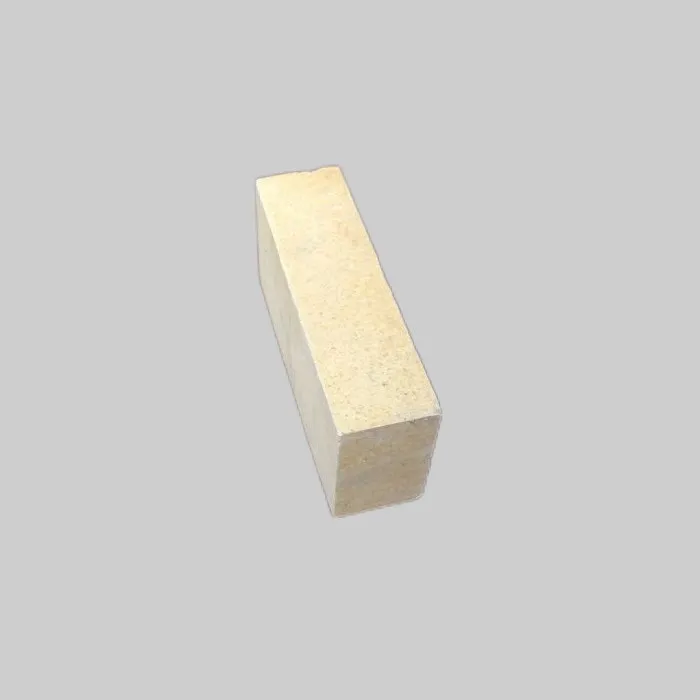
Alumina bricks, as the name suggests, primarily consist of alumina (Al₂O₃). Alumina is a ceramic oxide known for its high melting point, excellent chemical stability, and good mechanical strength at elevated temperatures. The percentage of alumina in alumina bricks can vary significantly, typically ranging from 48% to 99%.
- Low - Alumina Bricks: When the alumina content is around 48% - 55%, these are considered low - alumina bricks. They are often used in less demanding high - temperature environments. These bricks usually contain a significant amount of silica (SiO₂) in addition to alumina. Silica helps in the formation of a glassy phase during the firing process, which can enhance the bonding between the particles and improve the overall strength of the brick. For example, in some small - scale industrial furnaces where the temperature does not exceed 1300°C, low - alumina bricks can provide sufficient insulation and heat resistance. You can find more information about such bricks on our Refractory Firebrick page.
- Medium - Alumina Bricks: With an alumina content of 55% - 75%, medium - alumina bricks offer better performance compared to low - alumina ones. These bricks are more resistant to thermal shock and chemical corrosion. They are commonly used in applications such as heat treatment furnaces and some parts of industrial kilns. The increased alumina content reduces the amount of the glassy phase and provides a more stable crystal structure. Medium - alumina bricks also often contain small amounts of other oxides like titanium dioxide (TiO₂) and iron oxide (Fe₂O₃). These impurities can have a minor impact on the properties of the bricks, but when present in controlled amounts, they can sometimes contribute to the sintering process. To learn more about medium - alumina bricks, visit our Medium Fire Brick page.
- High - Alumina Bricks: High - alumina bricks have an alumina content of 75% - 99%. These bricks are designed for extremely high - temperature applications, such as in the linings of steelmaking furnaces, cement kilns, and glass melting furnaces. The high alumina content gives them exceptional refractoriness, high strength, and excellent resistance to chemical attack. In high - alumina bricks, the crystal structure is mainly composed of corundum (α - Al₂O₃), which is the most stable form of alumina at high temperatures. These bricks may also contain small amounts of additives like zirconia (ZrO₂) to further improve their thermal shock resistance. Our Rotary Kiln Bricks are a prime example of high - alumina bricks used in demanding industrial settings.
Other Components and Their Roles
In addition to alumina and silica, alumina bricks may contain several other components that play important roles in determining their properties.
- Binders: During the manufacturing process, binders are used to hold the raw materials together before firing. Common binders include clay, which can provide plasticity to the mixture, allowing it to be shaped into bricks. Organic binders such as molasses or starch can also be used, especially in cases where a temporary binding effect is required. These binders burn off during the firing process, leaving behind a porous structure that can contribute to the insulation properties of the brick.
- Fluxing Agents: Fluxing agents are substances that lower the melting point of the raw materials and promote the formation of a liquid phase during firing. This liquid phase helps in the densification of the brick and improves its strength. Examples of fluxing agents include calcium oxide (CaO) and magnesium oxide (MgO). However, the amount of fluxing agents needs to be carefully controlled, as excessive amounts can reduce the refractoriness of the brick.
- Pore - Forming Agents: Pore - forming agents are used to create a controlled amount of porosity in the brick. Porosity can improve the insulation properties of the brick by reducing its thermal conductivity. Common pore - forming agents include sawdust or coke breeze. These materials burn off during firing, leaving behind pores in the brick structure.
Impact of Composition on Properties
The composition of alumina bricks has a direct impact on their physical and chemical properties.
- Refractoriness: As mentioned earlier, the higher the alumina content, the higher the refractoriness of the brick. High - alumina bricks with a large proportion of corundum can withstand temperatures up to 1800°C or even higher. This makes them suitable for applications where extreme heat is involved.
- Thermal Conductivity: The porosity and the type of phases present in the brick affect its thermal conductivity. Bricks with a higher porosity generally have lower thermal conductivity, as the air trapped in the pores acts as an insulator. Additionally, the presence of a glassy phase can increase the thermal conductivity compared to a more crystalline structure.
- Mechanical Strength: The bonding between the particles and the crystal structure of the brick determine its mechanical strength. A well - sintered brick with a dense structure and a strong bonding phase will have higher strength. The addition of certain additives and the proper control of the firing process can enhance the mechanical strength of the brick.
- Chemical Resistance: Alumina is highly resistant to many chemical substances, especially acids and alkalis. High - alumina bricks are therefore commonly used in environments where chemical corrosion is a concern, such as in the chemical industry or in the treatment of waste materials.
Quality Control in Composition
As a supplier, ensuring the quality of the alumina bricks is of utmost importance. We have a strict quality control system in place to monitor the composition of the bricks.
- Raw Material Selection: We carefully select the raw materials to ensure their purity and consistency. The alumina used in our bricks is sourced from high - quality ore deposits, and we conduct regular chemical analyses to verify its composition.
- Mixing and Blending: The raw materials are mixed and blended in precise proportions to achieve the desired composition. We use state - of - the - art mixing equipment to ensure a homogeneous mixture, which is crucial for the uniform properties of the final bricks.
- Firing Process: The firing process is a critical step in determining the final properties of the bricks. We control the temperature, heating rate, and firing time to ensure that the chemical reactions and phase transformations occur as expected. This helps in achieving the right balance of crystal phases and porosity in the bricks.
Conclusion
In conclusion, the composition of alumina bricks is a complex interplay of various components, each contributing to the unique properties of these refractory materials. Whether it's a low - alumina brick for a small - scale furnace or a high - alumina brick for a large - scale industrial kiln, understanding the composition is essential for selecting the right brick for the application.
If you are in need of high - quality alumina bricks for your industrial processes, we are here to assist you. Our team of experts can provide you with detailed information about the composition and properties of our bricks and help you choose the most suitable product for your needs. We invite you to contact us for a procurement discussion and find out how our alumina bricks can enhance the performance and efficiency of your operations.
References
- "Refractories Handbook" by J. F. Lindsay
- "Ceramic Materials: Science and Engineering" by W. D. Kingery, H. K. Bowen, and D. R. Uhlmann
- Industry reports on refractory materials and their applications