

Hey there! As an alumina brick supplier, I've been getting a lot of questions lately about the difference between high - alumina brick and ordinary alumina brick. So, I thought I'd take a few minutes to break it down for you.
First off, let's talk about what alumina bricks are. Alumina bricks are refractory materials that are used in a variety of high - temperature applications. They're super important in industries like metallurgy, cement, and glass manufacturing, just to name a few. These bricks can withstand extreme heat, which makes them essential for lining furnaces, kilns, and other high - heat equipment.
Now, let's dive into the difference between high - alumina brick and ordinary alumina brick. The main difference lies in the alumina content. Ordinary alumina bricks usually have an alumina content ranging from 30% to 48%. On the other hand, high - alumina bricks have a much higher alumina content, typically above 48%, and it can even go up to 90% or more in some cases.
The higher alumina content in high - alumina bricks gives them some pretty significant advantages. One of the most important ones is their superior refractoriness. Refractoriness is the ability of a material to withstand high temperatures without melting or deforming. High - alumina bricks can handle much higher temperatures compared to ordinary alumina bricks. For example, in a steelmaking furnace where temperatures can reach well over 1600°C, high - alumina bricks are often the go - to choice because they can maintain their shape and structure under such extreme heat.
Another advantage of high - alumina bricks is their better chemical resistance. In industrial processes, there are often various chemicals involved, such as acids and alkalis. High - alumina bricks are more resistant to chemical attack than ordinary alumina bricks. This means they can last longer in environments where they're exposed to corrosive substances. For instance, in a chemical processing plant, high - alumina bricks can provide better protection for the equipment and reduce the frequency of brick replacement.
But it's not all about high - alumina bricks. Ordinary alumina bricks also have their place in the market. They are generally more affordable than high - alumina bricks. If you're working on a project where the temperature requirements are not extremely high and there's no significant chemical exposure, ordinary alumina bricks can be a cost - effective solution. For example, in a small - scale pottery kiln where the operating temperature is around 1000 - 1200°C, ordinary alumina bricks can do the job just fine.
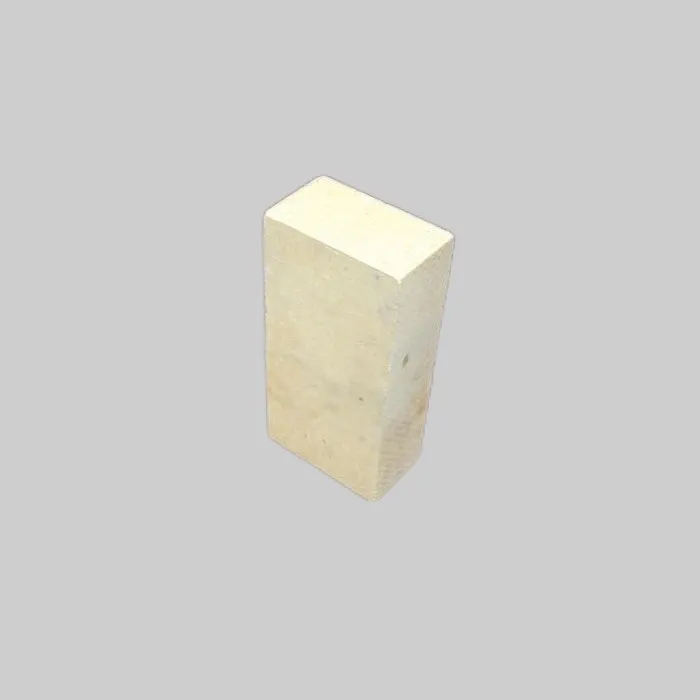
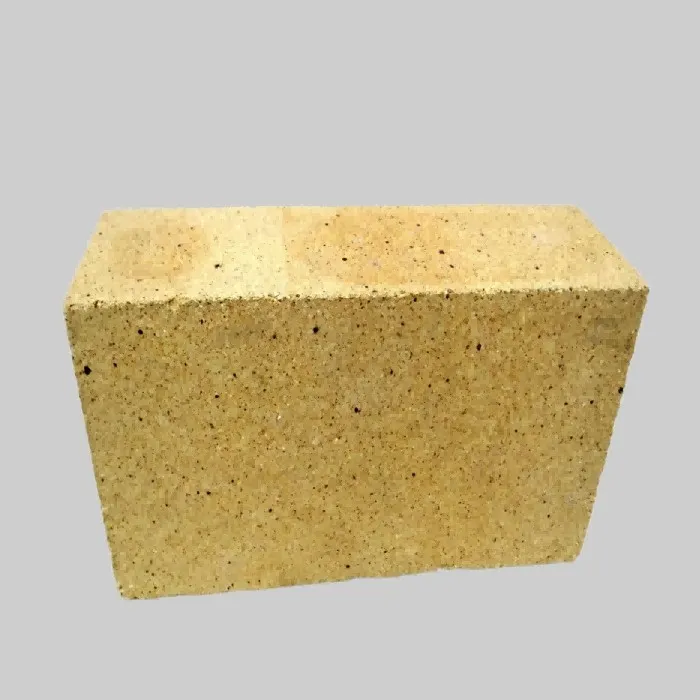
In terms of physical properties, high - alumina bricks tend to be denser and harder than ordinary alumina bricks. This makes them more resistant to abrasion. In applications where there's a lot of mechanical wear, like in a coal - fired boiler where the bricks are constantly being hit by flying coal particles, high - alumina bricks are a better option because they can withstand the abrasion better.
When it comes to installation, both types of bricks require proper handling. They need to be installed correctly to ensure a tight fit and good insulation. Whether you choose high - alumina or ordinary alumina bricks, it's important to follow the manufacturer's guidelines.
Now, let me tell you about some of the products we offer as an alumina brick supplier. We have a wide range of high - alumina and ordinary alumina bricks to meet different customer needs. If you're looking for fire bricks for a heat treat oven, we've got you covered. Check out our Fire Brick for Heat Treat Oven. These bricks are designed to provide excellent heat insulation and can withstand the high temperatures required in heat treatment processes.
For those of you who have a fireplace at home, our Clay Bricks for Fireplace are a great choice. They're made from high - quality alumina materials and can add a touch of style to your fireplace while providing reliable heat resistance.
And if you need long fire bricks for a specific project, we offer Long Fire Bricks. These bricks are available in different alumina contents, so you can choose the one that suits your needs best.
So, how do you decide which type of alumina brick is right for you? Well, it all depends on your specific application. Consider the temperature requirements, chemical exposure, and budget. If you're not sure, feel free to reach out to us. We have a team of experts who can help you make the right decision.
In conclusion, both high - alumina and ordinary alumina bricks have their own unique features and advantages. As an alumina brick supplier, we're committed to providing high - quality products and excellent service. Whether you need high - performance high - alumina bricks for an industrial application or cost - effective ordinary alumina bricks for a small - scale project, we can offer you the right solution. If you're interested in our products, don't hesitate to contact us for a purchase negotiation. We're looking forward to working with you!
References:
- Various industry reports on refractory materials
- Technical manuals of alumina brick manufacturers