

When it comes to construction and masonry work, mortar is an essential component. It serves as the bonding agent between bricks, stones, or other building materials, providing stability and strength to the structure. However, not all mortars are created equal. In this blog, we'll explore the key differences between refractory mortar and regular mortar, and why understanding these differences is crucial for specific applications. As a refractory mortar supplier, I've witnessed firsthand the importance of using the right type of mortar for the job, and I'm excited to share my insights with you.
Composition and Ingredients
Regular mortar is typically composed of cement, sand, and water. Cement acts as the binding agent, sand provides bulk and stability, and water activates the cement and allows for proper mixing and application. Depending on the specific requirements of the project, other additives may be included to enhance certain properties, such as workability, water resistance, or strength.
On the other hand, refractory mortar is formulated to withstand high temperatures and harsh chemical environments. In addition to cement and sand, refractory mortar often contains special refractory aggregates, such as fireclay, alumina, or silica. These aggregates have high melting points and excellent thermal stability, allowing the mortar to maintain its integrity and strength even under extreme heat. Some refractory mortars may also include other additives, such as fibers or binders, to improve performance and durability.
Temperature Resistance
One of the most significant differences between refractory mortar and regular mortar is their temperature resistance. Regular mortar is designed for use in normal temperature environments, typically up to around 200°C (392°F). Beyond this temperature, the cement in regular mortar can begin to break down, losing its strength and integrity. This can lead to cracks, spalling, and other forms of damage, compromising the structural integrity of the building.
Refractory mortar, on the other hand, is specifically engineered to withstand high temperatures. Depending on the composition and formulation, refractory mortars can have temperature ratings ranging from 1000°C (1832°F) to over 2000°C (3632°F). This makes them ideal for use in applications where exposure to extreme heat is expected, such as fireplaces, kilns, furnaces, and industrial ovens.
Chemical Resistance
In addition to high temperature resistance, refractory mortar also offers excellent chemical resistance. Many industrial processes involve the use of corrosive chemicals or gases, which can attack and degrade regular mortar over time. Refractory mortar, however, is formulated to resist the effects of these chemicals, ensuring long-lasting performance and durability.
For example, in a chemical processing plant, refractory mortar may be used to line the interior of a reaction vessel or a chimney. The mortar's chemical resistance helps to prevent corrosion and erosion, protecting the underlying structure and ensuring the safe and efficient operation of the equipment.
Workability and Setting Time
Another difference between refractory mortar and regular mortar is their workability and setting time. Regular mortar is typically more workable and easier to apply than refractory mortar. It has a smoother consistency and can be easily spread and shaped using standard masonry tools. The setting time of regular mortar is also relatively short, typically ranging from a few hours to a day, depending on the type of cement used and the environmental conditions.
Refractory mortar, on the other hand, can be more difficult to work with. It often has a thicker consistency and may require more effort to mix and apply. The setting time of refractory mortar is also longer, typically ranging from several hours to several days. This is because the special refractory aggregates and additives in the mortar require more time to react and harden.
Applications
The differences in composition, temperature resistance, chemical resistance, workability, and setting time between refractory mortar and regular mortar make them suitable for different applications.
Regular mortar is commonly used in general construction projects, such as building walls, laying bricks, and constructing foundations. It is also used in landscaping and outdoor projects, such as paving patios and walkways.
Refractory mortar, on the other hand, is used in applications where high temperature and chemical resistance are required. Some common applications of refractory mortar include:
- Fireplaces and Wood Stoves: Refractory mortar is used to line the interior of fireplaces and wood stoves, providing a heat-resistant barrier between the fire and the surrounding structure. It helps to prevent heat transfer and protects the fireplace or stove from damage.
- Kilns and Furnaces: In industrial settings, refractory mortar is used to line the interior of kilns and furnaces. It can withstand the extreme temperatures generated during the firing process and provides a stable and durable lining for the equipment.
- Industrial Ovens: Refractory mortar is also used in industrial ovens, such as those used in the food processing, ceramics, and glass industries. It helps to maintain a consistent temperature inside the oven and protects the oven walls from heat damage.
- Chimneys and Flues: Refractory mortar is used to line the interior of chimneys and flues, providing a heat-resistant and corrosion-resistant barrier. It helps to prevent the spread of fire and protects the chimney or flue from damage caused by hot gases and chemicals.
Conclusion
In conclusion, refractory mortar and regular mortar are two different types of mortar with distinct properties and applications. Regular mortar is suitable for general construction projects where normal temperature and environmental conditions are expected. Refractory mortar, on the other hand, is specifically designed for use in high temperature and harsh chemical environments, providing excellent temperature and chemical resistance.
As a refractory mortar supplier, I understand the importance of using the right type of mortar for the job. Whether you're building a fireplace, a kiln, or an industrial oven, choosing the appropriate refractory mortar is crucial for ensuring the long-term performance and durability of your project.
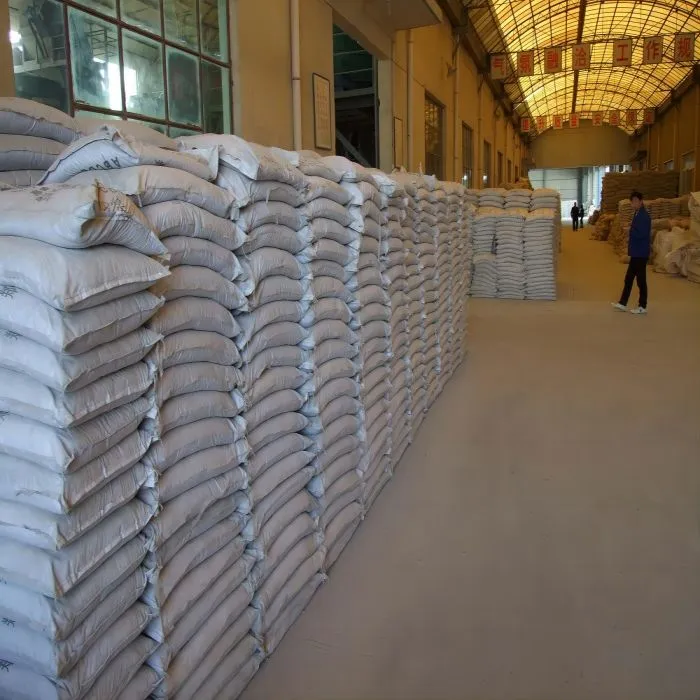
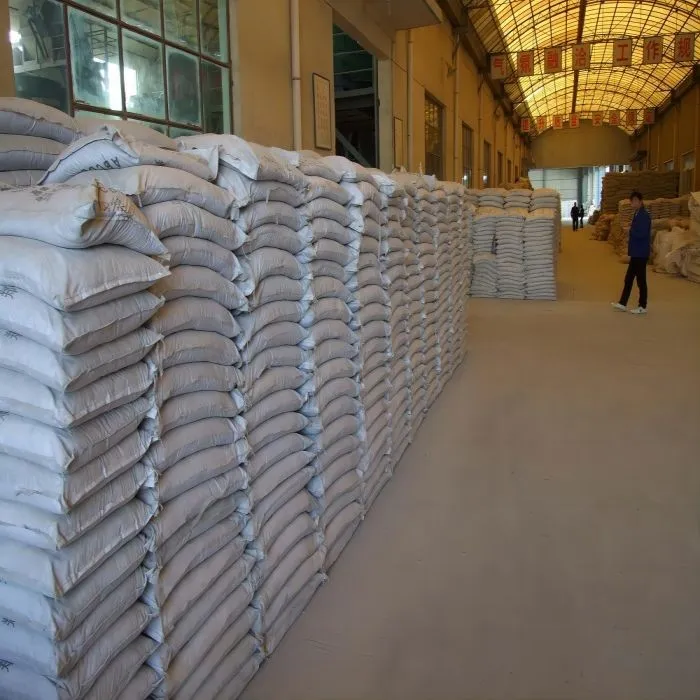
If you're in need of refractory mortar for your next project, I encourage you to explore our range of products. We offer a variety of High Heat Brick Mortar, Firebrick Mortar Mix, and Fireplace Refractory Mortar to meet your specific needs. Our team of experts is also available to provide you with technical support and guidance to help you select the right product for your application.
Contact us today to discuss your project requirements and learn more about our refractory mortar products. We look forward to working with you to ensure the success of your project.
References
- ASTM International. (2021). Standard Specification for Mortar for Unit Masonry. ASTM C270-21.
- National Fire Protection Association. (2021). National Fire Codes. NFPA 211-2021.
- The Masonry Society. (2021). Technical Notes on Masonry Construction. TMS 602-21.