

As a seasoned supplier of alumina bricks, I've witnessed firsthand the critical role these remarkable materials play in high - temperature applications. In this blog, we'll delve deep into the heat resistance of alumina bricks, exploring what makes them a top choice for industries that demand reliability under extreme heat.
Understanding Alumina Bricks
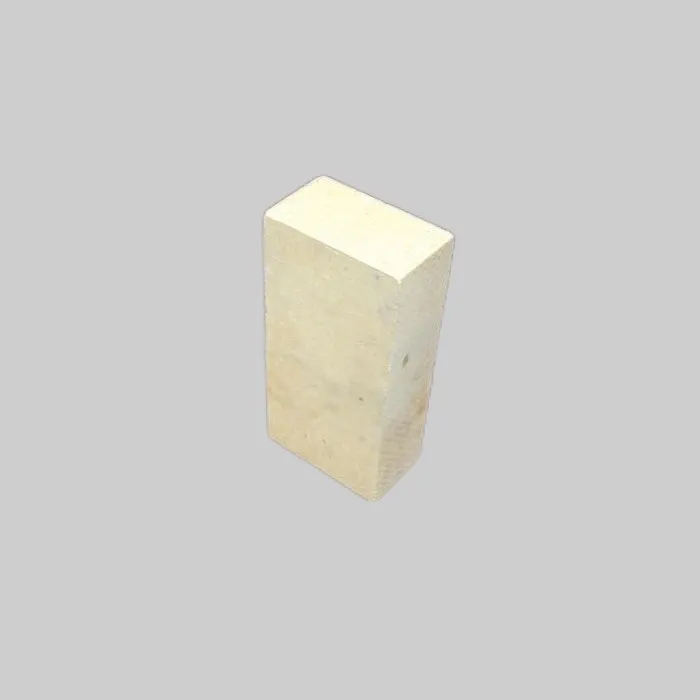
Alumina bricks are refractory materials composed primarily of aluminum oxide (Al₂O₃). The percentage of alumina content can vary, typically ranging from 48% to over 90%. Higher alumina content generally translates to better heat - resistant properties, making these bricks suitable for a wide range of industrial settings, including steelmaking, glass manufacturing, and heat treatment ovens.
Factors Affecting Heat Resistance
Alumina Content
The most significant factor influencing the heat resistance of alumina bricks is the alumina content. As the alumina percentage increases, the brick's melting point rises, and its ability to withstand high temperatures improves. For instance, bricks with a high alumina content of 90% or more can endure temperatures up to 1800°C (3272°F). These high - alumina bricks are often used in the most demanding industrial environments, such as the lining of blast furnaces in the steel industry.
Mineral Composition
In addition to alumina, other minerals present in the brick can also affect its heat resistance. For example, silica (SiO₂) is a common component. When combined with alumina, it forms mullite (3Al₂O₃·2SiO₂), a mineral with excellent thermal stability. The presence of mullite helps to strengthen the brick structure at high temperatures, preventing deformation and cracking.
Manufacturing Process
The way alumina bricks are manufactured also plays a crucial role in their heat resistance. High - quality bricks are typically produced using advanced techniques such as isostatic pressing or extrusion. These methods ensure a uniform distribution of raw materials, resulting in a dense and homogeneous brick structure. A well - structured brick can better resist thermal shock and maintain its integrity at high temperatures.
Heat Resistance Performance in Different Applications
Steel Industry
In the steel industry, alumina bricks are used to line furnaces, ladles, and other high - temperature vessels. The intense heat generated during steelmaking can reach temperatures of 1600°C (2912°F) or higher. High - alumina bricks with a content of 80% - 90% are commonly used in the lining of basic oxygen furnaces (BOFs) and electric arc furnaces (EAFs). These bricks can withstand the corrosive slag and high - temperature environment, ensuring the efficient operation of the furnaces.
Glass Manufacturing
Glass manufacturing involves melting raw materials at temperatures around 1500°C (2732°F). Alumina bricks are used in the melting tanks and forehearths of glass furnaces. The heat resistance of these bricks is essential to prevent the infiltration of molten glass and to maintain the shape and integrity of the furnace structure. Bricks with a moderate alumina content of 50% - 70% are often sufficient for this application, as they offer a good balance between heat resistance and cost - effectiveness.
Heat Treatment Ovens
Heat treatment ovens are used to heat - treat metal parts to improve their mechanical properties. The operating temperature of these ovens can range from 500°C (932°F) to 1200°C (2192°F). Fire Brick for Heat Treat Oven are specifically designed to meet the requirements of these applications. They have good thermal insulation properties, which help to reduce energy consumption and maintain a stable temperature inside the oven.
Comparing Alumina Bricks with Other Refractory Materials
When compared to other refractory materials, such as fireclay bricks and magnesia bricks, alumina bricks offer several advantages in terms of heat resistance.
Fireclay Bricks
Fireclay bricks have a lower alumina content, typically around 30% - 45%. They are less heat - resistant than alumina bricks and are usually used in applications where the temperature is relatively low, such as in the lining of small - scale kilns and some domestic heating appliances. Alumina bricks, on the other hand, can handle much higher temperatures and are more suitable for industrial applications.
Magnesia Bricks
Magnesia bricks are known for their high melting point and excellent resistance to basic slags. However, they are more brittle and less resistant to thermal shock than alumina bricks. Alumina bricks offer a better combination of heat resistance, mechanical strength, and thermal shock resistance, making them a more versatile choice for many high - temperature applications.
Our Product Range
At our company, we offer a wide range of alumina bricks to meet the diverse needs of our customers. Our Long Fire Bricks are designed for applications where long - length bricks are required, such as in the construction of large - scale furnaces. These bricks are made with high - quality raw materials and advanced manufacturing processes, ensuring excellent heat resistance and durability.
We also provide High Temp Bricks that can withstand extremely high temperatures. These bricks are ideal for use in the most demanding industrial environments, such as in the aerospace and power generation industries.
Conclusion
The heat resistance of alumina bricks is a result of their unique chemical composition, mineral structure, and manufacturing process. They offer superior performance in high - temperature applications compared to many other refractory materials. Whether you're in the steel, glass, or heat treatment industry, alumina bricks can provide the reliability and durability you need.
If you're interested in learning more about our alumina bricks or have specific requirements for your high - temperature application, we encourage you to contact us for a detailed discussion. Our team of experts is ready to assist you in selecting the right product for your needs and to provide you with the best possible solutions.
References
- "Refractories Handbook" by John N. Hoffman
- "High - Temperature Materials and Technology" by Robert A. Rapp