

Hey there! As a supplier of castable fire bricks, I often get asked about the setting time of these bricks after pouring. It's a crucial topic, especially for those in the industry who rely on these materials for various high - temperature applications. So, let's dive right in and explore what the setting time of castable fire bricks is all about.
Understanding Castable Fire Bricks
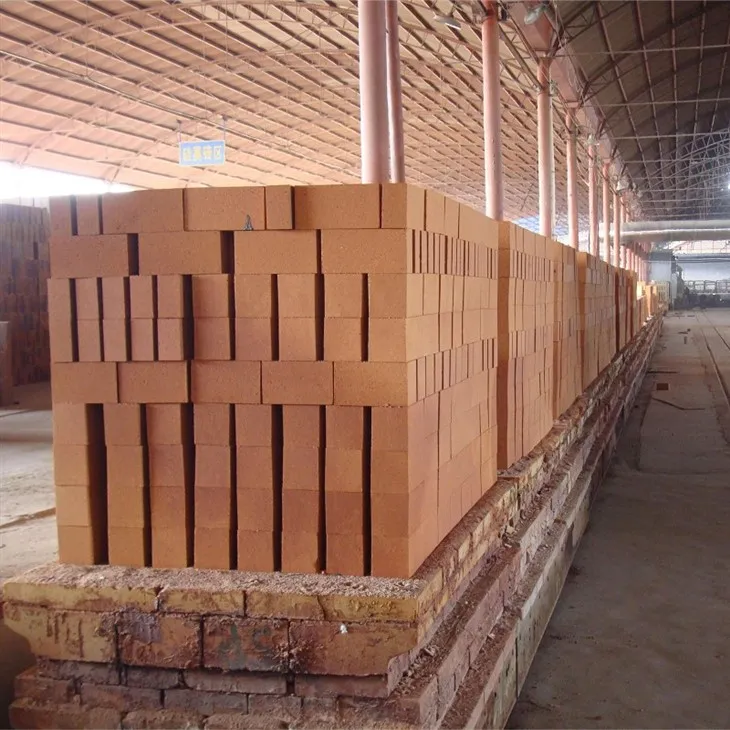
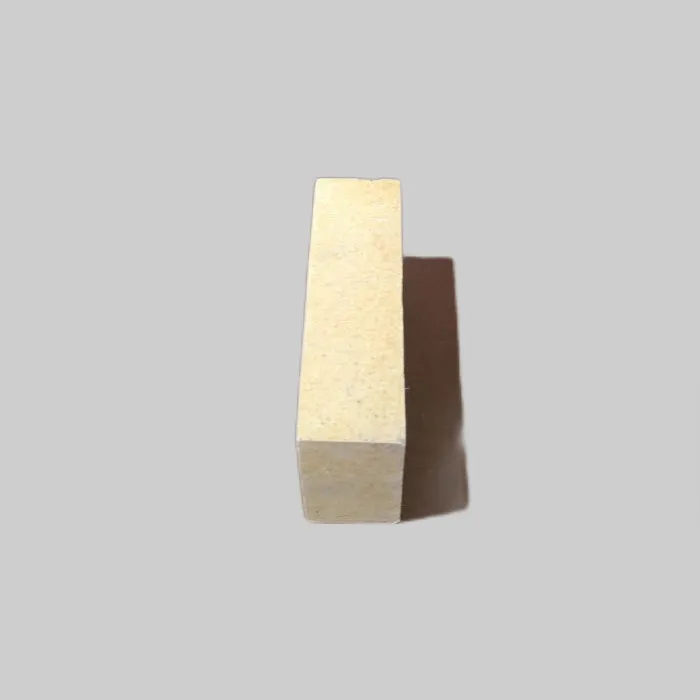
First off, let's briefly talk about what castable fire bricks are. Castable fire bricks are refractory materials that can be poured into molds or directly onto surfaces. They're made from a mix of refractory aggregates, binders, and additives. These materials are designed to withstand extremely high temperatures, making them ideal for use in furnaces, kilns, and other high - heat industrial settings. You can check out more about Ceramic Refractory Bricks on our website.
Factors Affecting Setting Time
The setting time of castable fire bricks isn't a one - size - fits - all value. It can vary depending on several factors.
Binder Type
The type of binder used in the castable mix plays a huge role. There are different binders available, such as cement - based binders and chemical binders. Cement - based binders usually set relatively quickly, often within a few hours. Chemical binders, on the other hand, might have a more variable setting time. Some chemical binders can be adjusted to set faster or slower depending on the specific requirements of the project. For instance, if you're working on a project with a tight schedule, a fast - setting chemical binder could be the way to go. But if you need more time to work with the castable, a slower - setting binder might be preferable.
Temperature
Temperature is another major factor. In general, higher temperatures speed up the setting process. When the ambient temperature is warm, the chemical reactions that cause the castable to set occur more rapidly. Conversely, in colder temperatures, the setting time can be significantly extended. If you're pouring castable fire bricks in the winter, you might need to take extra precautions to ensure proper setting. This could involve using heaters to keep the work area warm or choosing a castable mix that's formulated for cold - weather applications. You can find some great options for High Temp Bricks that are suitable for different temperature conditions.
Humidity
Humidity also affects the setting time. High humidity can slow down the setting process because the excess moisture in the air can interfere with the chemical reactions in the castable. On the other hand, low humidity can cause the castable to dry out too quickly, which might lead to cracking. It's important to find the right balance. If you're working in a high - humidity environment, you might need to adjust the mix or use additives to control the setting time.
Mixing Ratio
The ratio of the different components in the castable mix is crucial. If the mix has too much water, the setting time will be longer, and the strength of the final product might be compromised. If there's too little water, the castable might not be workable, and it could set too quickly. It's essential to follow the manufacturer's instructions carefully when mixing the castable to ensure the correct setting time and optimal performance.
Typical Setting Times
So, what are the typical setting times for castable fire bricks? Well, it really depends on the factors we just discussed. For a standard cement - based castable in normal temperature and humidity conditions (around 20 - 25°C and 40 - 60% humidity), the initial set can occur within 1 - 3 hours. This is when the castable starts to harden and lose its plasticity. The final set, when the castable has reached its full strength, usually takes around 24 - 48 hours.
However, if you're using a chemical - based castable, the initial set could be anywhere from 30 minutes to several hours, depending on the formulation. The final set might take 1 - 3 days. It's important to note that these are just rough estimates, and you should always refer to the product data sheet for the specific castable you're using.
Importance of Proper Setting Time
Getting the setting time right is crucial for the performance of the castable fire bricks. If the castable sets too quickly, it might not be properly placed or shaped, leading to uneven surfaces or weak spots. This can compromise the integrity of the refractory lining and reduce its lifespan.
On the other hand, if the setting time is too long, it can delay the project and increase costs. Workers might have to wait longer before they can continue with the next steps, such as demolding or applying additional layers.
Testing and Monitoring
To ensure that the castable is setting correctly, it's a good idea to perform some simple tests. One common test is the penetration resistance test. This involves using a penetrometer to measure the resistance of the castable as it sets. By taking regular measurements, you can track the progress of the setting process and make sure it's within the expected range.
You can also visually monitor the castable. Look for signs of cracking, shrinkage, or uneven hardening. If you notice any issues, it might be necessary to adjust the conditions or the mix to correct the problem.
Applications and Considerations
Castable fire bricks are used in a wide range of applications, from small - scale industrial furnaces to large - scale power plants. In each application, the setting time requirements might be different.
For example, in a small foundry furnace, a faster - setting castable might be preferred to minimize downtime. Workers can pour the castable, wait for it to set, and then quickly resume operations. In a large power plant, where the refractory lining is more complex and requires more precise installation, a slower - setting castable might be chosen to allow for more time to work with the material.
When choosing a castable for a specific application, it's important to consider not only the setting time but also other properties such as thermal conductivity, abrasion resistance, and chemical resistance. You can explore our range of High Heat Resistant Bricks to find the best fit for your needs.
Conclusion
In conclusion, the setting time of castable fire bricks is a complex but important aspect of their use. It's influenced by factors like binder type, temperature, humidity, and mixing ratio. By understanding these factors and taking the necessary precautions, you can ensure that the castable sets correctly and performs well in your application.
If you're in the market for high - quality castable fire bricks and need more information about setting times or any other aspect of our products, don't hesitate to reach out. We're here to help you make the right choice for your project. Whether you're a small business owner or part of a large industrial operation, we have the expertise and the products to meet your needs. Contact us today to start a conversation about your refractory requirements.
References
- ASTM International. (Year). Standard test methods for properties of refractory castables. ASTM C401/C401M - XX.
- Refractory Manufacturer's Association. (Year). Technical guide to refractory materials.