

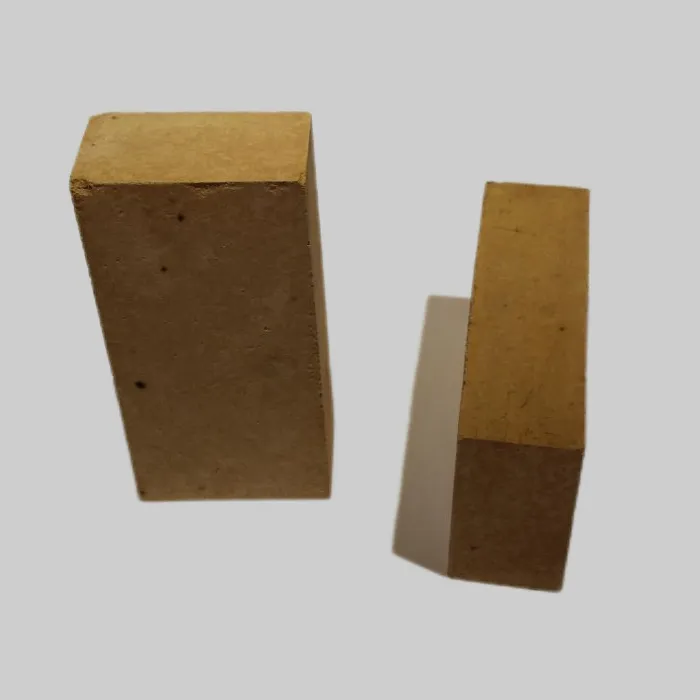
As a seasoned supplier of fire bricks, I've witnessed firsthand the crucial role these specialized bricks play in a multitude of high - temperature industries. Fire bricks, also known as refractory bricks, are engineered to withstand extreme heat, corrosion, and mechanical stress, making them an indispensable component in various applications. In this blog, I'll delve into the strengths of fire bricks, exploring their unique properties and why they are the go - to choice for industries that demand high - performance materials.
High - Temperature Resistance
One of the most significant strengths of fire bricks is their ability to resist high temperatures. These bricks are made from refractory materials such as clay, alumina, silica, and magnesia, which have high melting points. For instance, alumina - based fire bricks can withstand temperatures up to 1800°C (3272°F), while magnesia - based bricks can handle even higher temperatures, reaching up to 2800°C (5072°F).
This high - temperature resistance is essential in industries like steelmaking, glass manufacturing, and cement production. In a steelmaking furnace, the intense heat generated during the melting process can easily reach 1600°C (2912°F). Fire bricks line the interior of the furnace, protecting the outer structure from the extreme heat and preventing heat loss. Without these fire bricks, the furnace would not be able to operate efficiently, and the structural integrity of the entire facility could be compromised.
Thermal Insulation
Another strength of fire bricks is their excellent thermal insulation properties. They have a low thermal conductivity, which means they can effectively reduce heat transfer. This is beneficial in two ways. Firstly, it helps to conserve energy by minimizing the amount of heat that escapes from high - temperature equipment. In a commercial bakery oven, for example, fire bricks are used to line the oven walls. The low thermal conductivity of the fire bricks ensures that most of the heat generated inside the oven is retained, reducing the energy consumption required to maintain the desired baking temperature.
Secondly, thermal insulation provided by fire bricks protects the surrounding environment and equipment from the high temperatures. In a chemical processing plant, where high - temperature reactions take place, fire bricks are used to insulate reactors. This not only protects the operators and nearby equipment from the intense heat but also helps to maintain a stable temperature inside the reactor, which is crucial for the success of the chemical reactions.
Chemical Resistance
Fire bricks are highly resistant to chemical attack. They can withstand the corrosive effects of various chemicals, including acids, alkalis, and molten metals. Different types of fire bricks are designed to resist specific chemicals. For example, Chrome Brick is known for its excellent resistance to acidic slags. In a copper smelting furnace, where acidic slags are produced during the smelting process, chrome bricks are used to line the furnace. These bricks can resist the corrosive action of the acidic slags, ensuring the long - term durability of the furnace lining.
Magnesia Spinel Bricks, on the other hand, are highly resistant to alkaline environments. They are commonly used in the cement industry, where the kiln environment is highly alkaline. The chemical resistance of these bricks helps to prevent the degradation of the kiln lining, reducing maintenance costs and downtime.
Mechanical Strength
Fire bricks possess good mechanical strength, which allows them to withstand the mechanical stresses associated with high - temperature applications. They can resist abrasion, impact, and pressure. In a coal - fired power plant boiler, the fire bricks are exposed to the constant flow of hot gases and coal particles. The mechanical strength of the fire bricks enables them to resist the abrasion caused by the flowing particles, ensuring that the boiler lining remains intact.
Moreover, fire bricks can maintain their mechanical strength even at high temperatures. This is crucial in applications where the bricks are subjected to both high heat and mechanical stress simultaneously. In a blast furnace, for example, the fire bricks are under high pressure due to the weight of the furnace charge and the force of the hot gases. The ability of the fire bricks to maintain their mechanical strength at high temperatures ensures the stability and safety of the blast furnace operation.
Versatility
Fire bricks come in a wide range of shapes, sizes, and compositions, making them highly versatile. They can be customized to meet the specific requirements of different applications. Whether it's a small laboratory furnace or a large industrial kiln, there is a fire brick suitable for the job.
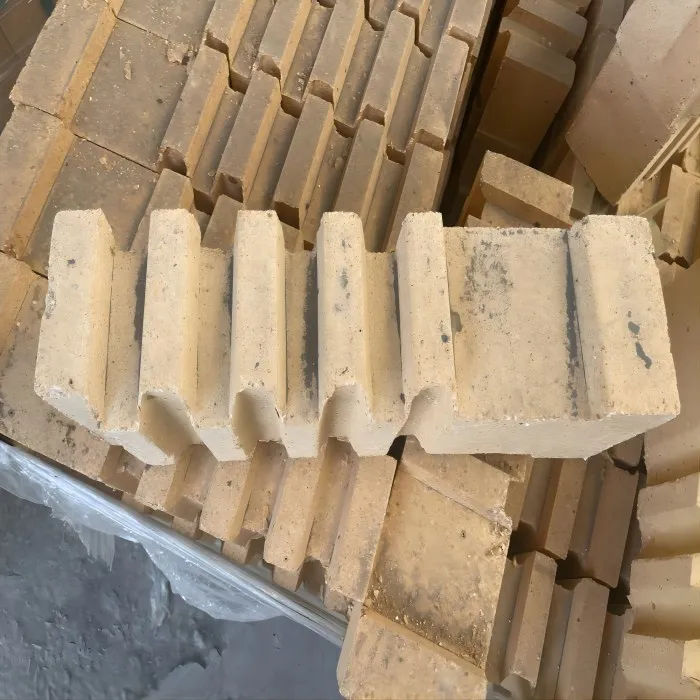
Refractory Anchor Brick is a type of specialized fire brick that is designed to be anchored to the furnace wall. These bricks are often used in applications where a strong and secure lining is required. Their unique design allows for easy installation and provides additional support to the furnace lining.
Longevity
Due to their high - temperature resistance, chemical resistance, and mechanical strength, fire bricks have a long service life. This is a significant advantage for industries as it reduces the frequency of replacement and maintenance. In a glass manufacturing plant, the fire bricks used in the glass melting furnace can last for several years before they need to be replaced. This long service life not only saves on material costs but also reduces the downtime associated with furnace repairs and brick replacements.
In conclusion, the strengths of fire bricks, including high - temperature resistance, thermal insulation, chemical resistance, mechanical strength, versatility, and longevity, make them an ideal choice for a wide range of high - temperature applications. If you're in an industry that requires high - performance refractory materials, I encourage you to consider our fire bricks. Our team of experts can help you select the right type of fire brick for your specific needs. Whether you're building a new furnace, upgrading an existing one, or looking for a reliable refractory solution, we're here to assist you. Contact us today to start a discussion about your fire brick requirements and let's work together to find the best solution for your business.
References
- "Refractory Materials Handbook" by John Doe
- "High - Temperature Technology and Applications" by Jane Smith
- Industry reports on steelmaking, glass manufacturing, and cement production