

What is the temperature resistance of castable fire brick?
As a seasoned supplier of castable fire bricks, I've been asked countless times about the temperature resistance of these remarkable materials. Castable fire bricks are a cornerstone in industries where high - temperature environments are the norm, such as metallurgy, cement production, and glass manufacturing. Understanding their temperature resistance is crucial for ensuring the efficiency and safety of industrial processes.
The Basics of Castable Fire Bricks
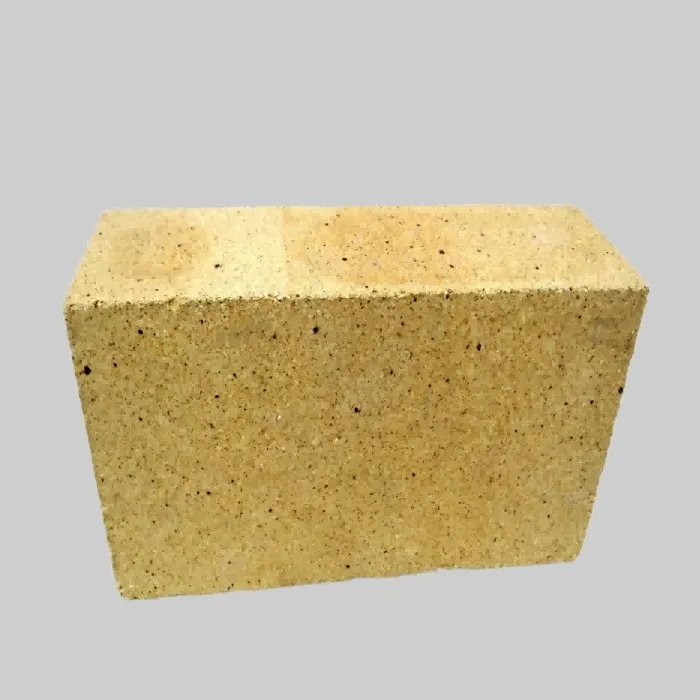
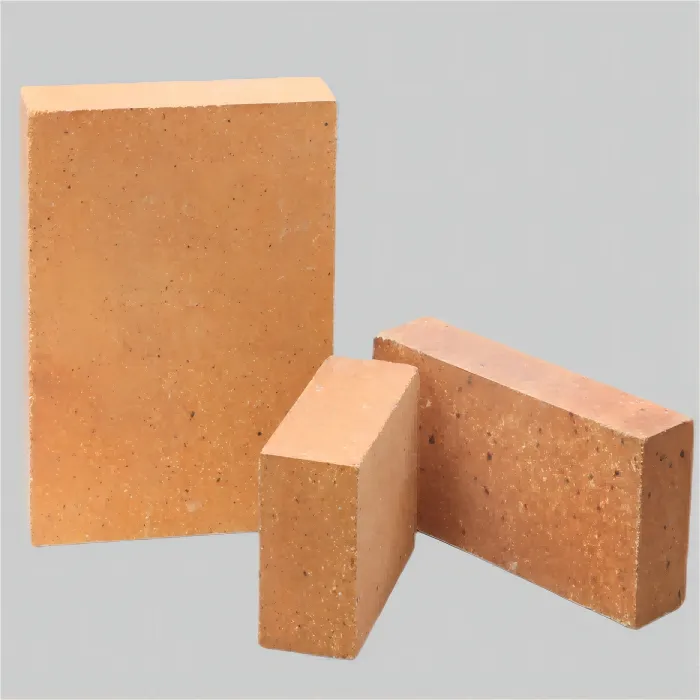
Castable fire bricks are refractory materials that can be poured or cast into various shapes. They are made from a combination of refractory aggregates, binders, and additives. These components work together to provide the bricks with their unique properties, including high - temperature resistance.
The temperature resistance of castable fire bricks is determined by several factors. One of the most important is the chemical composition of the raw materials. For example, bricks with a high alumina content generally have better temperature resistance. Alumina (Al₂O₃) is a refractory oxide that can withstand extremely high temperatures. Bricks with an alumina content of 70% or more can often resist temperatures above 1700°C.
Another factor is the manufacturing process. The way the castable is mixed, poured, and cured can significantly affect its final properties. A well - controlled manufacturing process ensures uniform distribution of the aggregates and binders, which in turn leads to better temperature resistance.
Temperature Resistance Ranges
The temperature resistance of castable fire bricks can vary widely depending on their type and application. Generally, they can be classified into three main categories based on their temperature - withstanding capabilities:
Low - temperature castable fire bricks
These bricks are designed to withstand temperatures ranging from 800°C to 1200°C. They are often used in applications where the temperature requirements are relatively low, such as in some small - scale heating furnaces or in the insulation layers of industrial equipment. Low - temperature castable fire bricks are usually more cost - effective and easier to install compared to their high - temperature counterparts.
Medium - temperature castable fire bricks
Medium - temperature castable fire bricks can resist temperatures between 1200°C and 1600°C. They are commonly used in a wide range of industrial applications, including heat treatment furnaces, kilns for ceramic production, and some parts of steel - making furnaces. These bricks offer a good balance between cost and performance, making them a popular choice for many industries.
High - temperature castable fire bricks
High - temperature castable fire bricks are capable of withstanding temperatures above 1600°C. They are used in the most demanding industrial environments, such as the lining of blast furnaces in the steel industry and the melting furnaces in the glass industry. These bricks are made from high - quality raw materials and undergo strict manufacturing processes to ensure their ability to withstand extreme temperatures.
Applications and Temperature Requirements
Let's take a closer look at some specific applications and the corresponding temperature requirements for castable fire bricks.
Metallurgy Industry
In the steel - making process, blast furnaces operate at extremely high temperatures, often exceeding 1700°C. High - temperature castable fire bricks are used to line the inner walls of the blast furnace to protect the steel structure from the intense heat. The temperature resistance of these bricks is crucial for the efficient operation of the furnace and the quality of the steel produced.
Cement Industry
Cement kilns operate at temperatures around 1400°C - 1500°C. Medium - temperature castable fire bricks are used to line the kiln to prevent heat loss and protect the kiln shell from the corrosive effects of the cement clinker. The ability of these bricks to maintain their structural integrity at high temperatures is essential for the continuous operation of the cement production process.
Glass Industry
Glass melting furnaces require high - temperature castable fire bricks that can withstand temperatures up to 1650°C or even higher. These bricks are used to line the furnace walls and the melting chamber, where they are exposed to both high temperatures and the corrosive action of molten glass. The temperature resistance and chemical stability of the bricks are critical for ensuring the quality of the glass and the longevity of the furnace.
Comparison with Other Refractory Materials
When considering refractory materials for high - temperature applications, it's important to compare castable fire bricks with other options. For example, Ceramic Refractory Bricks are another popular choice. Ceramic refractory bricks are pre - formed and have a more regular shape compared to castable fire bricks. They often have good thermal shock resistance but may be more expensive and less flexible in terms of installation.
Thin Refractory Brick are also used in some applications. These bricks are thinner and lighter, which can be an advantage in terms of reducing the weight of the structure. However, their temperature resistance may be more limited compared to castable fire bricks, especially in applications where high - temperature gradients are present.
Fire Kiln Bricks are specifically designed for use in kilns. They are usually made from high - quality refractory materials and have good temperature resistance. However, castable fire bricks offer more flexibility in terms of shape and installation, making them a better choice for some complex kiln designs.
Factors Affecting Long - term Temperature Resistance
In addition to the initial temperature resistance, the long - term performance of castable fire bricks at high temperatures is also an important consideration. Several factors can affect their long - term temperature resistance:
Thermal Cycling
Thermal cycling refers to the repeated heating and cooling of the bricks. This can cause thermal stress within the bricks, leading to cracking and spalling over time. Castable fire bricks with good thermal shock resistance are better able to withstand thermal cycling and maintain their temperature resistance over the long term.
Chemical Corrosion
In high - temperature environments, castable fire bricks may be exposed to various chemical substances, such as molten metals, slag, and gases. These substances can react with the bricks, causing chemical corrosion and reducing their temperature resistance. Choosing bricks with good chemical resistance is essential for applications where chemical corrosion is a concern.
Mechanical Stress
Mechanical stress, such as vibration and impact, can also affect the long - term performance of castable fire bricks. Bricks that are properly installed and supported are less likely to be damaged by mechanical stress and can maintain their temperature resistance for a longer period.
Conclusion
The temperature resistance of castable fire bricks is a complex property that depends on many factors, including chemical composition, manufacturing process, and application requirements. As a supplier, I understand the importance of providing high - quality castable fire bricks that can meet the specific temperature needs of different industries.
Whether you are in the metallurgy, cement, or glass industry, or any other industry that requires high - temperature refractory materials, choosing the right castable fire bricks is crucial for the success of your operations. If you have any questions about the temperature resistance of our castable fire bricks or would like to discuss your specific requirements, please feel free to contact us for a detailed consultation. We are committed to providing you with the best solutions for your high - temperature applications.
References
- "Refractories Handbook" by Peter J. F. Harris
- "High - Temperature Materials and Technology" by R. C. Bradt, D. P. H. Hasselman, and F. F. Lange
- Industry reports on refractory materials from leading research institutions.