

As a trusted slide gate plate supplier, I understand the pivotal role these components play in the steelmaking and metallurgical industries. Slide gate plates are crucial for controlling the flow of molten metal during the casting process, ensuring precision and efficiency. However, to maintain their optimal performance and longevity, proper maintenance is essential. In this blog post, I will delve into the various maintenance requirements for slide gate plates, providing valuable insights for industry professionals.
Understanding Slide Gate Plates
Before we discuss maintenance, it's important to have a basic understanding of slide gate plates. Slide gate plates are made from high - quality refractory materials, which are designed to withstand the extreme temperatures and harsh chemical environments of molten metal handling. There are different types of slide gate plates, including those used in Slide Gate Refractories and Slide Gate Plate Refractories, each tailored to specific applications in the Ladle Slide Gate system.
Pre - installation Maintenance
The maintenance of slide gate plates begins even before they are installed. When receiving the slide gate plates from the supplier, a thorough inspection is necessary. Check for any visible cracks, chips, or other damage on the surface of the plates. Any defective plates should be immediately returned to the supplier for replacement.
It is also important to store the slide gate plates properly. They should be stored in a dry and clean environment to prevent moisture absorption, which can weaken the refractory material. Stacking the plates carefully to avoid any mechanical stress is crucial. If possible, use dedicated storage racks to keep the plates in an upright position, minimizing the risk of damage.
Installation Considerations
Proper installation is a key part of long - term maintenance. Ensure that the installation surface is flat, clean, and free of any debris. Any unevenness in the installation surface can lead to uneven stress distribution on the slide gate plate during operation, increasing the risk of cracking.
During installation, use the appropriate gasket materials to ensure a proper seal. The gasket should be compatible with the high - temperature environment and the molten metal being handled. Incorrect gasket selection can result in leakage of molten metal, which not only poses a safety hazard but also damages the slide gate plate.
Regular Inspection during Operation
Once the slide gate plates are in operation, regular inspections should be carried out. Visual inspections can help detect any signs of wear, erosion, or corrosion on the surface of the plates. Look for changes in color, which may indicate overheating or chemical reactions with the molten metal.

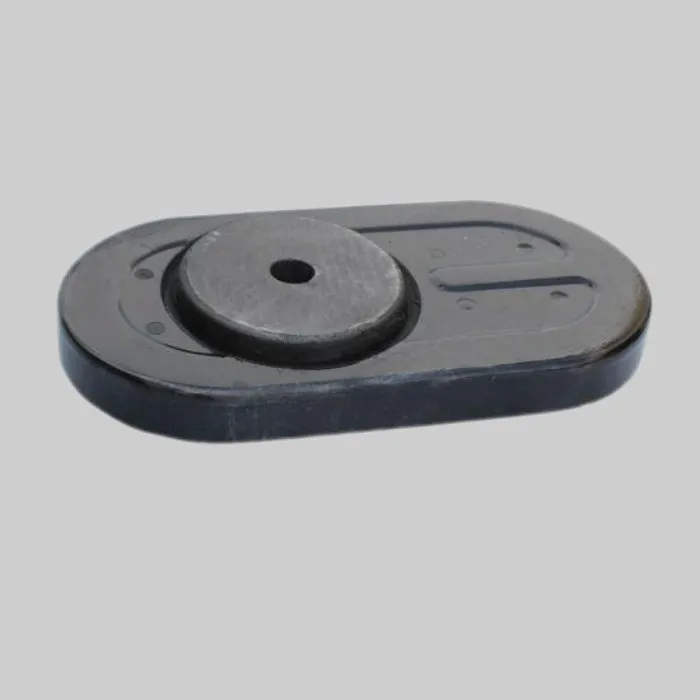
Measure the thickness of the slide gate plate periodically. As the plate wears during use, its thickness will decrease. When the thickness reaches a critical level, the plate should be replaced to prevent failure. This measurement can be done using non - destructive testing methods such as ultrasonic thickness gauges.
Check the sliding mechanism of the slide gate plate. Ensure that it moves smoothly without any jamming. Lubricate the sliding parts regularly using high - temperature lubricants to reduce friction and wear. A malfunctioning sliding mechanism can lead to improper control of the molten metal flow and cause damage to the plate.
Cleaning and Descaling
Over time, deposits of molten metal and slag can accumulate on the surface of the slide gate plate. These deposits can affect the performance of the plate and cause uneven wear. Regular cleaning is necessary to remove these deposits.
Use appropriate cleaning tools, such as wire brushes or scrapers, to remove the loose deposits. For more stubborn deposits, chemical cleaning agents can be used, but they should be carefully selected to ensure they do not damage the refractory material. After cleaning, rinse the plate thoroughly to remove any remaining cleaning agents.
Descaling is also an important part of maintenance. Scale can form on the surface of the slide gate plate due to oxidation at high temperatures. Descaling can be achieved through mechanical methods, such as grinding or sandblasting. However, care must be taken not to damage the surface of the plate during the descaling process.
Post - operation Maintenance
After the casting process is completed, the slide gate plates should be removed carefully. Inspect them again for any damage that may have occurred during operation. If the plates are reusable, clean them as described above and store them properly for future use.
If the plates are no longer usable, they should be disposed of in an environmentally friendly manner. Refractory waste management is an important aspect of the industry, and proper disposal methods should be followed to minimize the impact on the environment.
Training and Operator Awareness
Operator training is an important part of slide gate plate maintenance. Operators should be educated on the proper operation of the slide gate system, including how to control the flow of molten metal accurately. They should also be trained to recognize the signs of potential problems during operation and know the correct procedures for maintenance and emergency shutdown.
High - temperature and Chemical Resistance
Slide gate plates are exposed to extremely high temperatures and harsh chemical environments. To maintain their performance, it is important to choose the right refractory materials with high - temperature and chemical resistance. Some advanced refractory materials can better withstand the corrosive effects of molten metal and slag, reducing the rate of wear and erosion.
Monitoring and Data Analysis
Implement a monitoring system to collect data on the performance of the slide gate plates. This can include data on temperature, pressure, and the number of operation cycles. Analyzing this data can help predict when a slide gate plate is likely to fail and plan for timely replacement.
Importance of Spare Parts
Maintaining an inventory of spare slide gate plates and related components is crucial. In case of sudden failure of a slide gate plate during operation, having a spare part on hand can minimize downtime and ensure the continuity of the production process. The spare parts should be stored under the same proper conditions as the new slide gate plates.
Contact for Procurement
If you are in the market for high - quality slide gate plates or have any questions about their maintenance, I encourage you to reach out to us. We are a leading slide gate plate supplier with a wealth of experience and expertise in the industry. Our team of professionals can provide you with customized solutions and excellent after - sales service. Whether you need help with product selection, installation, or maintenance, we are here to assist you.
References
- "Refractories Handbook" by the American Ceramic Society.
- "Steelmaking and Refining Processes" by G. Thomas and J. G. Morral.
- Industry standards and guidelines for slide gate plate manufacturing and maintenance.