

Fire bricks, also known as refractory bricks, are a crucial component in many high - temperature industrial applications. As a fire brick supplier, I often encounter the question: "Are fire bricks fireproof?" In this blog, I will delve into this topic from a scientific perspective, exploring the properties, limitations, and types of fire bricks to provide a comprehensive answer.
Understanding Fireproofing
Before we discuss whether fire bricks are fireproof, it's essential to understand what "fireproof" means. In a strict sense, fireproof implies complete immunity to fire, meaning a material can withstand any amount of heat without undergoing any changes in its physical or chemical properties. However, in practical terms, no material is truly 100% fireproof. When we say a material is fireproof, we usually mean it has high resistance to heat, can maintain its structural integrity at elevated temperatures, and does not readily catch fire or release harmful substances when exposed to flames.
The Science Behind Fire Bricks
Fire bricks are made from special refractory materials that have high melting points and low thermal conductivity. These materials can withstand extreme heat and thermal shock, making them suitable for use in environments where ordinary bricks would quickly fail. Common raw materials for fire bricks include clay, alumina, silica, and magnesia. Each of these materials has unique properties that contribute to the overall performance of the fire brick.
Clay - based fire bricks are some of the most commonly used types. They are made from a mixture of clay and other additives, which are then fired at high temperatures to form a hard, dense brick. Clay fire bricks have good insulation properties and can withstand temperatures up to around 1,600°C (2,912°F).
Alumina - rich fire bricks, such as Corundum Mullite Brick and Corundum Brick, offer even higher heat resistance. Corundum, which is a crystalline form of aluminum oxide, has a very high melting point of around 2,054°C (3,729°F). These bricks are often used in applications where extremely high temperatures are involved, such as in steelmaking furnaces and high - temperature kilns.
Silica - based fire bricks are known for their excellent thermal shock resistance. They can withstand rapid changes in temperature without cracking or breaking. Silicon Carbide Rubbing Brick is another type that contains silicon carbide, which has high thermal conductivity and abrasion resistance. These bricks are commonly used in areas where there is a lot of wear and tear, such as in the linings of blast furnaces.
Fire Resistance of Fire Bricks
So, are fire bricks fireproof? The answer is yes and no. Fire bricks are designed to be highly resistant to fire and can withstand very high temperatures for extended periods. However, they do have their limits.
Under normal operating conditions, fire bricks can perform their function effectively. For example, in a domestic fireplace, fire bricks can protect the surrounding structure from the intense heat of the fire. They act as a barrier, preventing the heat from spreading and reducing the risk of fire damage. In industrial settings, such as in glassmaking or cement production, fire bricks line the furnaces and kilns, allowing these processes to occur at high temperatures without damaging the equipment.
However, if the temperature exceeds the maximum rated temperature of the fire brick, it will start to degrade. At extremely high temperatures, the brick may soften, melt, or even react chemically with other substances in the environment. For instance, in a severe industrial accident where there is a sudden spike in temperature, the fire bricks may fail, leading to a loss of containment and potential safety hazards.
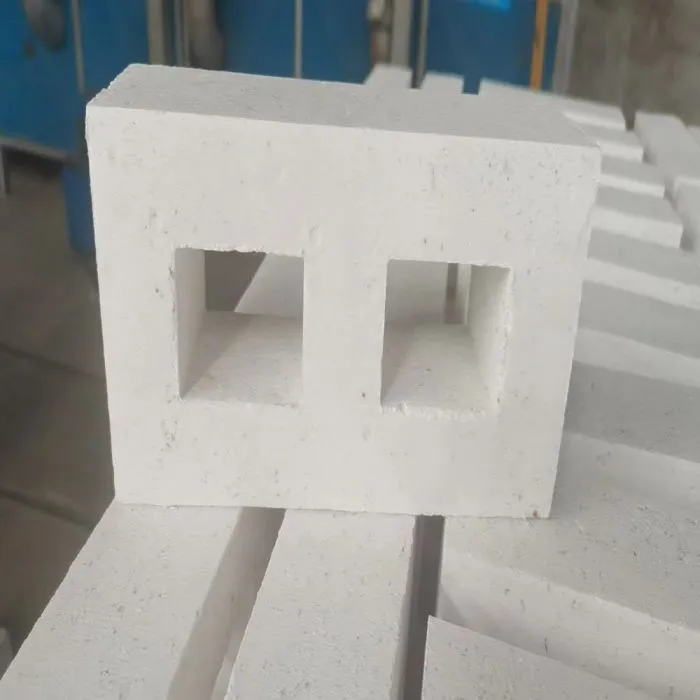
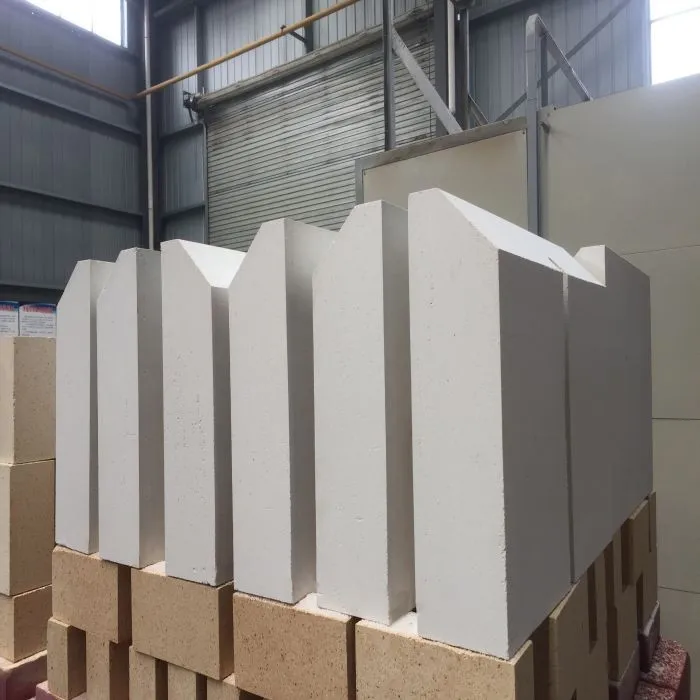
Another factor that can affect the fire resistance of fire bricks is thermal shock. If a fire brick is exposed to rapid and extreme changes in temperature, it can crack or break. This is because different parts of the brick expand or contract at different rates, causing internal stresses that can lead to failure. To mitigate this risk, special types of fire bricks with high thermal shock resistance are used in applications where temperature fluctuations are common.
Applications of Fire Bricks
Fire bricks have a wide range of applications across various industries. Here are some of the most common ones:
- Metallurgy: In the steel and iron industries, fire bricks are used to line blast furnaces, converters, and ladles. They can withstand the high temperatures generated during the smelting and refining processes, protecting the equipment from damage and ensuring efficient operation.
- Ceramics and Glass: Kilns used for firing ceramics and melting glass require fire bricks to maintain a stable and high - temperature environment. The fire bricks help to control the heat distribution and prevent heat loss, resulting in high - quality products.
- Power Generation: In power plants, fire bricks are used in boilers and incinerators. They can withstand the high temperatures and corrosive gases produced during the combustion of fossil fuels or waste materials, ensuring the safe and efficient operation of the power generation equipment.
- Domestic Use: Fireplaces and wood - burning stoves in homes often use fire bricks to line the interior. These bricks not only protect the surrounding structure from heat but also improve the efficiency of the fireplace by reflecting heat back into the room.
Maintaining Fire Bricks
To ensure the long - term performance of fire bricks, proper maintenance is essential. Regular inspections should be carried out to check for signs of damage, such as cracks, spalling, or erosion. If any damage is detected, the affected bricks should be replaced promptly to prevent further deterioration.
In addition, the operating conditions should be carefully monitored. The temperature, pressure, and chemical environment should be kept within the recommended range for the specific type of fire brick. For example, in an industrial furnace, the fuel composition and combustion process should be optimized to minimize the formation of corrosive substances that can damage the fire bricks.
Conclusion
In conclusion, while fire bricks are not truly fireproof in the strictest sense, they are highly fire - resistant materials that play a vital role in many high - temperature applications. Their ability to withstand extreme heat, thermal shock, and chemical corrosion makes them indispensable in industries such as metallurgy, ceramics, and power generation.
As a fire brick supplier, I am committed to providing high - quality fire bricks that meet the specific needs of our customers. Whether you are looking for a fire brick for a small domestic fireplace or a large - scale industrial furnace, we have a wide range of products to choose from. If you have any questions or need more information about our fire bricks, please feel free to contact us for a detailed discussion. We are ready to assist you in finding the best fire brick solution for your application.
References
- "Refractories Handbook" - A comprehensive guide to the properties and applications of refractory materials.
- Industry research reports on the fire brick market, which provide insights into the latest trends and technologies in the field.
- Technical papers from academic institutions and research organizations on the science of fire resistance and the development of new fire brick materials.