

CCM refractories, short for continuous casting machine refractories, play a pivotal role in the steelmaking industry. As a prominent CCM refractories supplier, I've encountered numerous inquiries regarding the lifespan of these crucial components. In this blog post, I'll delve into the factors influencing the lifespan of CCM refractories and offer insights to help you optimize their usage.
Understanding CCM Refractories
CCM refractories are specialized materials designed to withstand the extreme conditions of continuous casting processes. They are used in various parts of the continuous casting machine, including the Ladle Shroud, Monolithic Stopper, and Subentry Nozzle. These refractories are exposed to high temperatures, molten metal, and chemical reactions, making their durability a critical factor in the efficiency and quality of steel production.
Factors Affecting the Lifespan of CCM Refractories
1. Material Quality
The quality of the refractory material is the most fundamental factor influencing its lifespan. High - quality refractories are made from superior raw materials with excellent thermal stability, chemical resistance, and mechanical strength. For example, refractories containing high - purity alumina or magnesia tend to have better performance and longer lifespans compared to those with lower - grade materials. These high - quality materials can withstand the harsh conditions of continuous casting without significant degradation.
2. Operating Conditions
The operating conditions in a steel plant have a profound impact on the lifespan of CCM refractories. Temperature is one of the most critical factors. Higher temperatures can accelerate the chemical reactions and physical changes within the refractories, leading to faster wear and tear. Additionally, the flow rate and composition of the molten metal also matter. Molten metals with high sulfur or phosphorus content can be more corrosive to refractories, reducing their lifespan. The frequency of start - up and shut - down operations can also cause thermal shock to the refractories, which may lead to cracking and premature failure.
3. Installation and Maintenance
Proper installation is essential for ensuring the long - term performance of CCM refractories. Incorrect installation can lead to uneven stress distribution, which may cause cracks and spalling. For example, if the refractory bricks are not properly aligned or the joints are not sealed correctly, molten metal can penetrate the joints, causing damage. Regular maintenance is also crucial. Inspections should be carried out to detect any signs of wear, corrosion, or damage early. Minor issues can be addressed promptly to prevent them from escalating into major problems. Routine cleaning and repair of the refractories can significantly extend their lifespan.
Lifespan Estimates for Different CCM Refractories
Ladle Shroud
The Ladle Shroud is used to protect the molten steel stream from oxidation and contamination during the transfer from the ladle to the tundish. Under normal operating conditions, a high - quality ladle shroud can last for 5 - 10 casting heats. However, in some cases where the operating conditions are more severe, such as high - temperature casting or the use of corrosive molten metal, the lifespan may be reduced to 2 - 3 casting heats.
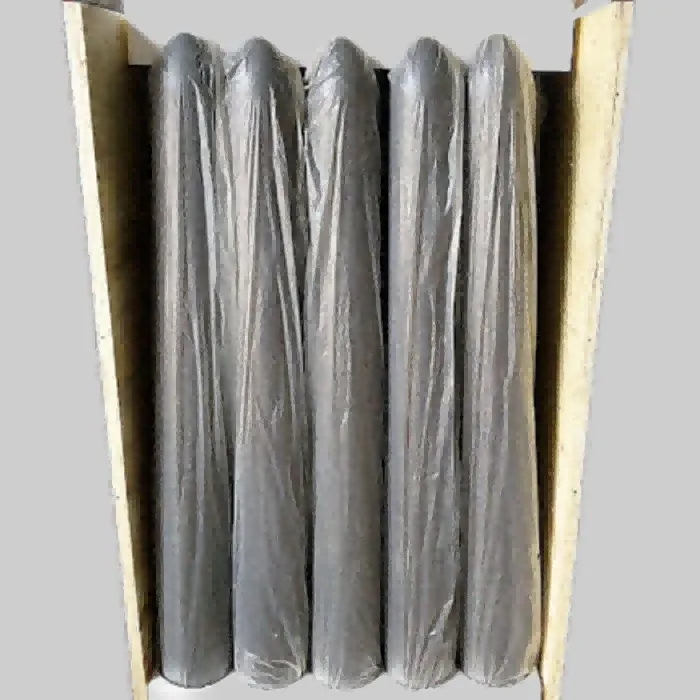
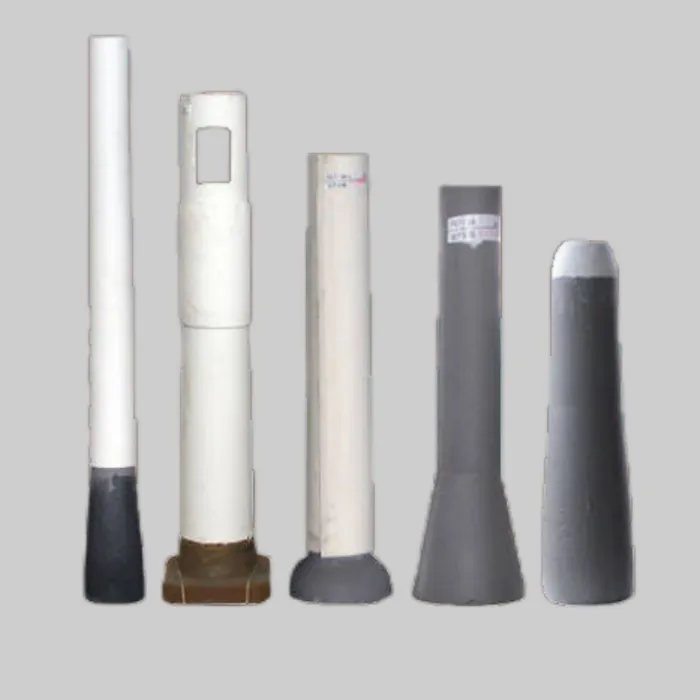
Monolithic Stopper
The Monolithic Stopper is used to control the flow of molten steel from the tundish to the mold. Its lifespan typically ranges from 10 - 20 casting heats. The stopper is exposed to both the high - temperature molten metal and the mechanical stress from the flow control mechanism. With proper maintenance and under favorable operating conditions, it can achieve the upper end of this lifespan range. However, if the stopper is subject to excessive mechanical wear or chemical corrosion, its lifespan may be significantly shortened.
Subentry Nozzle
The Subentry Nozzle is responsible for guiding the molten steel into the mold. Its lifespan is usually around 5 - 15 casting heats. The performance of the subentry nozzle is affected by factors such as the shape of the nozzle, the flow pattern of the molten metal, and the interaction with the mold powder. A well - designed and properly maintained subentry nozzle can last longer, while those exposed to abnormal flow conditions or aggressive mold powders may have a shorter lifespan.
Strategies to Extend the Lifespan of CCM Refractories
Material Selection
As a CCM refractories supplier, I always recommend choosing high - quality refractories based on the specific operating conditions of your steel plant. Conducting a detailed analysis of the temperature, molten metal composition, and other factors can help in selecting the most suitable refractory materials. For example, if your plant deals with highly corrosive molten metals, refractories with high - chromium content may be a better choice.
Process Optimization
Optimizing the continuous casting process can also help extend the lifespan of CCM refractories. This includes controlling the temperature of the molten metal within a reasonable range, adjusting the flow rate to reduce the impact on the refractories, and minimizing the frequency of start - up and shut - down operations. Additionally, using additives or fluxes to modify the properties of the molten metal can reduce its corrosiveness to the refractories.
Training and Education
Providing training to the steel plant operators is crucial. Operators should be educated on the proper installation, operation, and maintenance of CCM refractories. They should know how to detect early signs of wear and damage and take appropriate measures. For example, they should be trained to recognize the symptoms of thermal shock or chemical corrosion and know when to replace the refractories to avoid production disruptions.
Conclusion
The lifespan of CCM refractories is influenced by a variety of factors, including material quality, operating conditions, and installation and maintenance. As a CCM refractories supplier, I understand the importance of providing high - quality products and offering comprehensive solutions to our customers. By carefully considering these factors and implementing the strategies mentioned above, steel plants can significantly extend the lifespan of their CCM refractories, reduce costs, and improve the overall efficiency of their production processes.
If you are interested in learning more about CCM refractories or are looking to purchase high - quality refractories for your steel plant, please feel free to contact us. We are committed to providing you with the best products and services to meet your specific needs.
References
- "Handbook of Refractory Technology" by David W. Richerson.
- "Continuous Casting of Steel" by John F. Wallace.
- Industry reports on steelmaking and refractory materials from leading research institutions.