

Hey there! As a supplier of monolithic stoppers, I often get asked this burning question: “Are monolithic stoppers reusable?” Today, I'm gonna dive deep into this topic and share some insights based on my experience in the industry.
First off, let's understand what monolithic stoppers are. Monolithic stoppers are crucial components in the continuous casting process of steel. They're used to control the flow of molten steel from the tundish to the mold. These stoppers are made from high - quality refractory materials, designed to withstand extremely high temperatures and the harsh chemical environment of molten steel.
Now, onto the big question: reusability. Whether monolithic stoppers can be reused depends on several factors. One of the most important factors is the wear and tear they experience during use. When a monolithic stopper is in contact with molten steel, it goes through a lot. The high - temperature molten steel can erode the stopper material, and the constant flow of the steel can cause mechanical abrasion.
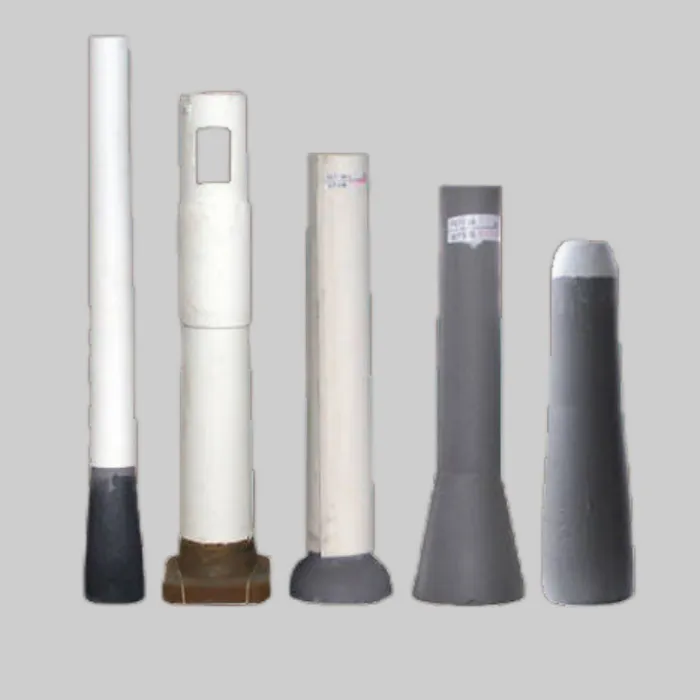
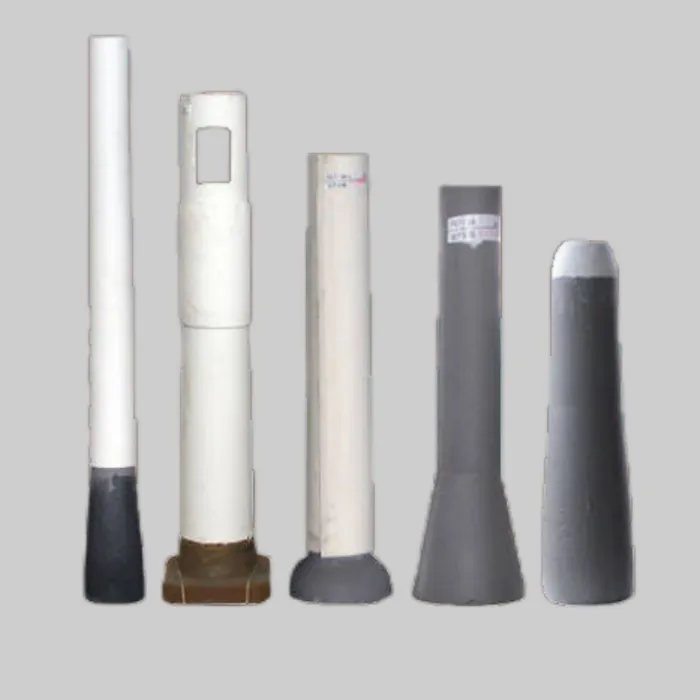
If the wear is minimal, there's a good chance the stopper can be reused. For example, in some cases where the casting process is well - controlled, and the steel has a relatively low reactivity with the stopper material, the stopper might only experience surface wear. In such situations, we can perform some simple reconditioning steps. This could involve grinding the worn surface to restore its original shape and dimensions. Once reconditioned, the stopper can be put back into service.
However, if the wear is severe, reusing the stopper might not be a good idea. Severe wear can compromise the structural integrity of the stopper. A damaged stopper may not be able to control the flow of molten steel accurately, which can lead to problems in the casting process. For instance, it could cause uneven flow, resulting in defects in the final steel product. In extreme cases, a severely worn stopper could even break during use, which is a major safety hazard.
Another factor to consider is the chemical reaction between the stopper and the molten steel. Different types of steel contain various alloying elements, and some of these elements can react with the stopper material. This chemical reaction can cause the stopper to degrade over time. For example, if the steel has a high sulfur content, it can react with the refractory material of the stopper, leading to corrosion. In such cases, even if the wear seems minimal, the chemical degradation might make the stopper unfit for reuse.
Let's talk about the economic aspect. Reusing monolithic stoppers can be cost - effective. Manufacturing a new stopper involves raw materials, labor, and energy costs. By reusing a stopper, we can save on these expenses. But we also need to factor in the cost of reconditioning. If the reconditioning process is too complex or expensive, it might not be worth reusing the stopper.
Now, I'd like to mention some related products in the continuous casting process. There are Well Blcok and Subentry Nozzle (also known as Sub Entry Nozzle). These components work in conjunction with the monolithic stopper. The Well Block is used to support the stopper and ensure a proper seal, while the Subentry Nozzle helps in guiding the molten steel from the tundish to the mold. Just like the monolithic stopper, the reusability of these components also depends on wear, chemical reactions, and economic factors.
In conclusion, monolithic stoppers can be reusable, but it really depends on the specific circumstances of their use. We need to carefully assess the wear, chemical degradation, and the cost - effectiveness of reconditioning. If you're in the steel - making industry and are looking for high - quality monolithic stoppers or need advice on their reusability, I'd love to have a chat with you. Whether you're considering new stoppers or want to explore the option of reusing your existing ones, I can provide you with the expertise and products you need. Reach out to me, and let's start a conversation about how we can optimize your continuous casting process.
References
- “Refractory Materials in Steelmaking” - A technical guide on the use of refractory components in the steel industry.
- Industry reports on continuous casting process optimization and component reuse.