

As a supplier of slide gate plates, one question I often encounter from customers is whether slide gate plates are corrosion-resistant. This is a crucial inquiry, considering the demanding environments in which these components operate. In this blog post, I'll delve into the corrosion resistance of slide gate plates, exploring the factors involved, the materials used, and how to ensure their long - term performance.
Understanding the Operating Environment of Slide Gate Plates
Slide gate plates play a vital role in the steelmaking and other high - temperature industrial processes. They are used in Ladle Slide Gate systems to control the flow of molten metal from ladles to tundishes or molds. The operating conditions are extremely harsh. The plates are exposed to molten metals at temperatures often exceeding 1500°C, along with slag, which is a by - product of the steel - making process. Slag is highly corrosive, containing various oxides, sulfides, and other chemical compounds that can react with the surface of the slide gate plates.
Factors Affecting Corrosion Resistance
-
Material Composition
The choice of material for slide gate plates is fundamental to their corrosion resistance. Common materials include alumina, zirconia, magnesia, and carbon - based refractories. Each material has its own set of properties that determine how well it can withstand corrosion.- Alumina - based refractories: Alumina is a widely used material in slide gate plates due to its high melting point, good thermal shock resistance, and relatively low cost. However, its corrosion resistance can be affected by the composition of the slag. In slags with high silica content, alumina can react to form low - melting - point compounds, which can lead to erosion of the plate surface.
- Zirconia - based refractories: Zirconia has excellent corrosion resistance, especially against basic slags. It has a high melting point and good chemical stability. Zirconia - containing slide gate plates are often used in applications where the slag has a high basicity.
- Magnesia - based refractories: Magnesia is another material known for its resistance to basic slags. It forms a protective layer on the surface when in contact with slag, which helps to prevent further corrosion. However, magnesia can be prone to thermal shock, so it is often combined with other materials to improve its overall performance.
- Carbon - based refractories: Carbon - containing materials, such as graphite - bonded refractories, offer good thermal conductivity and resistance to metal penetration. The carbon acts as a barrier against the molten metal and can also enhance the thermal shock resistance of the plate. However, carbon can be oxidized at high temperatures in the presence of oxygen, which can reduce its effectiveness over time.
-
Slag Chemistry
The chemical composition of the slag is a major factor in determining the corrosion rate of slide gate plates. Slags can be classified as acidic, basic, or neutral, depending on their chemical composition. Acidic slags, which are rich in silica, can react with basic refractories such as magnesia. On the other hand, basic slags, which contain high levels of calcium oxide and magnesium oxide, can corrode acidic refractories like alumina. Understanding the slag chemistry in a particular steel - making process is essential for selecting the appropriate slide gate plate material. -
Temperature and Time
The high temperatures in the steel - making process accelerate chemical reactions between the slide gate plates and the slag or molten metal. Prolonged exposure to high temperatures can also cause structural changes in the refractory material, such as grain growth and phase transformations, which can reduce its corrosion resistance. The longer the plate is in contact with the corrosive media, the greater the extent of corrosion.
Assessing Corrosion Resistance
To determine the corrosion resistance of slide gate plates, several testing methods are commonly used.
- Static Corrosion Tests
In static corrosion tests, a sample of the slide gate plate material is immersed in a crucible filled with molten slag or metal at a specific temperature for a set period. After the test, the sample is removed, and the extent of corrosion is measured by weighing the sample before and after the test or by analyzing the microstructure of the corroded layer using techniques such as scanning electron microscopy (SEM) and energy - dispersive X - ray spectroscopy (EDS). - Dynamic Corrosion Tests
Dynamic corrosion tests simulate the actual operating conditions more closely. In these tests, the slide gate plate sample is exposed to a flowing stream of molten slag or metal. This type of test takes into account the effects of erosion in addition to corrosion. The sample is then evaluated using similar methods as in static tests.
Improving Corrosion Resistance
- Material Selection and Design
As mentioned earlier, choosing the right material based on the slag chemistry and operating conditions is crucial. In addition, the design of the slide gate plate can also affect its corrosion resistance. For example, using a multi - layer design, where different materials are used in different layers, can provide better protection. The outer layer can be made of a material with high corrosion resistance, while the inner layer can be designed to provide mechanical strength and thermal shock resistance. - Surface Treatments
Surface treatments can be applied to the slide gate plates to improve their corrosion resistance. Coating the plate with a protective layer, such as a ceramic coating, can act as a barrier between the plate and the corrosive media. The coating can be designed to have specific properties, such as high chemical stability and low reactivity with the slag or molten metal. - Proper Installation and Maintenance
Proper installation of the slide gate plates is essential to ensure their long - term performance. Any gaps or misalignments can allow the molten metal or slag to penetrate, leading to accelerated corrosion. Regular maintenance, including inspection of the plates for signs of wear and corrosion, and timely replacement of damaged plates, can also help to extend their service life.
Our Offerings as a Slide Gate Plate Supplier
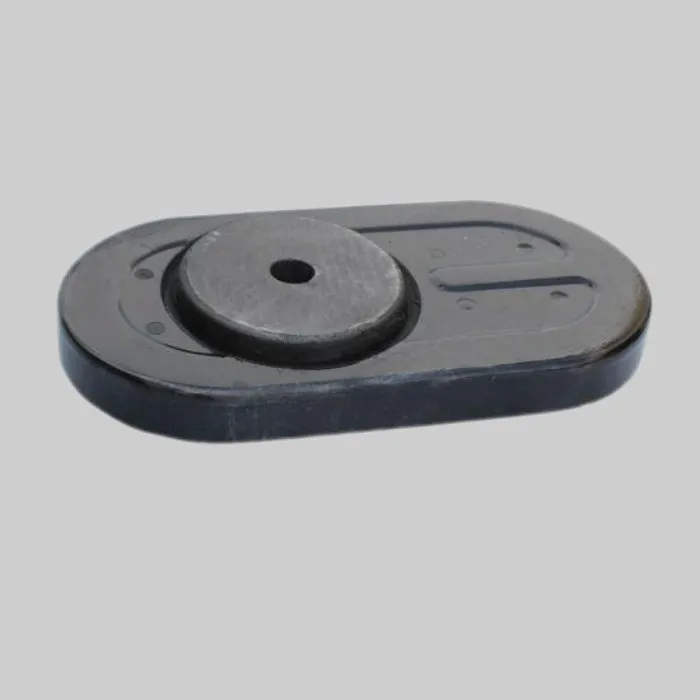
At our company, we understand the importance of corrosion resistance in slide gate plates. We offer a wide range of Slide Gate Plate Refractories and Slide Gate Refractories that are carefully designed and manufactured to meet the specific needs of our customers. Our technical team works closely with customers to analyze their operating conditions, including slag chemistry and temperature profiles, to recommend the most suitable slide gate plate materials.
We use advanced manufacturing processes to ensure the quality and consistency of our products. Our slide gate plates are tested rigorously using both static and dynamic corrosion tests to guarantee their performance. In addition, we offer surface treatment options to enhance the corrosion resistance of our plates.

Conclusion
In conclusion, the corrosion resistance of slide gate plates is a complex issue that depends on multiple factors, including material composition, slag chemistry, temperature, and time. By understanding these factors and taking appropriate measures, such as proper material selection, surface treatments, and regular maintenance, the corrosion resistance of slide gate plates can be significantly improved.
If you are in the market for high - quality slide gate plates with excellent corrosion resistance, we invite you to contact us for a detailed discussion. Our team of experts is ready to assist you in finding the best solution for your specific requirements. Let's work together to ensure the smooth and efficient operation of your steel - making processes.
References
- "Refractories Handbook", CRC Press
- "Corrosion and Erosion of Refractories in Steelmaking Processes", Journal of the American Ceramic Society
- "Advanced Refractory Materials for High - Temperature Applications", Elsevier