

What is the color of azs block?
As a supplier of AZS blocks, I often encounter questions from customers about the color of these blocks. The color of AZS blocks is a topic that not only piques the curiosity of those in the industry but also has practical implications for various applications. In this blog post, I will delve into the factors that determine the color of AZS blocks, the significance of color in different contexts, and how it relates to the quality and performance of these products.
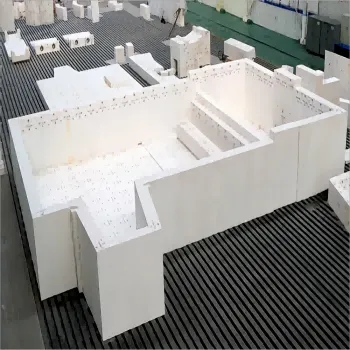
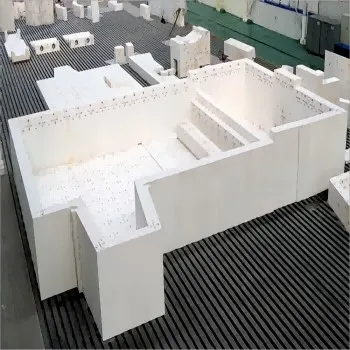
Understanding AZS Blocks
Before we discuss the color, let's briefly understand what AZS blocks are. AZS stands for Alumina - Zirconia - Silica. These blocks are made by fusing high - purity alumina (Al₂O₃), zirconia (ZrO₂), and silica (SiO₂) together at extremely high temperatures. The resulting material is highly resistant to corrosion, erosion, and thermal shock, making it an ideal choice for use in glass furnaces, steelmaking, and other high - temperature industrial processes.
Factors Affecting the Color of AZS Blocks
The color of AZS blocks can vary depending on several factors, including the chemical composition, the manufacturing process, and the presence of impurities.
Chemical Composition
The relative proportions of alumina, zirconia, and silica play a crucial role in determining the color. Generally, a higher content of zirconia can result in a lighter color. Zirconia has a white - like appearance, and when it is a significant component in the AZS block, it can contribute to a lighter overall color of the block. On the other hand, if the proportion of other elements or compounds changes, it can lead to color variations.
Manufacturing Process
The way the AZS blocks are manufactured also affects their color. The melting temperature, the cooling rate, and the atmosphere during the melting process can all have an impact. For example, if the melting temperature is not uniform throughout the batch, it can cause local variations in the crystal structure, which in turn can lead to color differences. A slower cooling rate may allow for more ordered crystal growth, which can sometimes result in a more consistent color.
Impurities
Even small amounts of impurities can have a significant effect on the color of AZS blocks. Trace elements such as iron, titanium, or chromium can introduce coloration. Iron impurities, for instance, can give the block a yellowish - brown tint. These impurities can come from the raw materials used in the manufacturing process or can be introduced during handling and processing.
Common Colors of AZS Blocks
AZS blocks can come in a range of colors, including white, off - white, yellowish - brown, and even black in some cases.
White and Off - White
White or off - white AZS blocks are often associated with high - purity materials and a well - controlled manufacturing process. These blocks typically have a relatively high zirconia content and low levels of impurities. They are commonly used in applications where high - quality and consistent performance are required, such as in the most critical parts of glass furnaces. You can find high - quality white AZS blocks like our Fused Cast Azs Block.
Yellowish - Brown
Yellowish - brown AZS blocks usually contain some iron impurities. While these impurities may not necessarily compromise the performance of the block in all applications, they can affect its appearance. These blocks are often used in less critical areas of industrial furnaces where the aesthetic aspect is not as important as the functional properties.
Black
Black AZS blocks are less common but can occur due to the presence of certain carbon - based impurities or specific crystal structures formed during the manufacturing process. These blocks may have unique properties and are sometimes used in specialized applications where their particular characteristics are beneficial.
Significance of Color in AZS Blocks
The color of AZS blocks can have both practical and aesthetic significance.
Practical Significance
In some cases, the color can be an indicator of the quality and performance of the block. For example, a consistent color throughout a batch of blocks may suggest a more uniform chemical composition and manufacturing process, which can lead to more predictable performance. In glass - making, the color of the AZS block can also affect the quality of the glass produced. If a block contains impurities that can leach into the glass melt, it can cause coloration or other defects in the final glass product.
Aesthetic Significance
Although the primary function of AZS blocks is in industrial applications, the aesthetic aspect can still be important in some cases. For example, in architectural glass applications where the glass is visible, the color of the AZS blocks used in the furnace can indirectly affect the appearance of the final glass product. Additionally, in some industrial settings, a more uniform and aesthetically pleasing color of the blocks can contribute to a better - organized and professional - looking workspace.
Our Offerings as an AZS Block Supplier
As a leading supplier of AZS blocks, we offer a wide range of products with different colors to meet the diverse needs of our customers. Our Zirconia Corundum Brick and Zirconium Corundum Brick are carefully manufactured to ensure high - quality and consistent performance. We have strict quality control measures in place to minimize the presence of impurities and to achieve a uniform color and chemical composition in our products.
Whether you need white, off - white, yellowish - brown, or other colored AZS blocks, we can provide you with the right solution for your specific application. Our team of experts can also offer advice on which type of block is most suitable for your needs based on factors such as the operating temperature, the corrosive environment, and the required performance.
Contact Us for Procurement
If you are interested in purchasing AZS blocks for your industrial applications, we invite you to contact us for a detailed discussion. We can provide you with samples, technical specifications, and competitive pricing. Our goal is to establish long - term partnerships with our customers by providing high - quality products and excellent customer service.
References
- "Handbook of Refractory Materials" - A comprehensive guide on the properties and applications of refractory materials, including AZS blocks.
- "Advanced Ceramics for High - Temperature Applications" - This book covers the latest research and developments in ceramic materials used in high - temperature environments, with relevant information on AZS block manufacturing and properties.
- Industry reports on the glass and steel manufacturing sectors, which often discuss the use of AZS blocks and their performance requirements.