

In the realm of steelmaking and metallurgical processes, the question of whether well blocks are expensive is a multifaceted one that demands a comprehensive exploration. As a well - block supplier, I've witnessed firsthand the various perspectives on this topic from different stakeholders in the industry. In this blog, we'll delve into the factors that contribute to the cost of well blocks, their value proposition, and how to evaluate their expense in the context of overall operations.
Understanding Well Blocks
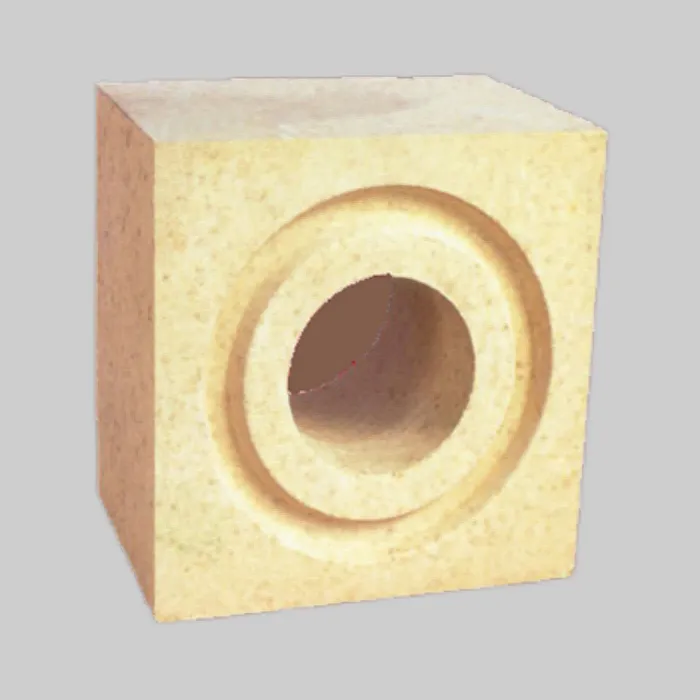
Well blocks are a critical component in the continuous casting process, which is a fundamental method for producing semi - finished steel products. They are located at the bottom of the ladle and play a crucial role in controlling the flow of molten steel from the ladle to the tundish. A well - designed well block ensures a smooth and consistent flow of steel, which is essential for the quality of the final product. You can learn more about well blocks by visiting our product page Well Blcok.
Factors Influencing the Cost of Well Blocks
1. Raw Materials
The raw materials used in the production of well blocks are a significant factor in determining their cost. High - quality refractory materials are required to withstand the extreme temperatures and corrosive environment of molten steel. These materials often include alumina, magnesia, and zirconia, which can be quite expensive due to their unique properties and limited availability. For example, the purity and grain size of alumina can vary, and higher - purity alumina generally commands a higher price. Suppliers need to balance the cost of these raw materials with the performance requirements of the well block.
2. Manufacturing Process
The manufacturing process of well blocks is complex and involves several steps, including mixing, molding, drying, and firing. Each step requires specialized equipment and skilled labor, which adds to the overall cost. For instance, precision molding is necessary to ensure the well block has the correct dimensions and shape for proper installation and function. Advanced manufacturing techniques, such as isostatic pressing, can improve the density and uniformity of the well block, but they also come with higher equipment and operational costs.
3. Quality and Performance
Well blocks are expected to have a long service life and consistent performance. High - quality well blocks are designed to resist thermal shock, erosion, and chemical attack from molten steel. To achieve these properties, extensive research and development are required, which incurs costs. Additionally, quality control measures during production, such as non - destructive testing and performance testing, add to the expense. A well - performing well block can reduce the frequency of replacements, but it may have a higher upfront cost.
4. Customization
Many steel mills have specific requirements for their well blocks based on their casting processes and the type of steel they produce. Custom - designed well blocks can be more expensive than standard ones because they require additional engineering and manufacturing efforts. For example, a steel mill producing high - alloy steel may need a well block with enhanced corrosion resistance, which may involve using special refractory materials or coatings.
The Value Proposition of Well Blocks
1. Process Efficiency
A high - quality well block can significantly improve the efficiency of the continuous casting process. By ensuring a smooth and consistent flow of molten steel, it reduces the risk of blockages and interruptions in the casting process. This leads to increased productivity and reduced downtime, which can translate into significant cost savings for steel mills. For example, a single interruption in the casting process can result in lost production time and wasted materials, which can far outweigh the cost of a well - performing well block.
2. Product Quality
The quality of the well block directly affects the quality of the final steel product. A well - functioning well block helps to maintain the temperature and chemical composition of the molten steel as it flows from the ladle to the tundish. This results in fewer defects in the cast steel, such as inclusions and porosity, which can improve the mechanical properties and surface finish of the final product. Higher - quality steel products can command a higher price in the market, offsetting the cost of the well block.
3. Safety
Well blocks also play a crucial role in ensuring the safety of the steelmaking process. A failure of the well block can lead to a catastrophic event, such as a steel spill, which can endanger the lives of workers and cause significant damage to equipment. Investing in high - quality well blocks reduces the risk of such failures and provides a safer working environment.
Evaluating the Expense of Well Blocks
When evaluating whether well blocks are expensive, it's important to take a holistic approach. Instead of focusing solely on the upfront cost, steel mills should consider the total cost of ownership, which includes factors such as the service life of the well block, the cost of replacements, and the impact on production efficiency and product quality.
For example, a cheaper well block may have a shorter service life, requiring more frequent replacements. This not only incurs additional purchase costs but also leads to increased downtime for replacement and maintenance. On the other hand, a more expensive well block with a longer service life and better performance may result in lower overall costs in the long run.
Related Products and Their Role
Well blocks are often used in conjunction with other refractory products in the continuous casting process, such as Monolithic Stopper and Subentry Nozzle. The monolithic stopper is used to control the flow of molten steel from the ladle, while the subentry nozzle directs the steel from the tundish to the mold. These products work together to ensure a smooth and controlled casting process. The cost of these related products also needs to be considered when evaluating the overall cost of the casting system.
Conclusion
In conclusion, the question of whether well blocks are expensive is not a straightforward one. While well blocks can have a relatively high upfront cost due to the factors discussed above, their value in terms of process efficiency, product quality, and safety cannot be underestimated. Steel mills should carefully evaluate the total cost of ownership and the long - term benefits when making purchasing decisions.
As a well - block supplier, we are committed to providing high - quality well blocks that offer the best value for our customers. We understand the unique needs of each steel mill and can work with them to develop customized solutions that meet their specific requirements. If you are interested in learning more about our well - block products or would like to discuss your specific needs, we encourage you to contact us for a detailed consultation. Our team of experts is ready to assist you in making the right choice for your steelmaking operations.
References
- "Refractories in Steelmaking" by John Smith, published by Metallurgical Press.
- "Continuous Casting Technology" by Jane Doe, published by Steel Industry Publications.
- Industry reports from leading steel and refractory research organizations.