

Can a tundish shroud reduce the oxidation of molten steel?
Hey there! I'm a supplier of tundish shrouds, and today I want to have a chat about whether a tundish shroud can actually reduce the oxidation of molten steel. It's a question that comes up a lot in the steel - making industry, and I'm here to break it down for you.
First off, let's understand what oxidation of molten steel is all about. When molten steel is exposed to the air, the oxygen in the air reacts with the steel. This oxidation process can cause a bunch of problems. It can lead to the formation of oxides, which can affect the quality of the final steel product. These oxides might make the steel brittle, reduce its strength, and cause surface defects. So, it's a big deal to control this oxidation.
Now, what exactly is a tundish shroud? A tundish shroud is a refractory tube that is used in the continuous casting process of steel. Its main job is to transfer molten steel from the ladle to the tundish in a controlled way. It's like a protective passage for the molten steel.
So, can it reduce oxidation? The answer is a big yes! One of the key ways a tundish shroud reduces oxidation is by creating a barrier between the molten steel and the surrounding air. When the molten steel flows through the tundish shroud, it's isolated from the oxygen in the atmosphere. This means there's less chance for the oxygen to react with the steel.
Let's talk about how it works in a bit more detail. The tundish shroud is made of high - quality refractory materials. These materials are designed to withstand the extremely high temperatures of the molten steel. They form a physical barrier that keeps the air out. For example, some tundish shrouds are lined with special materials that have low porosity. This low porosity means that air can't easily seep through the shroud and reach the molten steel.
Another important aspect is the design of the tundish shroud. A well - designed tundish shroud has a smooth inner surface. This smooth surface allows the molten steel to flow through it without any turbulence. Turbulence can actually increase the contact between the molten steel and the air. When there's less turbulence, there's less chance for the air to mix with the steel and cause oxidation.
Now, let's compare the situation with and without a tundish shroud. Without a tundish shroud, the molten steel is directly exposed to the air as it transfers from the ladle to the tundish. This direct exposure leads to a significant amount of oxidation. The steel can quickly form a layer of oxides on its surface. On the other hand, when a tundish shroud is used, the oxidation rate is greatly reduced. The steel remains in a more pure state, which is crucial for producing high - quality steel products.
But it's not just about reducing oxidation. A tundish shroud also helps in other ways. It can improve the flow of molten steel. By providing a controlled path for the steel to flow, it ensures a more even distribution of the steel in the tundish. This even distribution is important for the overall quality of the casting process.
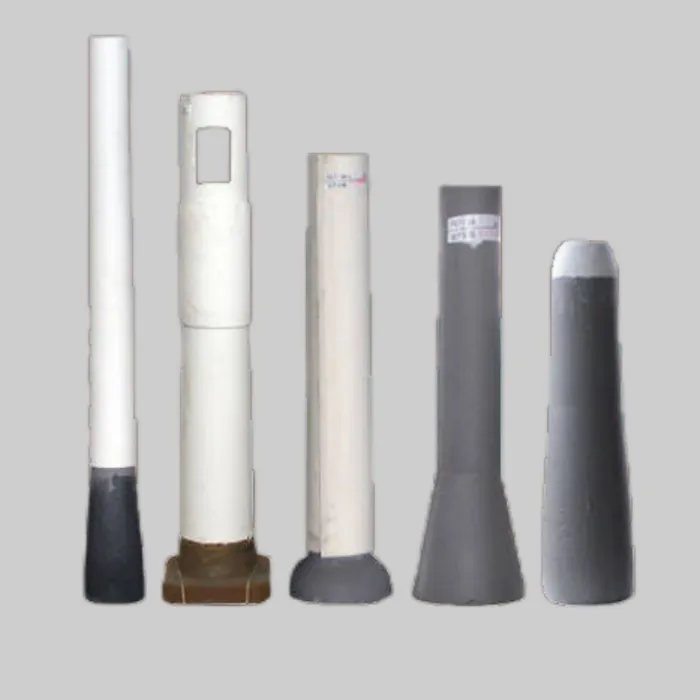
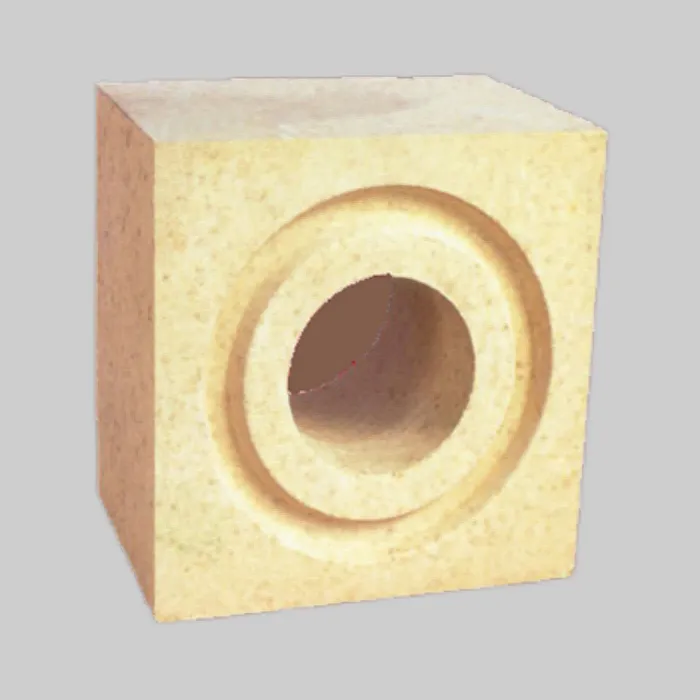
There are also other related components in the steel - making process that work in conjunction with the tundish shroud. For example, the Ladle Shroud is used to transfer molten steel from the ladle to the tundish shroud. It also plays a role in protecting the steel from oxidation. The Subentry Nozzle is another important part. It helps in directing the flow of molten steel from the tundish to the mold. And the Well Blcok provides support and stability to the whole system.
In addition to the physical protection, some tundish shrouds can also be used in combination with inert gas purging. Inert gases like argon can be introduced into the shroud. This further reduces the oxygen content around the molten steel, providing an extra layer of protection against oxidation.
However, it's important to note that the effectiveness of a tundish shroud in reducing oxidation also depends on proper installation and maintenance. If the shroud is not installed correctly, there might be gaps where air can enter. And over time, the refractory materials in the shroud can wear out. Regular inspection and replacement of the tundish shroud are necessary to ensure its optimal performance.
So, if you're in the steel - making business, investing in a high - quality tundish shroud is a smart move. It can significantly improve the quality of your steel products by reducing oxidation. You'll get steel with better mechanical properties, fewer surface defects, and a more consistent quality.
If you're interested in learning more about our tundish shrouds or want to discuss a potential purchase, don't hesitate to reach out. We're always here to help you find the best solution for your steel - making needs.
References
- "Handbook of Steelmaking Processes"
- "Continuous Casting Technology in Steel Industry"