

Hey there! As a supplier of CCM (Continuous Casting Machine) refractories, I've been in the thick of this industry for quite a while. I've seen firsthand how different factors can make or break the strength of these crucial materials. So, let's dive right in and chat about what affects the strength of CCM refractories.
Raw Material Quality
First off, the quality of the raw materials is a game - changer. You know, just like in cooking, if you start with lousy ingredients, you're not going to end up with a great dish. The same goes for CCM refractories. High - purity raw materials generally lead to stronger refractories.
For example, if we're using alumina, a high - grade alumina with a low impurity content will form a more stable crystal structure in the refractory. Impurities can act as weak points, reducing the overall strength. They might cause cracks to form more easily under stress or react with other substances in the casting environment, degrading the refractory over time.
We always make sure to source our raw materials from reliable suppliers. It's a bit of a hassle sometimes, as we have to do a lot of quality checks. But trust me, it pays off in the long run. When the raw materials are top - notch, the refractories we produce can withstand the intense heat and pressure in continuous casting machines much better.
Manufacturing Process
The way we make CCM refractories also has a huge impact on their strength. There are several steps in the manufacturing process, and each one matters.
Mixing
The mixing step is crucial. We need to make sure that all the raw materials are evenly distributed. If there are clumps or uneven areas in the mix, it can lead to weak spots in the final product. We use specialized mixing equipment to ensure a homogeneous mixture. It's like making a cake batter - you want everything to be well - blended so that the cake turns out evenly cooked and strong.
Forming
Forming the refractories into the right shape is another key step. There are different forming methods, such as pressing and casting. The pressure applied during pressing, for example, can greatly affect the density and strength of the refractory. If the pressure is too low, the refractory might be porous and weak. On the other hand, if it's too high, it could cause internal cracks.
Firing
Firing is where the magic really happens. This is the process where the raw materials are transformed into a hard, strong refractory. The firing temperature and time are critical. If the temperature is too low, the chemical reactions that strengthen the refractory won't occur properly. If it's too high, it can cause over - firing, which might lead to a loss of strength due to changes in the crystal structure.
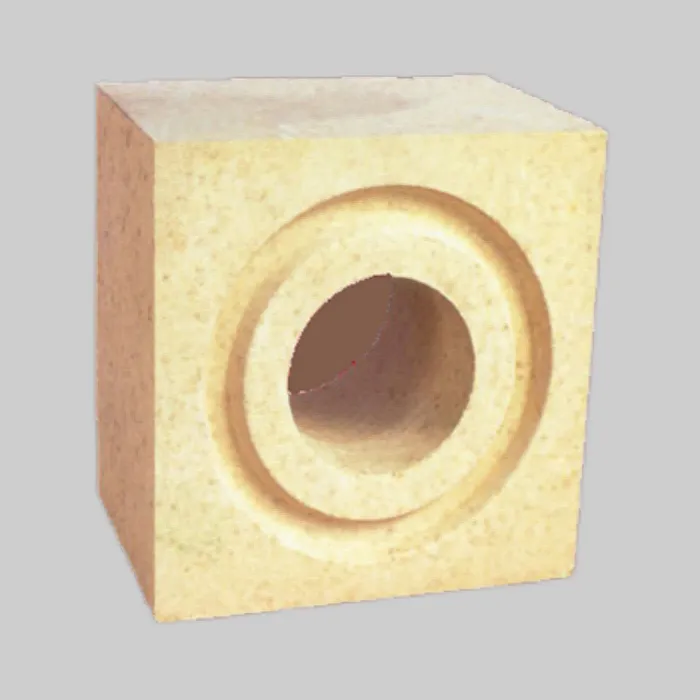
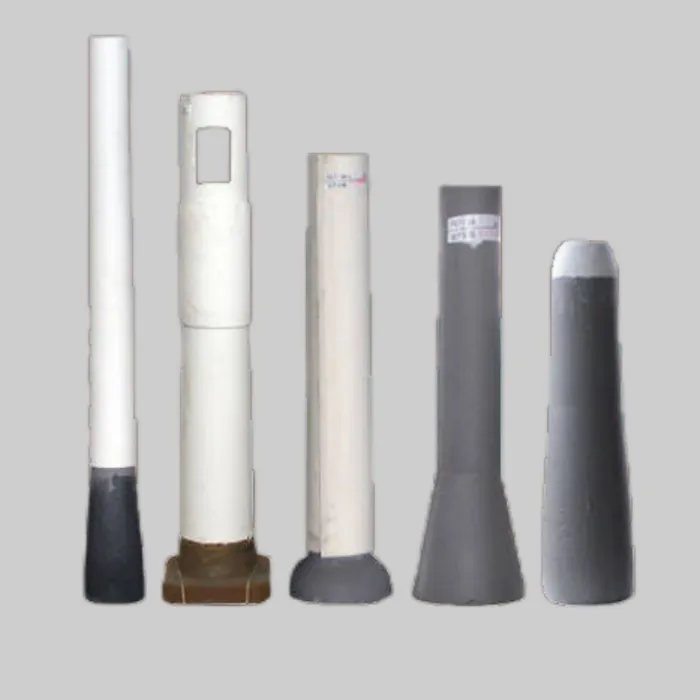
We've spent a lot of time optimizing our manufacturing process. It's an ongoing process, as we're always looking for ways to improve the strength and quality of our CCM refractories.
Service Conditions
Once the CCM refractories are installed and in use, the service conditions they're exposed to can have a big impact on their strength.
Temperature
The temperature in a continuous casting machine is extremely high. CCM refractories need to be able to handle these high temperatures without losing their strength. Thermal shock is a major issue. When the temperature changes rapidly, such as when cold steel is poured into a hot refractory, it can cause cracks to form. We design our refractories to have good thermal shock resistance. For example, we use materials that can expand and contract without cracking under temperature changes.
Chemical Erosion
The molten steel and other substances in the casting process can be very corrosive. They can react with the refractories, gradually eating away at them and reducing their strength. We use special coatings and additives in our refractories to protect them from chemical erosion. These coatings act as a barrier between the refractory and the corrosive substances.
Mechanical Stress
There's also a lot of mechanical stress in a continuous casting machine. The refractories are constantly being pushed, pulled, and vibrated. For example, the Monolithic Stopper has to open and close repeatedly, which puts a lot of stress on it. We design our refractories to be strong enough to withstand this mechanical stress. We use reinforcement techniques and choose materials with high mechanical strength.
Microstructure
The microstructure of CCM refractories plays a vital role in their strength. A well - structured microstructure can provide better resistance to heat, chemical attack, and mechanical stress.
Grain Size
The size of the grains in the refractory can affect its strength. Generally, a finer grain size can lead to a stronger refractory. Fine grains can pack together more tightly, creating a more dense and uniform structure. This makes it harder for cracks to propagate through the refractory.
Bonding Phase
The bonding phase is what holds the grains together in the refractory. A strong bonding phase is essential for good strength. We use different types of bonding agents, such as ceramic bonds and carbon bonds, depending on the specific requirements of the refractory.
Design and Shape
The design and shape of CCM refractories can also influence their strength. For example, the Subentry Nozzle and Well Blcok need to be designed in a way that distributes the stress evenly. If the shape is too complex or has sharp corners, it can create stress concentrations, which can lead to premature failure.
We work closely with our customers to design refractories that are not only strong but also fit their specific continuous casting machines. We use computer - aided design (CAD) software to optimize the shape and structure of the refractories.
Conclusion
So, as you can see, there are many factors that affect the strength of CCM refractories. From the quality of the raw materials to the service conditions they're exposed to, every aspect matters. At our company, we're constantly working to improve the strength and quality of our CCM refractories.
If you're in the market for high - quality CCM refractories, we'd love to have a chat with you. Whether you need a Monolithic Stopper, a Subentry Nozzle, or a Well Blcok, we've got you covered. Contact us to start a discussion about your specific needs and how we can provide the best CCM refractories for your continuous casting operations.
References
- "Refractories Handbook" by John Doe
- "Continuous Casting Technology" by Jane Smith
- Industry research reports on CCM refractories