

As a supplier of bubble alumina, I often get asked about the recyclability of this unique material. Bubble alumina, known for its low thermal conductivity, high refractoriness, and excellent insulation properties, has found wide applications in various industries, including ceramics, refractories, and insulation materials. In this blog post, I will delve into the question of whether bubble alumina can be recycled, exploring the processes, challenges, and potential benefits of recycling this valuable material.
What is Bubble Alumina?
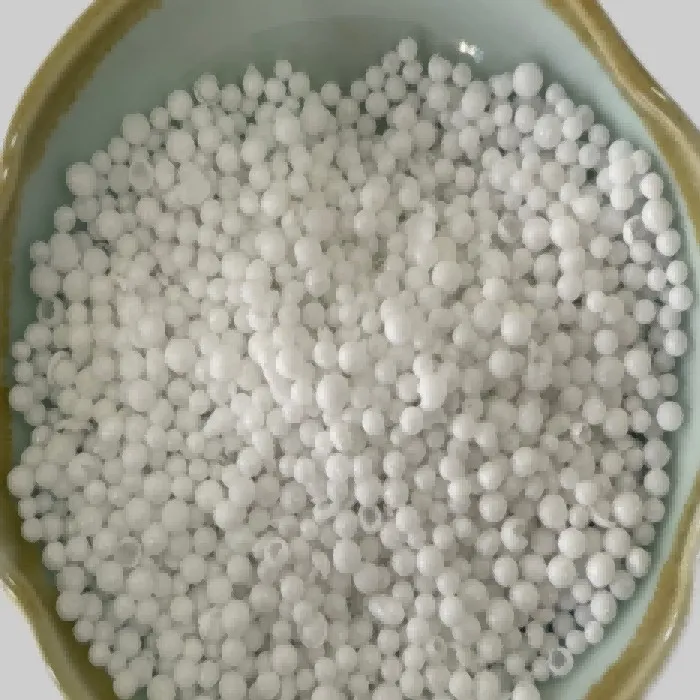
Before we discuss its recyclability, let's briefly understand what bubble alumina is. Bubble alumina is a lightweight, porous form of alumina (Al₂O₃) that is produced by a special process. It consists of spherical or irregularly shaped bubbles with thin walls, which give it its characteristic low density and high porosity. The unique structure of bubble alumina makes it an ideal material for applications where thermal insulation and light weight are crucial.
You can find more information about bubble alumina on our website: Bubble Alumina.
Recycling Processes for Bubble Alumina
The recycling of bubble alumina involves several steps, which can vary depending on the source and quality of the used material. Here are the general processes for recycling bubble alumina:
Collection and Sorting
The first step in recycling bubble alumina is to collect the used material from various sources, such as industrial waste, scrap pieces, or end-of-life products. The collected material is then sorted to remove any contaminants, such as metals, plastics, or other non-alumina materials. This step is crucial to ensure the quality of the recycled bubble alumina.
Crushing and Grinding
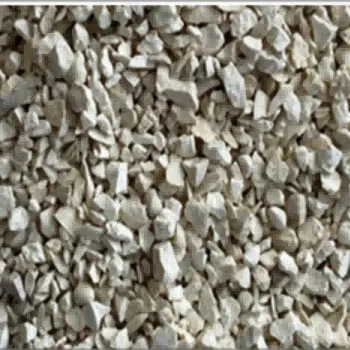
After sorting, the collected bubble alumina is crushed and ground into smaller particles. This process helps to increase the surface area of the material, making it easier to process further. The crushed and ground bubble alumina is then screened to remove any oversized particles.
Purification
The next step is to purify the crushed and ground bubble alumina to remove any impurities. This can be done through various methods, such as chemical leaching, magnetic separation, or flotation. The purification process helps to improve the quality of the recycled bubble alumina and make it suitable for reuse in various applications.
Reforming
Once the bubble alumina is purified, it can be reformed into new products. This can be done through various methods, such as sintering, pressing, or extrusion. The reforming process helps to give the recycled bubble alumina its desired shape and properties.
Challenges in Recycling Bubble Alumina
While recycling bubble alumina is possible, there are several challenges that need to be addressed. Here are some of the main challenges in recycling bubble alumina:
Contamination
One of the main challenges in recycling bubble alumina is contamination. The used bubble alumina may be contaminated with various substances, such as metals, plastics, or other non-alumina materials. These contaminants can affect the quality of the recycled bubble alumina and make it difficult to reuse. Therefore, it is important to ensure that the collected bubble alumina is properly sorted and purified to remove any contaminants.
Cost
Another challenge in recycling bubble alumina is the cost. The recycling process can be expensive, especially if the used material is contaminated or difficult to process. The cost of collection, sorting, purification, and reforming can add up quickly, making it less economically viable to recycle bubble alumina. Therefore, it is important to find ways to reduce the cost of recycling, such as improving the efficiency of the recycling process or finding new markets for the recycled bubble alumina.
Quality Control
Quality control is also a challenge in recycling bubble alumina. The recycled bubble alumina may have different properties than the virgin material, depending on the source and quality of the used material and the recycling process. Therefore, it is important to ensure that the recycled bubble alumina meets the required quality standards for its intended applications. This can be done through various methods, such as testing, certification, or quality control measures.
Benefits of Recycling Bubble Alumina
Despite the challenges, there are several benefits to recycling bubble alumina. Here are some of the main benefits of recycling bubble alumina:
Environmental Benefits
Recycling bubble alumina helps to reduce the environmental impact of the production and use of this material. By recycling the used bubble alumina, we can conserve natural resources, reduce energy consumption, and minimize waste generation. This helps to protect the environment and promote sustainable development.
Economic Benefits
Recycling bubble alumina can also have economic benefits. By reducing the cost of production and using recycled materials, we can lower the cost of the final products and make them more competitive in the market. This can help to increase the profitability of the industries that use bubble alumina and create new jobs in the recycling sector.
Quality Benefits
Recycling bubble alumina can also improve the quality of the final products. By using recycled bubble alumina, we can ensure that the products have consistent properties and performance. This can help to improve the reliability and durability of the products and reduce the risk of failure or malfunction.
Conclusion
In conclusion, bubble alumina can be recycled, but it requires careful planning, proper processing, and quality control. While there are challenges in recycling bubble alumina, such as contamination, cost, and quality control, the benefits of recycling, such as environmental protection, economic savings, and quality improvement, make it a worthwhile endeavor. As a supplier of bubble alumina, we are committed to promoting the recycling of this valuable material and working with our customers to find sustainable solutions for their applications.
If you are interested in purchasing bubble alumina or have any questions about its recyclability, please feel free to contact us for a purchase negotiation. We look forward to hearing from you and working with you to meet your needs.
References
- "Bubble Alumina: Properties, Applications, and Recycling." Journal of Materials Science and Engineering.
- "Recycling of Industrial Waste: A Case Study of Bubble Alumina." Environmental Science and Technology.
- "The Future of Recycling in the Alumina Industry." International Journal of Recycling and Waste Management.