

CCM refractories, also known as continuous casting machine refractories, play a crucial role in the continuous casting process of steelmaking. These refractories are in direct contact with molten steel, enduring high temperatures, mechanical stress, and chemical erosion. The chemical composition of CCM refractories significantly affects their performance and service life. As a CCM refractories supplier, understanding and meeting the standards for the chemical composition is essential to provide high - quality products to our customers.
1. General Requirements for Chemical Composition
The chemical composition of CCM refractories is designed to ensure several key properties such as high - temperature resistance, corrosion resistance, thermal shock resistance, and mechanical strength. Different types of CCM refractories have different chemical composition requirements based on their specific functions in the continuous casting process.
1.1 High - Temperature Resistance
The main components that contribute to high - temperature resistance are usually oxides such as alumina (Al₂O₃), magnesia (MgO), and zirconia (ZrO₂). Alumina is widely used in CCM refractories due to its high melting point (about 2054 °C) and good chemical stability at high temperatures. Magnesia also has a high melting point (about 2852 °C) and excellent resistance to basic slag corrosion, which is often used in refractories for ladles and tundishes. Zirconia has a very high melting point (about 2715 °C) and can improve the thermal shock resistance and corrosion resistance of refractories.
1.2 Corrosion Resistance
To resist the corrosion of molten steel and slag, the chemical composition should be carefully selected. For example, refractories in contact with acidic slag usually contain a high proportion of silica (SiO₂), while those in contact with basic slag should have a high content of magnesia or alumina. The presence of certain additives can also enhance the corrosion resistance. For instance, chromium oxide (Cr₂O₃) can improve the resistance of refractories to some types of slag, but its use is being restricted due to environmental concerns.
1.3 Thermal Shock Resistance
Thermal shock resistance is crucial for CCM refractories as they are subjected to rapid temperature changes during the continuous casting process. Components like graphite can improve the thermal shock resistance of refractories. Graphite has a low thermal expansion coefficient and good thermal conductivity, which helps to dissipate heat quickly and reduce thermal stress.
2. Chemical Composition Standards for Different Types of CCM Refractories
2.1 Subentry Nozzle
The Subentry Nozzle is an important part of the continuous casting system, which controls the flow of molten steel from the tundish to the mold. Its chemical composition usually includes alumina, zirconia, and graphite. The alumina content is typically in the range of 50% - 80%. Alumina provides high - temperature strength and corrosion resistance. Zirconia is added to improve the erosion resistance, especially against the scouring of high - velocity molten steel. The graphite content is usually around 10% - 20%, which enhances the thermal shock resistance and lubricity of the nozzle. Additionally, some small amounts of additives such as antioxidants may be included to prevent the oxidation of graphite at high temperatures.
2.2 Monolithic Stopper
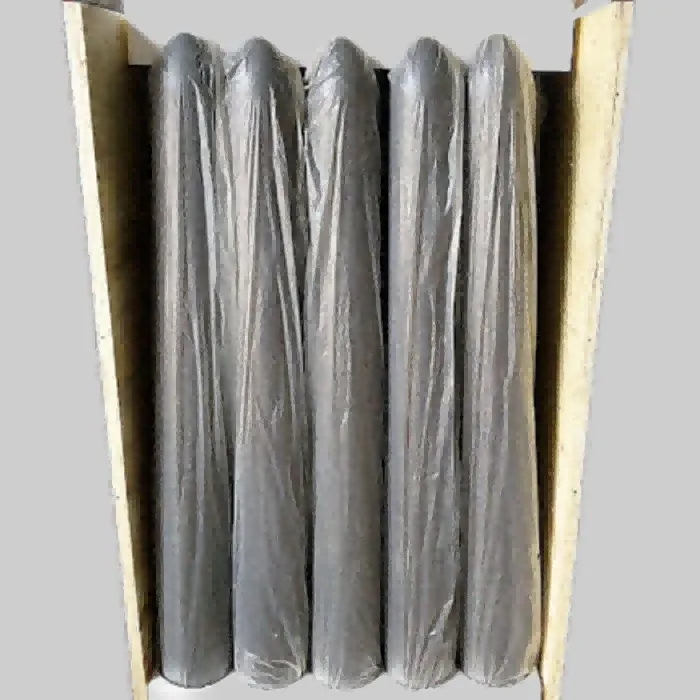
The Monolithic Stopper is used to control the flow rate of molten steel in the tundish. It is usually made of high - alumina materials with a relatively high alumina content, often above 80%. High - alumina stoppers have good mechanical strength and corrosion resistance. Some monolithic stoppers may also contain a small amount of zirconia to improve their wear resistance. The chemical composition of the stopper should be uniform to ensure stable performance during the continuous casting process.
2.3 Well Block
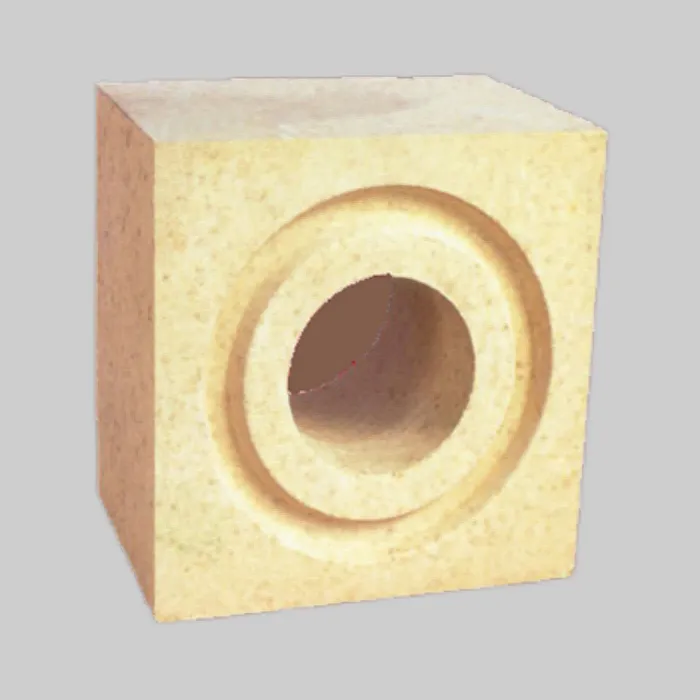
The Well Blcok is located at the bottom of the ladle and is used to support the slide gate system and guide the flow of molten steel. Well blocks are commonly made of magnesia - carbon or alumina - carbon materials. In magnesia - carbon well blocks, the magnesia content is typically around 60% - 80%, and the graphite content is about 10% - 20%. Magnesia provides excellent resistance to basic slag corrosion, while graphite improves the thermal shock resistance. Alumina - carbon well blocks have a high alumina content (usually 50% - 70%) and a graphite content of around 10% - 15%. These materials can withstand the high - temperature and high - pressure environment at the bottom of the ladle.
3. Quality Control of Chemical Composition
As a CCM refractories supplier, we implement strict quality control measures to ensure that the chemical composition of our products meets the standards.
3.1 Raw Material Selection
We carefully select high - quality raw materials to ensure the purity and consistency of the chemical composition. For example, when sourcing alumina, we choose materials with a high alumina content and low impurity levels. We also conduct regular inspections of the raw materials to detect any potential quality issues.
3.2 Production Process Control
During the production process, we use advanced mixing and forming techniques to ensure the uniform distribution of chemical components in the refractories. For example, in the production of monolithic refractories, we use high - speed mixers to ensure that all the raw materials are evenly mixed. We also control the firing temperature and atmosphere to optimize the chemical reactions and crystal structure of the refractories, which can further improve their performance.
3.3 Testing and Analysis
We conduct comprehensive testing and analysis of the chemical composition of our products. We use techniques such as X - ray fluorescence (XRF) analysis to accurately determine the content of various elements in the refractories. In addition, we also perform physical and chemical property tests, such as measuring the bulk density, porosity, and cold crushing strength, to ensure that the products meet the required performance standards.
4. Impact of Chemical Composition on Product Performance and Cost
The chemical composition of CCM refractories has a significant impact on both product performance and cost.
4.1 Performance
A well - designed chemical composition can improve the service life of refractories, reduce the frequency of replacement, and improve the quality of the cast steel. For example, a subentry nozzle with an appropriate proportion of alumina, zirconia, and graphite can resist the erosion of molten steel and slag for a longer time, ensuring a stable casting process. On the other hand, an improper chemical composition may lead to premature failure of the refractories, such as cracking, erosion, or plugging, which can cause production interruptions and quality problems in the cast steel.
4.2 Cost
The cost of CCM refractories is closely related to their chemical composition. High - purity raw materials with specific chemical components, such as high - grade alumina or zirconia, are usually more expensive. Therefore, we need to strike a balance between product performance and cost. We continuously research and develop new materials and production processes to optimize the chemical composition and reduce the cost without sacrificing product performance.
5. Conclusion and Call to Action
In conclusion, the chemical composition of CCM refractories is a critical factor that determines their performance and service life. As a professional CCM refractories supplier, we are committed to meeting the strict standards for chemical composition through careful raw material selection, precise production process control, and comprehensive quality testing. Our products, including subentry nozzles, monolithic stoppers, and well blocks, are designed to provide high - quality solutions for the continuous casting industry.
If you are in the market for CCM refractories and are looking for reliable products that meet the highest standards of chemical composition, we invite you to contact us for a procurement discussion. Our team of experts is ready to provide you with detailed product information, technical support, and competitive pricing. Let us work together to improve the efficiency and quality of your continuous casting process.
References
- Zhang, Y., & Jiang, M. (2018). Refractories for Steelmaking. Elsevier.
- Mittal, K. (2019). Handbook of Refractory Technology. CRC Press.
- Singh, R. N., & Ray, R. C. (2017). Refractory Materials: Properties, Applications, and Performance. Wiley.