
Can fire bricks be used in a smelting furnace? Well, as a fire brick supplier, I've gotten this question a bunch of times. And the short answer is yes, fire bricks can absolutely be used in a smelting furnace. But there's a lot more to it than that, so let's dive in.
First off, what are fire bricks? Fire bricks are special types of bricks that are designed to withstand extremely high temperatures. They're made from materials like clay, alumina, and silica, which have high melting points and can resist thermal shock. This makes them perfect for use in environments where regular bricks would quickly break down.
Now, why are fire bricks so important in a smelting furnace? Smelting is the process of extracting metals from their ores by heating them to high temperatures. In a smelting furnace, temperatures can reach well over 1000 degrees Celsius, sometimes even up to 2000 degrees Celsius or more. That's hot enough to melt most metals, but it's also hot enough to destroy regular building materials.
Fire bricks act as a protective lining inside the smelting furnace. They insulate the furnace walls, preventing heat from escaping and keeping the high temperatures inside where they're needed for the smelting process. They also protect the outer structure of the furnace from the intense heat and chemical reactions that occur during smelting.
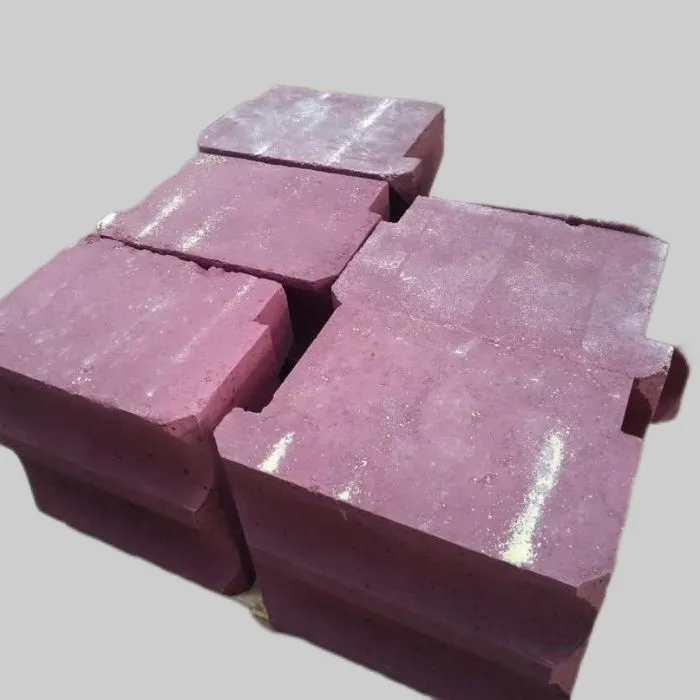
There are different types of fire bricks that can be used in a smelting furnace, depending on the specific requirements of the process. For example, Chrome Brick is known for its excellent resistance to corrosion and high temperatures. It's often used in areas of the furnace where there's a lot of contact with molten metals and slag.
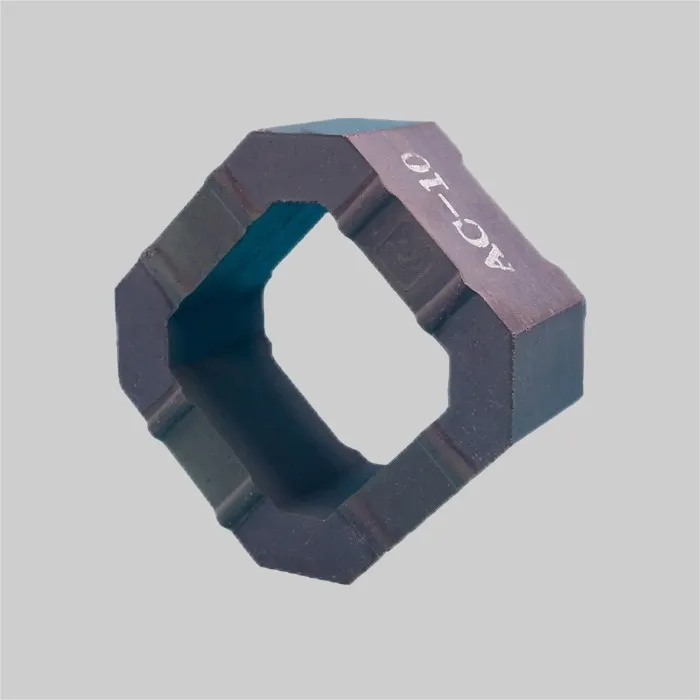
Refractory Anchor Brick is another type that's commonly used. These bricks are designed to be anchored to the furnace structure, providing additional support and stability. They're especially useful in large or high - stress areas of the furnace.
Alumina Chrome Brick combines the properties of alumina and chrome, offering high strength, good thermal shock resistance, and excellent corrosion resistance. It's a great choice for many smelting applications.
When choosing fire bricks for a smelting furnace, there are a few key factors to consider. One of the most important is the temperature rating of the bricks. You need to make sure that the fire bricks can handle the maximum temperature that will be reached in the furnace. If the temperature rating is too low, the bricks may crack or melt, which can lead to furnace failure.
Another factor is the chemical resistance of the bricks. Different metals and ores produce different types of slag and gases during smelting, and these can be highly corrosive. You need to choose fire bricks that can resist the specific chemicals that will be present in your smelting process.
Thermal shock resistance is also crucial. During the start - up and shut - down of a smelting furnace, there are rapid changes in temperature. Fire bricks need to be able to withstand these changes without cracking or spalling.
The density and porosity of the fire bricks are also important. Denser bricks generally have better heat insulation properties, but they may be more brittle. Porous bricks, on the other hand, can absorb some of the thermal stress, but they may be more susceptible to chemical attack.
As a fire brick supplier, I've seen firsthand the importance of choosing the right fire bricks for a smelting furnace. A well - chosen fire brick lining can significantly extend the lifespan of the furnace, reduce energy consumption, and improve the overall efficiency of the smelting process.
I've worked with many customers over the years, and I've helped them select the perfect fire bricks for their specific smelting needs. Whether it's a small - scale operation or a large industrial furnace, I can provide the expertise and the high - quality fire bricks to get the job done right.
If you're in the market for fire bricks for your smelting furnace, don't hesitate to reach out. I'm here to answer any questions you may have and to help you find the best fire bricks for your application. Whether you need Chrome Brick, Refractory Anchor Brick, Alumina Chrome Brick, or any other type of fire brick, I've got you covered.
Contact me today to start a discussion about your fire brick requirements. Let's work together to ensure that your smelting furnace operates at its best.
References
- "Refractories Handbook" - A comprehensive guide on refractory materials and their applications.
- Industry research papers on smelting furnace technology and the use of fire bricks.