

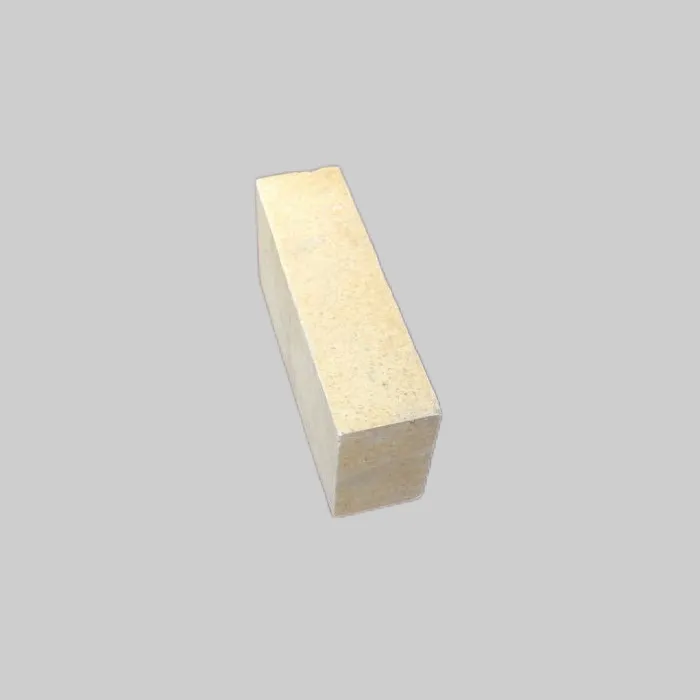
Alumina bricks are widely used in various industrial applications due to their high refractoriness, excellent thermal stability, and good chemical resistance. As a supplier of alumina bricks, I am well - aware of the product's advantages. However, it is also crucial to understand the environmental impacts associated with their production. This blog post aims to delve into the environmental aspects of alumina brick production.
Raw Material Extraction
The primary raw material for alumina bricks is bauxite, which is a sedimentary rock rich in aluminum hydroxide minerals. The extraction of bauxite has significant environmental implications.
Deforestation and Habitat Loss
Bauxite mining often requires large - scale land clearing. In regions where bauxite deposits are abundant, vast areas of forests are cut down to make way for mining operations. This deforestation leads to the loss of natural habitats for countless plant and animal species. For example, in some tropical regions, the destruction of rainforests due to bauxite mining has endangered many endemic species. The loss of these habitats disrupts the ecological balance and can lead to a decline in biodiversity.
Soil Erosion
Once the land is cleared for mining, the top - soil, which is rich in nutrients and organic matter, is removed. Without the protection of vegetation, the exposed soil is highly susceptible to erosion by wind and water. Soil erosion can lead to the degradation of agricultural land in the surrounding areas. Sediments from eroded soil can also be carried into nearby rivers and streams, causing siltation. Siltation can reduce water quality, damage aquatic habitats, and affect the flow of water bodies.
Energy Consumption
The production of alumina bricks is an energy - intensive process.
High - Temperature Firing
One of the key steps in alumina brick production is firing. The bricks need to be fired at high temperatures, typically between 1400°C and 1800°C, to achieve the desired physical and chemical properties. This high - temperature firing requires a large amount of energy, usually in the form of fossil fuels such as coal, natural gas, or oil. The combustion of these fossil fuels releases significant amounts of greenhouse gases, mainly carbon dioxide (CO₂), into the atmosphere. CO₂ is a major contributor to global warming and climate change.
Energy - Intensive Processing
In addition to firing, other processing steps in alumina brick production, such as grinding, mixing, and shaping, also consume a considerable amount of energy. These processes often rely on electricity, which in many regions is generated from fossil - fuel power plants. As a result, the overall energy consumption in alumina brick production has a substantial environmental footprint.
Air Pollution
The production of alumina bricks generates several air pollutants.
Particulate Matter
During the mining, processing, and firing of alumina bricks, large amounts of particulate matter (PM) are released into the air. PM consists of tiny solid or liquid particles, which can include dust, soot, and fly ash. Inhalation of PM can cause respiratory problems, such as asthma, bronchitis, and lung cancer. These particles can also reduce visibility and have a negative impact on the aesthetic quality of the environment.
Sulfur Dioxide and Nitrogen Oxides
The combustion of fossil fuels in the firing process releases sulfur dioxide (SO₂) and nitrogen oxides (NOₓ). SO₂ can react with water vapor in the atmosphere to form sulfuric acid, which is a major component of acid rain. Acid rain can damage forests, lakes, and buildings. Nitrogen oxides contribute to the formation of ground - level ozone, a harmful air pollutant that can cause respiratory irritation and damage to plants.
Water Pollution
Water is used in various stages of alumina brick production, and improper management can lead to water pollution.
Wastewater Discharge
The mining and processing of bauxite generate large volumes of wastewater. This wastewater often contains heavy metals, such as aluminum, iron, and manganese, as well as other contaminants. If this wastewater is discharged into water bodies without proper treatment, it can contaminate surface water and groundwater. Contaminated water can be harmful to human health if used for drinking or irrigation. It can also have a detrimental effect on aquatic ecosystems, killing fish and other aquatic organisms.
Cooling Water
In the firing process, cooling water is used to cool down the fired bricks. This cooling water can become contaminated with heat, chemicals, and particulate matter. Discharging this hot and contaminated water into natural water bodies can cause thermal pollution, which can disrupt the normal functioning of aquatic ecosystems.
Waste Generation
Alumina brick production generates a significant amount of waste.
Solid Waste
During the manufacturing process, there are various types of solid waste, such as waste raw materials, defective bricks, and waste from the processing equipment. If not properly managed, these solid wastes can take up large amounts of landfill space. Landfilling not only consumes valuable land resources but can also lead to the leaching of contaminants into the soil and groundwater.
Hazardous Waste
Some of the waste generated in alumina brick production may be hazardous. For example, waste from the firing process may contain heavy metals and other toxic substances. Improper disposal of hazardous waste can pose a serious threat to the environment and human health.
Mitigation Strategies
As an alumina brick supplier, I am committed to reducing the environmental impacts of our production.
Sustainable Raw Material Sourcing
We are actively seeking to source bauxite from mines that implement sustainable mining practices. This includes measures such as reforestation, soil conservation, and minimizing habitat disruption. By working with responsible mining partners, we can help reduce the environmental impact of raw material extraction.
Energy Efficiency Improvements
We are investing in research and development to improve the energy efficiency of our production processes. This includes using more energy - efficient kilns and equipment, as well as exploring alternative energy sources such as solar and wind power. By reducing our energy consumption, we can lower our greenhouse gas emissions.
Pollution Control Technologies
We have installed advanced pollution control technologies in our production facilities. For air pollution, we use dust collectors and scrubbers to remove particulate matter, SO₂, and NOₓ from the exhaust gases. For water pollution, we have wastewater treatment plants to treat and recycle the wastewater generated in the production process.
Waste Management
We have implemented a comprehensive waste management system. Solid waste is sorted and recycled as much as possible. Defective bricks can be crushed and reused as raw materials in the production process. Hazardous waste is properly treated and disposed of in accordance with environmental regulations.
Conclusion
The production of alumina bricks has significant environmental impacts, including raw material extraction - related issues, high energy consumption, air and water pollution, and waste generation. However, as an alumina brick supplier, we are taking proactive steps to mitigate these impacts. We believe that by implementing sustainable practices, we can not only reduce our environmental footprint but also contribute to the long - term viability of the industry.
If you are interested in our High Duty Firebrick, Fire Heat Bricks, or Alumina Silicate Fire Brick, and would like to discuss your specific requirements, we welcome you to reach out to us for a procurement discussion. We are dedicated to providing high - quality products while minimizing the environmental impact of our production.
References
- World Bank. "Environmental and Social Guidelines for Mining." World Bank Group, 2019.
- International Aluminium Institute. "Aluminium Industry: Environmental Performance." IAI, 2020.
- United Nations Environment Programme. "Global Environment Outlook." UNEP, 2021.