

In the realm of industrial manufacturing, steelmaking stands as a cornerstone process that drives numerous sectors of the global economy. At the heart of every steelmaking furnace lies a crucial component: the refractory lining, which often includes fire bricks. As a seasoned fire brick supplier, I am frequently asked whether fire bricks can be used in a steelmaking furnace. In this blog post, I will delve into the technical aspects, advantages, and considerations of using fire bricks in steelmaking furnaces.
Understanding Steelmaking Furnaces
Steelmaking furnaces are designed to melt and refine iron ore and scrap metal into steel. These furnaces operate under extreme conditions, with temperatures reaching up to 1600°C (2912°F) or even higher. In addition to high temperatures, steelmaking furnaces are also exposed to corrosive slag, molten metal, and mechanical stress. Therefore, the refractory lining of a steelmaking furnace must be able to withstand these harsh conditions to ensure the efficient and safe operation of the furnace.
The Role of Fire Bricks in Steelmaking Furnaces
Fire bricks, also known as refractory bricks, are specially designed to withstand high temperatures and chemical corrosion. They are made from refractory materials such as alumina, silica, magnesia, and zirconia, which have high melting points and excellent thermal stability. Fire bricks are used to line the walls, floors, and roofs of steelmaking furnaces to protect the furnace structure from the intense heat and corrosive environment.
One of the key functions of fire bricks in a steelmaking furnace is to provide thermal insulation. By reducing heat loss from the furnace, fire bricks help to improve the energy efficiency of the steelmaking process. In addition, fire bricks also help to maintain a uniform temperature distribution inside the furnace, which is essential for the quality and consistency of the steel produced.
Another important role of fire bricks is to resist chemical corrosion. During the steelmaking process, molten metal and slag contain various chemical substances that can react with the refractory lining of the furnace. Fire bricks are designed to have high chemical resistance to prevent the penetration and erosion of these corrosive substances. This helps to extend the service life of the furnace lining and reduce the frequency of repairs and replacements.
Types of Fire Bricks for Steelmaking Furnaces
There are several types of fire bricks that are commonly used in steelmaking furnaces, each with its own unique properties and applications. Some of the most popular types of fire bricks for steelmaking furnaces include:
- Zircon Refractory Bricks: Zircon Refractory Bricks are made from zirconia and silica, which have high melting points and excellent thermal shock resistance. These bricks are commonly used in the areas of the furnace that are exposed to high temperatures and thermal cycling, such as the roof and walls of the electric arc furnace.
- Corundum Brick: Corundum Brick is made from alumina, which has high hardness, wear resistance, and chemical stability. These bricks are commonly used in the areas of the furnace that are exposed to mechanical stress and chemical corrosion, such as the hearth and bottom of the basic oxygen furnace.
- Chrome Corundum Brick: Chrome Corundum Brick is made from a combination of alumina and chromia, which have high corrosion resistance and thermal stability. These bricks are commonly used in the areas of the furnace that are exposed to highly corrosive slag and molten metal, such as the lining of the ladle and tundish.
Advantages of Using Fire Bricks in Steelmaking Furnaces
There are several advantages of using fire bricks in steelmaking furnaces, including:
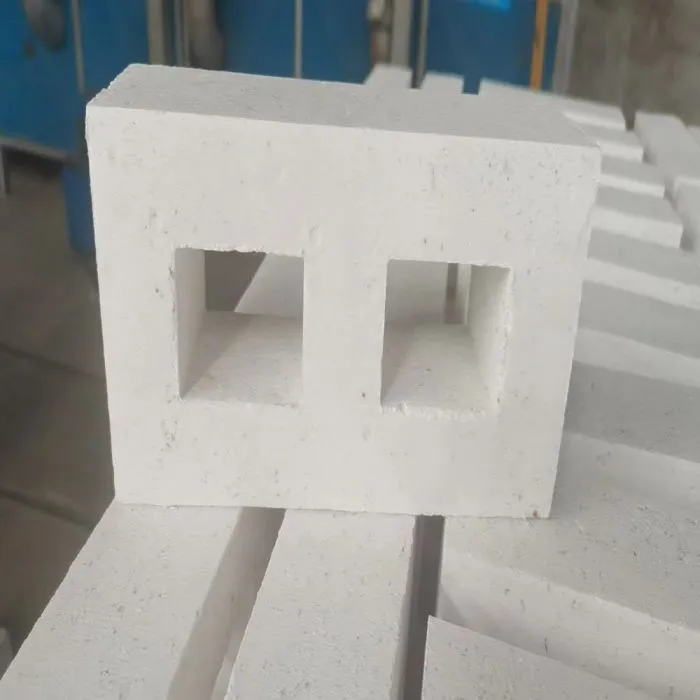
- High Temperature Resistance: Fire bricks are designed to withstand high temperatures, which makes them ideal for use in steelmaking furnaces. They can maintain their structural integrity and thermal properties even at temperatures up to 1600°C (2912°F) or higher.
- Chemical Corrosion Resistance: Fire bricks have high chemical resistance, which helps to prevent the penetration and erosion of corrosive substances such as molten metal and slag. This helps to extend the service life of the furnace lining and reduce the frequency of repairs and replacements.
- Thermal Insulation: Fire bricks provide excellent thermal insulation, which helps to reduce heat loss from the furnace and improve the energy efficiency of the steelmaking process. This can result in significant cost savings for steel manufacturers.
- Mechanical Strength: Fire bricks have high mechanical strength, which makes them resistant to mechanical stress and abrasion. This helps to ensure the long-term durability and reliability of the furnace lining.
Considerations When Using Fire Bricks in Steelmaking Furnaces
While fire bricks offer many advantages for steelmaking furnaces, there are also some considerations that need to be taken into account when using them. These include:
- Selection of the Right Type of Fire Bricks: The selection of the right type of fire bricks is crucial for the performance and service life of the furnace lining. Factors such as the type of steelmaking process, the operating temperature, the chemical composition of the molten metal and slag, and the mechanical stress on the furnace lining need to be considered when choosing fire bricks.
- Installation and Maintenance: Proper installation and maintenance of fire bricks are essential for their performance and service life. Fire bricks need to be installed correctly to ensure a tight and uniform fit, and they need to be regularly inspected and maintained to detect and repair any damage or wear.
- Cost: Fire bricks can be expensive, especially high-quality refractory bricks. Therefore, the cost of fire bricks needs to be considered when designing and operating a steelmaking furnace. However, it is important to note that the long-term cost savings associated with the use of high-quality fire bricks can often outweigh the initial investment.
Conclusion
In conclusion, fire bricks can be used in steelmaking furnaces and play a crucial role in the efficient and safe operation of these furnaces. They provide high temperature resistance, chemical corrosion resistance, thermal insulation, and mechanical strength, which helps to improve the energy efficiency, quality, and consistency of the steel produced. However, the selection of the right type of fire bricks, proper installation and maintenance, and cost considerations are all important factors that need to be taken into account when using fire bricks in steelmaking furnaces.
As a fire brick supplier, I have extensive experience in providing high-quality refractory products for steelmaking furnaces. If you are interested in learning more about our fire bricks or have any questions about using fire bricks in your steelmaking furnace, please do not hesitate to contact us. We would be happy to discuss your specific requirements and provide you with the best solutions for your needs.
References
- "Refractories in Steelmaking" by John F. Elliott
- "Handbook of Refractory Technology" by R. C. Garvie, R. H. J. Hannink, and M. F. Davis
- "Refractory Materials: Properties and Selection" by George Y. Onoda Jr. and Larry L. Hench