

As a ramming mass supplier, I've seen firsthand how particle size can make or break the performance of ramming mass. It's a topic that doesn't get enough attention but is super crucial for anyone in the industry. So, let's dig into how particle size affects ramming mass performance.
The Basics of Ramming Mass
Before we jump into particle size, let's quickly go over what ramming mass is. Ramming mass is a refractory material used in various industrial applications, mainly in furnaces. It's packed around the furnace lining to provide insulation and protection against high temperatures and chemical reactions. There are different types of ramming mass, like Pre Mix Silica Ramming Mass, Quartz Ramming Mass, and Zirconia Ramming Mass, each with its own unique properties and uses.
Particle Size and Density
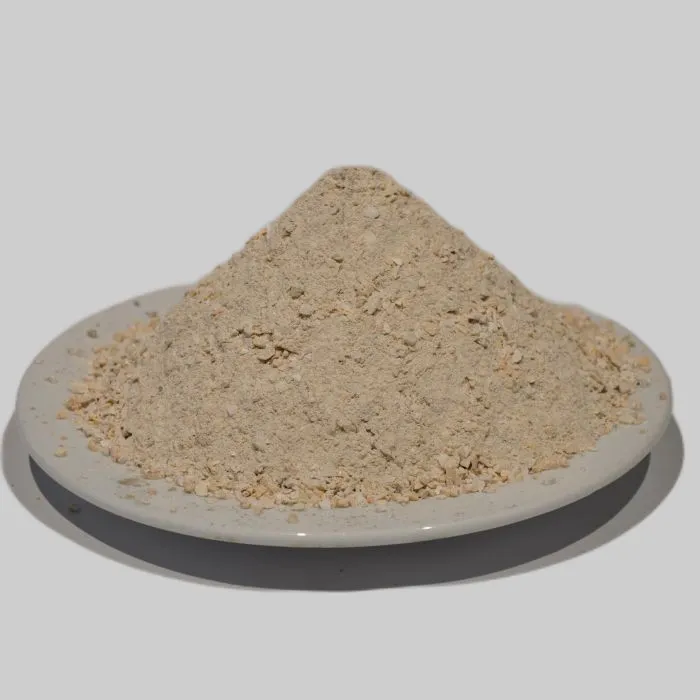
One of the most significant effects of particle size on ramming mass performance is its impact on density. When you have a ramming mass with a well - graded particle size distribution, you can achieve a higher density. Smaller particles can fill the gaps between larger particles, creating a more compact structure.
For example, if you use a ramming mass with only large particles, there will be a lot of empty spaces between them. These voids can reduce the overall strength of the ramming mass and make it more prone to cracking. On the other hand, a mix of small and large particles allows for better packing, increasing the density and improving the material's resistance to mechanical stress.
In our experience as a supplier, customers who choose ramming mass with an optimized particle size distribution often report better durability and less wear and tear in their furnaces. This is because the higher density provides better protection against the high - temperature environment and the physical forces at play.
Thermal Conductivity
Particle size also plays a role in the thermal conductivity of ramming mass. Generally, a ramming mass with smaller particles tends to have lower thermal conductivity. The smaller particles create more interfaces within the material, which act as barriers to heat transfer.
This is a big advantage in furnace applications. Lower thermal conductivity means that less heat is lost through the furnace lining, which can lead to significant energy savings. When the ramming mass can effectively insulate the furnace, the furnace can maintain a more stable temperature, improving the efficiency of the melting or heating process.
For instance, in a foundry, a furnace lined with ramming mass having a suitable particle size for low thermal conductivity can reduce the amount of energy needed to melt metals. This not only cuts down on operating costs but also makes the process more environmentally friendly.
Chemical Resistance
The chemical resistance of ramming mass is another area affected by particle size. A ramming mass with a proper particle size distribution can have better chemical resistance. The compact structure formed by well - graded particles provides a more effective barrier against corrosive substances.
In industrial furnaces, there are often chemical reactions taking place, and the ramming mass needs to withstand these harsh conditions. Smaller particles can help to seal the surface of the ramming mass, preventing corrosive agents from penetrating the material.
We've had customers in the chemical and metallurgical industries who were struggling with corrosion issues in their furnaces. After switching to our ramming mass with an optimized particle size, they noticed a significant improvement in the chemical resistance of their furnace linings. This led to longer service life and less frequent replacements of the ramming mass.
Workability
Workability is an important factor when it comes to installing ramming mass. Particle size has a direct impact on how easy it is to work with the material. A ramming mass with very large particles can be difficult to spread and compact evenly. It may require more force during the ramming process, and it can be challenging to achieve a smooth surface.
On the other hand, a ramming mass with only very small particles can be too fine and may not flow well. It can clump together, making it hard to distribute evenly in the furnace lining. A balanced particle size distribution is key to achieving good workability.
We offer ramming mass products with a carefully designed particle size range to ensure that they are easy to install. Our customers appreciate the fact that our ramming mass can be quickly and efficiently installed, reducing downtime during furnace maintenance or construction.
Influence on Refractoriness
Refractoriness, or the ability of a material to withstand high temperatures without melting or deforming, is also affected by particle size. A ramming mass with a well - chosen particle size can have enhanced refractoriness.
The high - temperature stability of the material is related to its internal structure. When the particles are properly sized and packed, the ramming mass can maintain its integrity at very high temperatures. For example, in a high - temperature steel - making furnace, the ramming mass needs to be able to withstand temperatures of over 1600°C. A ramming mass with an optimized particle size can resist thermal shock and maintain its shape and strength under these extreme conditions.
Choosing the Right Particle Size
As a ramming mass supplier, we understand that choosing the right particle size for your specific application can be a challenge. There are many factors to consider, such as the type of furnace, the operating temperature, and the chemical environment.
That's why we work closely with our customers to understand their needs. We offer technical support and advice to help them select the ramming mass with the most suitable particle size. Whether you need Pre Mix Silica Ramming Mass for a glass - melting furnace or Zirconia Ramming Mass for a high - temperature metallurgical process, we can guide you through the selection process.
Conclusion
In conclusion, particle size has a profound effect on ramming mass performance. It impacts density, thermal conductivity, chemical resistance, workability, and refractoriness. As a ramming mass supplier, we are committed to providing our customers with high - quality ramming mass products with optimized particle size distributions.
If you're in the market for ramming mass and want to improve the performance of your furnace or industrial equipment, we'd love to hear from you. Contact us to discuss your requirements, and we'll help you find the perfect ramming mass solution for your needs.
References
- "Refractories Handbook" by John Smith
- "Industrial Furnace Technology" by David Brown
- Technical reports from in - house research and development at our company.