

Can high temp bricks be used in a steel - making furnace?
As a supplier of high temp bricks, this is a question I often encounter from clients in the steel - making industry. In this blog, I'll explore the viability of using high temp bricks in a steel - making furnace, delving into the technical aspects, advantages, and considerations.
The Harsh Environment of Steel - Making Furnaces
Steel - making furnaces operate under extremely harsh conditions. Temperatures within these furnaces can soar up to 1600 - 1700 degrees Celsius or even higher during the melting and refining processes. The high temperatures are not the only challenge; the furnaces also experience intense mechanical stress from the movement of molten metal, slag, and the charging and discharging of raw materials. Additionally, chemical reactions occur within the furnace, with slag and other substances reacting with the furnace lining, which can lead to corrosion and erosion.
Properties of High Temp Bricks
High temp bricks, as the name suggests, are designed to withstand high temperatures. They are made from refractory materials such as alumina, silica, magnesia, and others. These materials have high melting points and excellent thermal stability.
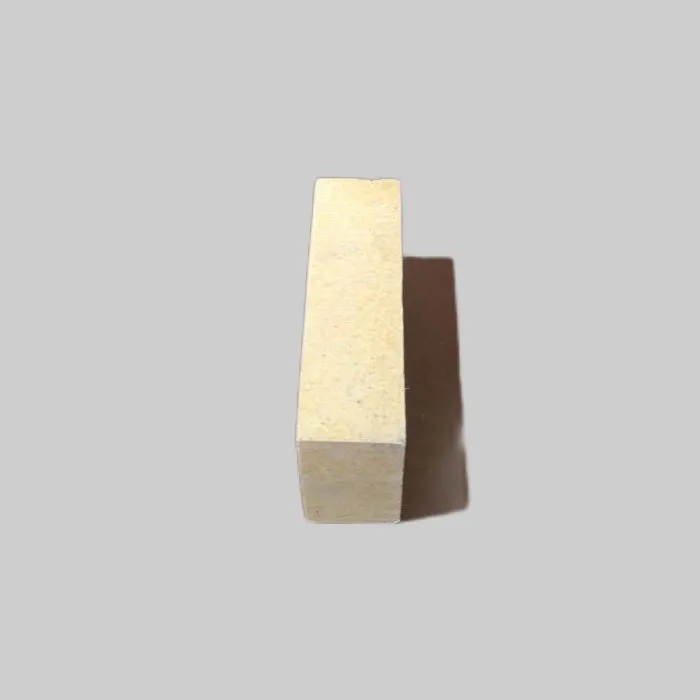
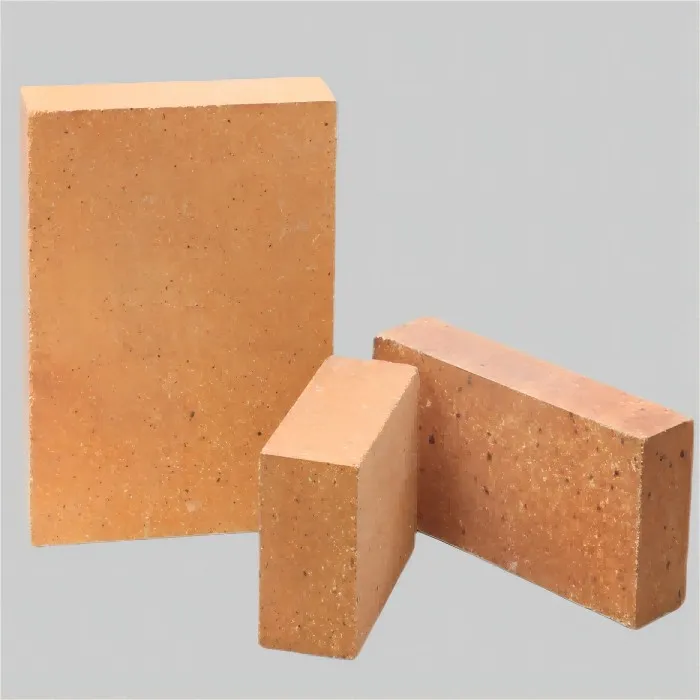
One of the key properties of high temp bricks is their refractoriness, which is the ability to withstand high temperatures without melting or deforming. High temp bricks typically have a refractoriness of over 1580 degrees Celsius, making them suitable for use in environments where extreme heat is present.
Another important property is thermal shock resistance. In a steel - making furnace, the temperature can change rapidly during the charging and discharging of materials. A high temp brick with good thermal shock resistance can withstand these rapid temperature changes without cracking or spalling.
High temp bricks also have good chemical stability. They can resist the corrosive effects of slag, molten metals, and other chemicals present in the steel - making process. This helps to extend the lifespan of the furnace lining and reduce maintenance costs.
Using High Temp Bricks in Steel - Making Furnaces
Based on the properties mentioned above, high temp bricks can indeed be used in steel - making furnaces. They are commonly used in different parts of the furnace, such as the hearth, walls, and roof.
In the hearth, where the molten steel accumulates, high temp bricks need to have high resistance to abrasion and chemical attack. The bricks act as a protective barrier between the molten metal and the furnace structure. For example, High Temp Bricks with high alumina content can provide excellent resistance to the erosive forces of the molten metal and the chemical reactions of the slag.
The walls of the steel - making furnace are subject to both high temperatures and mechanical stress. High temp bricks used here need to have good strength and thermal insulation properties. Some high temp bricks are designed with a low heat conductivity, which helps to reduce heat loss from the furnace and improve energy efficiency.
The roof of the furnace is also a critical area. It is exposed to high radiant heat and may experience thermal shock during temperature fluctuations. High temp bricks with good thermal shock resistance are essential for this part of the furnace. The Hot Blast Fire Brick is a type of high temp brick that is well - suited for the furnace roof, as it can withstand the high temperatures and thermal cycling.
Advantages of Using High Temp Bricks
- Extended Furnace Lifespan: By providing a high - quality lining, high temp bricks can significantly extend the lifespan of a steel - making furnace. This reduces the frequency of furnace relining, which is a costly and time - consuming process.
- Improved Energy Efficiency: High temp bricks with low thermal conductivity can reduce heat loss from the furnace, thereby improving energy efficiency. This can lead to significant cost savings in the long run, as less energy is required to maintain the high temperatures needed for steel production.
- Enhanced Product Quality: A stable furnace lining made of high temp bricks helps to maintain a consistent temperature and chemical environment within the furnace. This can result in better - quality steel products, as the melting and refining processes are more precise.
Considerations when Using High Temp Bricks
- Selection of the Right Type: There are different types of high temp bricks available, each with its own unique properties. For example, Medium Fire Brick may be suitable for less demanding parts of the furnace, while high - alumina high temp bricks are better for areas exposed to extreme heat and chemical attack. It is crucial to select the right type of brick based on the specific requirements of the furnace.
- Installation: Proper installation of high temp bricks is essential to ensure their performance. The bricks need to be laid correctly, with appropriate joints and seals to prevent heat leakage and the ingress of molten metal or slag.
- Maintenance: Regular maintenance of the furnace lining is necessary to detect and address any issues early on. This includes inspecting the bricks for signs of wear, erosion, or damage and replacing any damaged bricks promptly.
Conclusion
In conclusion, high temp bricks are a viable and valuable option for use in steel - making furnaces. Their high refractoriness, thermal shock resistance, and chemical stability make them well - suited to the harsh environment of these furnaces. By using high temp bricks, steel manufacturers can enjoy an extended furnace lifespan, improved energy efficiency, and enhanced product quality.
If you're in the steel - making industry and are considering using high temp bricks for your furnace, I encourage you to reach out. I'm more than happy to discuss your specific needs, provide professional advice on the selection of the right bricks, and offer a detailed quotation. Contact me to start a fruitful discussion on your high temp brick requirements, and let's work together to optimize your steel - making process.
References
- Schneider, S. & Potter, R. (2018). Refractories in Steelmaking. Elsevier.
- O'Rourke, M. (2020). Thermal Management in Industrial Furnaces. Springer.