

Hey there! As a supplier of bubble alumina, I've got a thing or two to share about how this amazing material behaves when it comes to reducing heat loss in kilns. Let's dive right in.
First off, what exactly is bubble alumina? Well, it's a lightweight, porous form of alumina that's created through a special process. The unique structure of bubble alumina gives it some pretty cool properties, especially when it comes to insulation.
So, how does it work in kilns? One of the main ways bubble alumina reduces heat loss is through its low thermal conductivity. Thermal conductivity is a measure of how well a material conducts heat. The lower the thermal conductivity, the better the material is at insulating. Bubble alumina has a relatively low thermal conductivity compared to other materials commonly used in kilns. This means that it doesn't let heat pass through it easily, helping to keep the heat inside the kiln where it belongs.
Another important factor is the porosity of bubble alumina. The pores in the material act as tiny pockets of air. Air is a great insulator because it doesn't conduct heat well. When heat tries to pass through bubble alumina, it has to travel through these air pockets, which slows down the heat transfer process. This is similar to how a down jacket keeps you warm - the air trapped between the down feathers acts as an insulator.
In addition to its insulating properties, bubble alumina is also very stable at high temperatures. Kilns operate at extremely high temperatures, and the materials used in them need to be able to withstand these conditions without breaking down or losing their properties. Bubble alumina can handle these high temperatures without any issues, making it a reliable choice for kiln insulation.
Let's talk about some of the practical benefits of using bubble alumina in kilns. One of the biggest advantages is energy savings. By reducing heat loss, bubble alumina helps kilns operate more efficiently. This means that less energy is needed to maintain the desired temperature inside the kiln, which can lead to significant cost savings over time.
Another benefit is improved product quality. When a kiln is well-insulated, the temperature inside is more consistent. This is important because many materials being processed in kilns are sensitive to temperature variations. A more consistent temperature can result in better-quality products with fewer defects.
Now, let's compare bubble alumina with some other materials used in kiln insulation. For example, High Strength Refractory Cement is a common choice. While it has good strength and can withstand high temperatures, its thermal conductivity is generally higher than that of bubble alumina. This means that it may not be as effective at reducing heat loss.
Rotary Kiln Calcined Bauxite is another material used in kilns. It has some good properties, but again, its insulating capabilities may not be as good as bubble alumina. The porous structure of bubble alumina gives it an edge when it comes to insulation.
Castable Refractory Cement 50 Lbs is also used in kiln construction. It's easy to work with, but like the other materials, it may not provide the same level of heat insulation as bubble alumina.
When it comes to installation, bubble alumina is relatively easy to work with. It can be cut, shaped, and installed in various parts of the kiln. Whether it's lining the walls, the roof, or other areas, bubble alumina can be customized to fit the specific needs of the kiln.
In terms of maintenance, bubble alumina is also low-maintenance. Once it's installed, it doesn't require a lot of upkeep. It can last for a long time without losing its insulating properties, which is great for kiln operators.
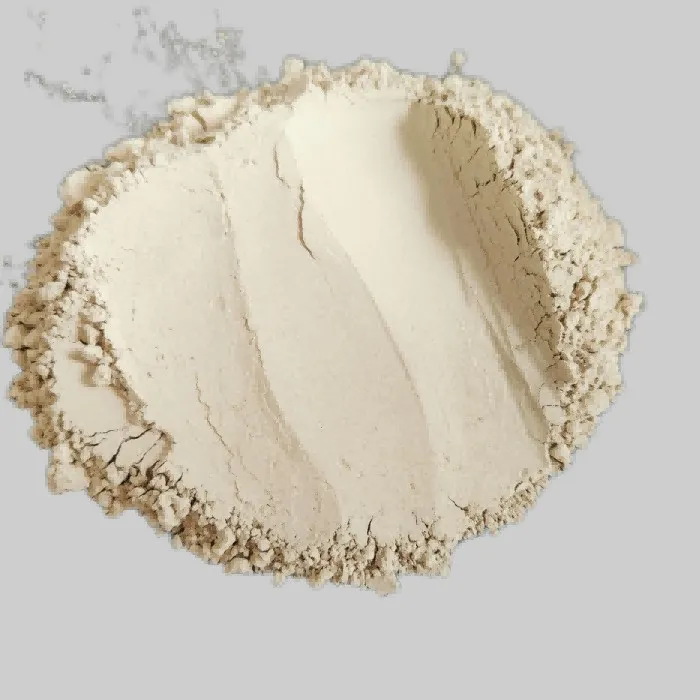
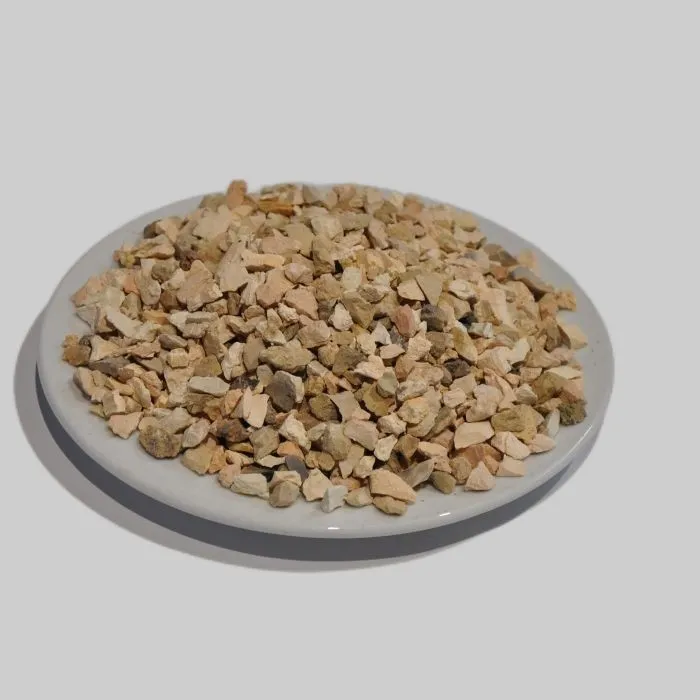
So, if you're in the market for a material to reduce heat loss in your kiln, I highly recommend considering bubble alumina. It offers a combination of excellent insulating properties, high-temperature stability, and ease of use.
If you're interested in learning more about bubble alumina or want to discuss a potential purchase, don't hesitate to reach out. We're here to help you find the right solution for your kiln needs.
References
- "Handbook of Refractory Materials"
- "Thermal Insulation in Industrial Furnaces"