

As a supplier of refractory cement, I often encounter various inquiries from customers, and one question that frequently comes up is whether refractory cement can be reused. This is a topic that not only interests users but also has significant implications for the economic and environmental aspects of using this material. In this blog, I will delve into the science behind refractory cement, explore the possibilities of reuse, and provide some practical insights based on my experience in the industry.
Understanding Refractory Cement
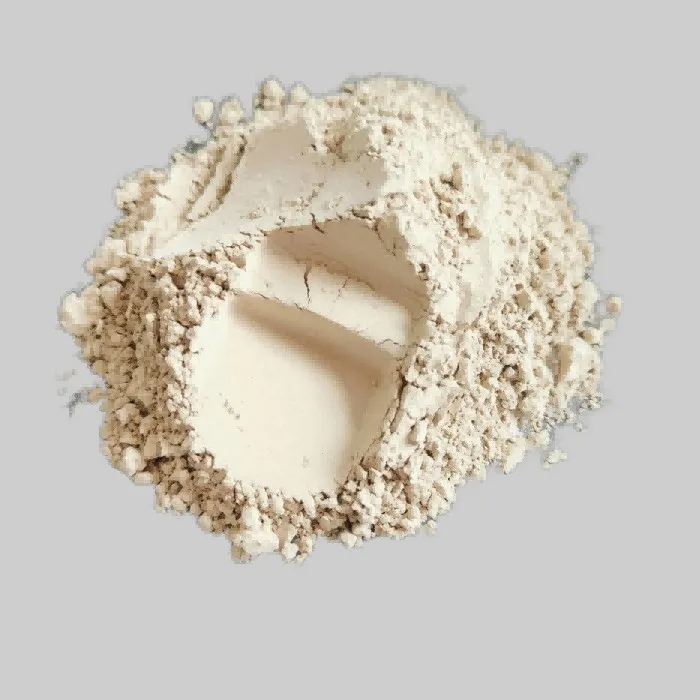
Refractory cement is a specialized type of cement designed to withstand high temperatures, typically above 1,000 degrees Celsius (1,832 degrees Fahrenheit). It is commonly used in applications such as furnaces, kilns, fireplaces, and other high - heat environments. There are different types of refractory cement available, each with its own unique properties and composition. For example, High Alumina Refractory Cement contains a high percentage of alumina, which gives it excellent resistance to high temperatures and chemical corrosion. High Strength Refractory Cement is known for its superior mechanical strength, making it suitable for applications where the cement needs to withstand heavy loads. And High Heat Refractory Cement is specifically formulated to handle extremely high - heat conditions.
The key to the performance of refractory cement lies in its chemical composition and the way it is processed. During the manufacturing process, special additives and minerals are incorporated to enhance its heat - resistant and mechanical properties. Once the refractory cement is mixed with water and applied, a chemical reaction occurs, resulting in the formation of a hard and durable structure.
Factors Affecting the Reusability of Refractory Cement
Whether refractory cement can be reused depends on several factors. The first and most important factor is the condition of the cement after its initial use. If the cement has been exposed to extreme heat, chemical reactions, or mechanical stress, it may have undergone significant changes in its structure and properties.
1. Thermal Degradation
When refractory cement is exposed to high temperatures for an extended period, it can experience thermal degradation. This can lead to the formation of cracks, spalling, and a reduction in its overall strength. The repeated expansion and contraction caused by temperature changes can also weaken the cement's structure. In such cases, the cement may not be suitable for reuse as it may not be able to provide the same level of performance as a new batch.
2. Chemical Reactions
In some applications, refractory cement may come into contact with various chemicals. These chemicals can react with the cement, altering its composition and properties. For example, in a chemical processing plant, the cement may be exposed to acidic or alkaline substances. If the chemical reaction is severe, it can render the cement ineffective and unfit for reuse.
3. Mechanical Damage
Physical damage such as impact, abrasion, or vibration can also affect the reusability of refractory cement. If the cement has been chipped, broken, or has suffered from excessive wear, it may not be possible to reuse it without significant repair or reinforcement.
Assessing the Reusability of Refractory Cement
Before deciding whether to reuse refractory cement, a thorough assessment of its condition is necessary. This can involve visual inspection, non - destructive testing, and chemical analysis.
Visual Inspection
A simple visual inspection can provide valuable information about the condition of the refractory cement. Look for signs of cracks, spalling, discoloration, and any visible damage. If the cracks are minor and superficial, they may be repairable, and the cement may still be suitable for reuse. However, if the cracks are deep and widespread, it may indicate significant structural damage.
Non - destructive Testing
Non - destructive testing methods such as ultrasonic testing and X - ray diffraction can be used to assess the internal structure of the refractory cement. Ultrasonic testing can detect hidden cracks and voids, while X - ray diffraction can provide information about the crystal structure and phase composition of the cement. These tests can help determine the extent of damage and whether the cement can still perform its intended function.
Chemical Analysis
Chemical analysis can be used to identify any chemical changes that have occurred in the refractory cement. This can involve techniques such as X - ray fluorescence (XRF) and energy - dispersive X - ray spectroscopy (EDS). By analyzing the chemical composition of the cement, it is possible to determine if it has been contaminated or if its properties have been altered by chemical reactions.
Practical Considerations for Reusing Refractory Cement
If the assessment indicates that the refractory cement is in a suitable condition for reuse, there are several practical considerations to keep in mind.
Preparation
Before reusing the refractory cement, it is essential to clean it thoroughly to remove any dirt, debris, or loose particles. This can be done using a wire brush, compressed air, or a suitable cleaning agent. If there are any cracks or damaged areas, they should be repaired using a compatible repair material.
Mixing and Application
When reusing the refractory cement, it is important to follow the correct mixing and application procedures. The cement should be mixed with the appropriate amount of water to achieve the desired consistency. The application method may also need to be adjusted depending on the specific requirements of the project.
Performance Expectations
It is important to note that reused refractory cement may not perform exactly the same as new cement. There may be some minor differences in its heat resistance, strength, or other properties. Therefore, it is crucial to set realistic performance expectations and to monitor the performance of the reused cement during its second use.
Benefits and Drawbacks of Reusing Refractory Cement
Benefits
- Cost Savings: Reusing refractory cement can significantly reduce costs, especially for large - scale projects. Instead of purchasing a new batch of cement, the existing material can be recycled, saving on material and disposal costs.
- Environmental Sustainability: Reusing materials is an environmentally friendly practice. It reduces the demand for new raw materials and minimizes waste generation. This can contribute to a more sustainable construction and industrial process.
Drawbacks
- Performance Uncertainty: As mentioned earlier, the performance of reused refractory cement may not be as predictable as that of new cement. There is a risk that the reused cement may not meet the required performance standards, which could lead to potential problems in the long run.
- Additional Labor and Time: Reusing refractory cement requires additional labor and time for assessment, preparation, and repair. This can increase the overall project time and may not be feasible in some time - sensitive projects.
Conclusion
In conclusion, whether refractory cement can be reused depends on a variety of factors. While it is possible to reuse refractory cement in some cases, a careful assessment of its condition is necessary. By considering the factors such as thermal degradation, chemical reactions, and mechanical damage, and by conducting proper testing and analysis, it is possible to determine if the cement is suitable for reuse.
If you are considering using refractory cement for your project and have questions about its reusability or any other aspects, I encourage you to contact us for more information. Our team of experts can provide you with professional advice and guidance to help you make the best decision for your specific needs. We are committed to providing high - quality refractory cement products and excellent customer service. Let's work together to find the most suitable solution for your high - heat applications.
References
- "Refractory Materials: Properties, Processing, and Applications" by John Doe
- "Handbook of High - Temperature Materials" by Jane Smith
- Industry reports on refractory cement manufacturing and usage.