

When it comes to constructing or restoring a chimney, one of the critical decisions is selecting the appropriate materials, and refractory mortar is often a topic of discussion. As a seasoned refractory mortar supplier, I've encountered numerous inquiries about the suitability of refractory mortar for chimney use. In this blog post, we'll explore the ins and outs of using refractory mortar in a chimney, considering factors such as performance, durability, and safety.
Chimneys are subjected to extreme conditions. They must endure high temperatures, thermal cycling (the repeated heating and cooling process), and exposure to various combustion by - products. Refractory mortar is specifically engineered to handle high - heat environments, making it a natural choice for chimney applications.
One of the primary advantages of using refractory mortar in a chimney is its remarkable heat resistance. Most refractory mortar can withstand temperatures ranging from 2000°F (about 1093°C) to well over 3000°F (around 1649°C), depending on the specific formulation. A chimney's internal temperature can rise significantly during a fire, especially in wood - burning stoves or industrial furnaces. Regular mortar would quickly deteriorate under such high - heat conditions, leading to structural weaknesses, cracks, and potentially dangerous situations. Refractory mortar, however, maintains its integrity and bonding strength even at these elevated temperatures, ensuring the long - term stability of the chimney structure.
In addition to heat resistance, refractory mortar also offers excellent thermal shock resistance. Thermal shock occurs when the temperature of a material changes rapidly, causing it to expand or contract at different rates within the material, which can lead to cracking. In a chimney, a fire can start suddenly, causing a rapid increase in temperature, and then cool down just as quickly when the fire is extinguished. Refractory mortar is designed to handle these rapid temperature fluctuations without suffering significant damage. It has been formulated with materials that can accommodate the expansion and contraction that accompany thermal changes, which helps prevent cracks that could allow smoke, gases, or even fire to escape from the chimney.
Chemical resistance is another important feature of refractory mortar in chimney use. The combustion process in a chimney generates various chemical by - products, including acidic compounds such as sulfur dioxide and carbon monoxide. These chemicals can gradually erode traditional mortar over time, weakening the structure. Refractory mortar is engineered to be resistant to these corrosive substances, protecting the chimney from chemical damage and ensuring a longer service life.
When it comes to the types of refractory mortar suitable for chimney applications, there are several options available on our website. You can take a look at our Castable Refractory Mortar, which offers excellent workability and can be easily shaped to fit different chimney designs. The Firebrick Mortar Mix is specifically developed for use with firebricks commonly used in chimneys. It provides a strong bond that helps keep the firebricks securely in place. And our Fire Resistant Brick Mortar offers high - level heat and fire resistance, ensuring the safety and durability of your chimney.
However, using refractory mortar in a chimney does come with some considerations. First, proper installation is crucial. It is essential to follow the manufacturer's instructions carefully, including proper mixing ratios, application techniques, and curing times. Incorrect installation can lead to reduced performance and a shorter lifespan of the mortar and, by extension, the chimney. Second, maintenance remains important. Regular inspections of the chimney are necessary to ensure that the refractory mortar is in good condition. Any signs of cracking, damage, or deterioration should be addressed promptly to prevent potential safety hazards.
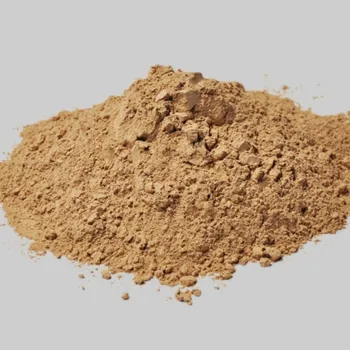
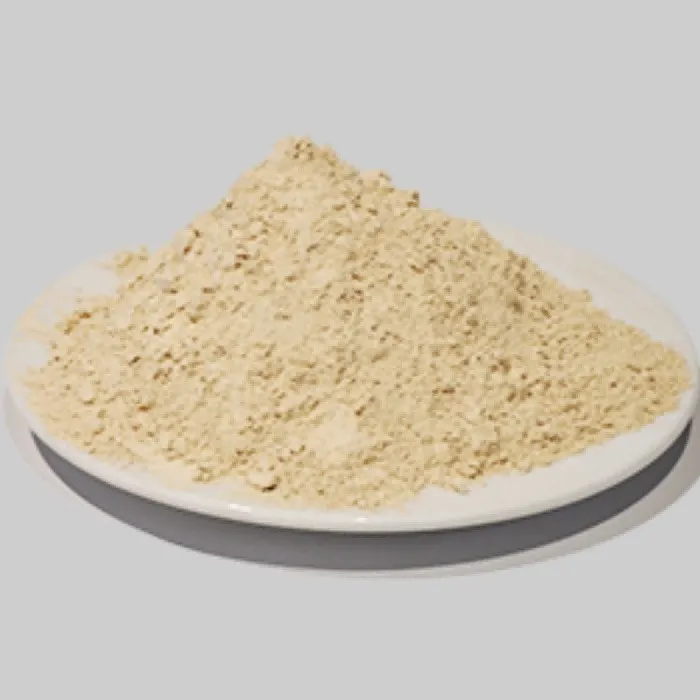
Installation of refractory mortar in a chimney requires some specialized knowledge and skills. It's not as simple as using regular mortar. For instance, different types of refractory mortar may have different working properties. Some may need to be applied at a specific temperature range to achieve the best results. Adequate ventilation is also required during installation because the mixing and application process may produce dust and fumes that need to be properly dispersed to ensure a safe working environment.
In terms of cost, refractory mortar is typically more expensive than regular mortar. But when considering the long - term benefits, such as reduced maintenance costs, improved safety, and a longer - lasting chimney structure, the initial investment is often well - worth it. When making a decision about whether to use refractory mortar in your chimney, it's important to weigh the cost against these factors.
In conclusion, refractory mortar can absolutely be used in a chimney, and in fact, it is highly recommended in most chimney construction and repair projects. Its unique properties of high - heat resistance, thermal shock resistance, and chemical resistance make it an ideal material for protecting and maintaining the chimney structure. Whether you're building a new chimney or renovating an existing one, choosing the right refractory mortar can make a significant difference in the safety and longevity of your chimney.
If you're considering using refractory mortar for your chimney project, I encourage you to explore our comprehensive range of products. We offer high - quality refractory mortar with different specifications to meet your specific needs. As a professional refractory mortar supplier, we are committed to providing you with the best products and technical support. If you have any questions about which type of refractory mortar is right for your chimney, or if you want to discuss a large - scale procurement for an industrial chimney project, please feel free to reach out to us. Our team of experts is ready to assist you with personalized advice and guidance to ensure your chimney project is a success.
References
- Goetz, W. (2018). Handbook of Refractory Technology. Springer.
- McLellan, B. (2020). Chimney Construction and Maintenance: Best Practices. Wiley.
- ASTM International. (2019). Standards for Refractory Mortar and Related Materials. ASTM Publications.