

Hey there! I'm an alumina brick supplier, and today I want to chat about how the expansion coefficient affects the use of alumina bricks.
First off, let's understand what the expansion coefficient is. In simple terms, it's a measure of how much a material expands or contracts when its temperature changes. For alumina bricks, this is a crucial factor because they're often used in high - temperature environments.
When alumina bricks are exposed to heat, they start to expand. If the expansion coefficient is too high, it can lead to some serious problems. For example, in a furnace where alumina bricks are used as lining material, excessive expansion can cause the bricks to push against each other with great force. This can result in cracking or even breaking of the bricks. Imagine a row of bricks in a furnace. As they heat up and expand, if there's no proper allowance for this expansion, the pressure builds up, and eventually, the bricks give way.
On the other hand, if the expansion coefficient is too low, it might seem like a good thing at first. But in reality, it can also pose challenges. Alumina bricks need to expand to some extent to maintain a tight seal in high - temperature applications. A very low expansion coefficient might lead to gaps forming between the bricks as the temperature rises. These gaps can allow hot gases to escape, reducing the efficiency of the furnace and potentially causing safety hazards.
Let's talk about different types of alumina bricks and how their expansion coefficients impact their use.
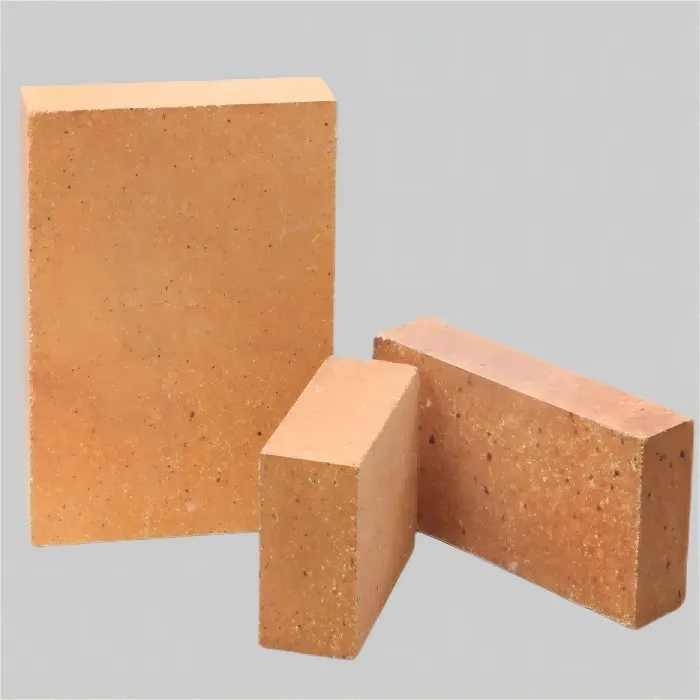
Alumina Silicate Fire Brick
Alumina Silicate Fire Brick is a popular type of alumina brick. It has a relatively moderate expansion coefficient. This makes it suitable for a wide range of applications, from small domestic kilns to large industrial furnaces. The moderate expansion allows it to expand enough to form a good seal but not so much that it causes structural damage. In a ceramic kiln, for instance, Alumina Silicate Fire Brick can withstand the repeated heating and cooling cycles without cracking easily. The expansion coefficient helps it adapt to the temperature changes gradually, ensuring a long - lasting lining for the kiln.
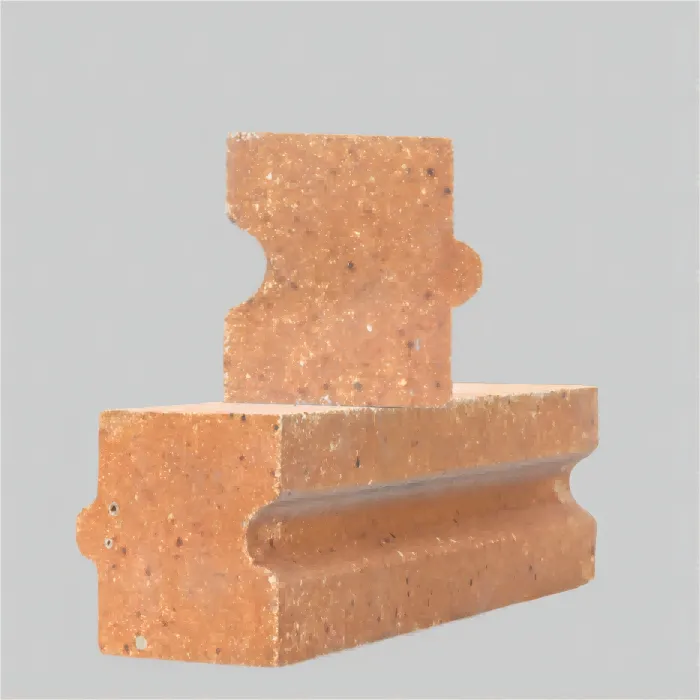
Fire Bricks with Holes
Fire Bricks with Holes are designed with a specific purpose in mind. The holes in these bricks are meant to improve heat transfer and reduce the weight of the bricks. The expansion coefficient of these bricks is carefully engineered to ensure that the holes don't get distorted during the expansion process. If the expansion coefficient is off, the holes might close up or become misshapen, which would defeat their purpose. In a heat exchanger application, where these bricks are used to transfer heat efficiently, any change in the shape of the holes can significantly reduce the heat transfer rate. So, the right expansion coefficient is essential for these bricks to work effectively.
Fire Bricks And Fire Cement
Fire Bricks And Fire Cement are often used together in high - temperature construction. The expansion coefficient of the fire bricks needs to be compatible with that of the fire cement. If the bricks expand at a much different rate than the cement, it can cause the cement to crack or break away from the bricks. This can lead to leaks and a loss of structural integrity. For example, in a fireplace installation, if the fire bricks expand more than the fire cement, the cement might start to peel off, allowing heat and smoke to escape into the room.
Now, let's consider some real - world scenarios where the expansion coefficient of alumina bricks matters.
In the steel industry, alumina bricks are used in the lining of blast furnaces. These furnaces operate at extremely high temperatures, often exceeding 1500°C. The expansion coefficient of the alumina bricks used here is carefully selected to handle the intense heat. If the bricks expand too much, they can cause the furnace lining to bulge and potentially damage the furnace structure. On the other hand, if they don't expand enough, the gaps between the bricks can allow molten steel and slag to penetrate, leading to corrosion and a shorter lifespan of the lining.
In the glass - making industry, alumina bricks are used in glass melting furnaces. The expansion coefficient affects the quality of the glass production. A well - controlled expansion coefficient ensures that the furnace lining remains intact, preventing contaminants from entering the molten glass. If the bricks expand unevenly, it can cause temperature variations in the furnace, which can lead to defects in the glass, such as bubbles or streaks.
As an alumina brick supplier, I know how important it is to choose the right alumina bricks with the appropriate expansion coefficient for different applications. We work closely with our customers to understand their specific needs and recommend the best - suited products. Whether you're building a small backyard kiln or a large industrial furnace, getting the expansion coefficient right can make all the difference in the performance and longevity of your equipment.
If you're in the market for alumina bricks, don't hesitate to reach out. We have a wide range of products to choose from, and our team of experts can help you select the perfect bricks based on your requirements. Whether it's Alumina Silicate Fire Brick, Fire Bricks with Holes, or Fire Bricks And Fire Cement, we've got you covered. Let's work together to ensure your high - temperature applications run smoothly and efficiently.
References
- "Handbook of Refractory Materials"
- "High - Temperature Materials and Their Applications"
- Industry reports on alumina brick usage in different sectors.