

As a seasoned supplier of refractory mortar, I often encounter inquiries regarding its suitability for various high - temperature applications, particularly in smelting furnaces. This blog aims to delve into the technical aspects and practical considerations to answer the question: Can refractory mortar be used in a smelting furnace?
Understanding Refractory Mortar
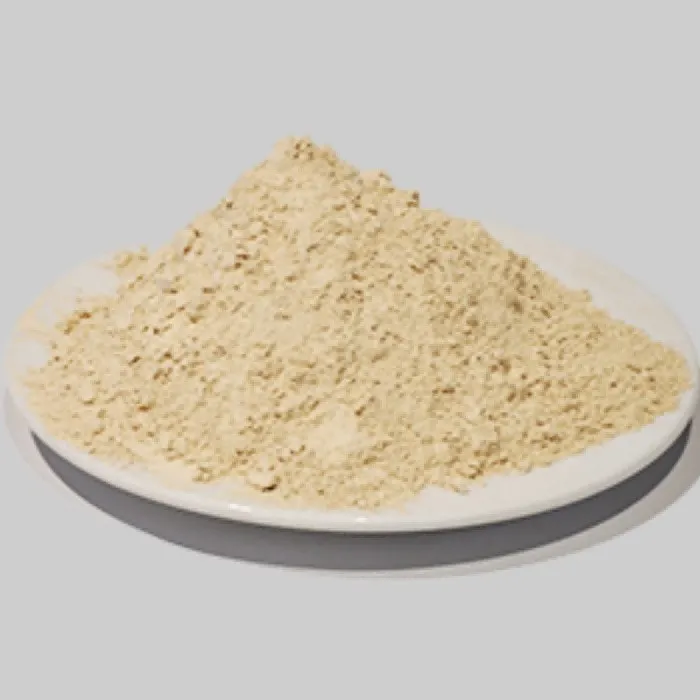
Refractory mortar is a specialized type of mortar designed to withstand high temperatures, typically above 1000°F (538°C). It is used to bond refractory bricks and other heat - resistant materials in high - temperature environments. There are different types of refractory mortar available, each with its unique properties and applications.
- Refractory Fire Clay Mortar: This type of mortar is made from fire clay, which is a natural clay with high alumina content. It offers good thermal insulation and can withstand temperatures up to 2500°F (1371°C). You can find more information about Refractory Fire Clay Mortar.
- Fireplace Refractory Mortar: Specifically formulated for use in fireplaces, this mortar can resist the thermal shock and high temperatures generated by a burning fire. It has excellent adhesion and can withstand repeated heating and cooling cycles. Check out Fireplace Refractory Mortar for more details.
- High Heat Brick Mortar: Engineered to handle extremely high temperatures, high heat brick mortar is often used in industrial settings. It provides a strong bond between bricks and can maintain its integrity under intense heat. Learn more about High Heat Brick Mortar.
Requirements of a Smelting Furnace
Smelting furnaces are used to extract metals from their ores by heating them to high temperatures. The conditions inside a smelting furnace are extremely harsh, with temperatures ranging from 1200°C to over 2000°C depending on the metal being smelted. In addition to high temperatures, smelting furnaces also experience chemical reactions, mechanical stress, and thermal shock.
- Temperature Resistance: The primary requirement for any material used in a smelting furnace is its ability to withstand high temperatures without melting or degrading. The refractory mortar must have a high melting point and good thermal stability.
- Chemical Resistance: During the smelting process, various chemical reactions occur, producing slag and other by - products. The refractory mortar should be resistant to these chemicals to prevent corrosion and erosion.
- Mechanical Strength: The mortar needs to maintain its structural integrity under the mechanical stress caused by the movement of materials inside the furnace and the weight of the refractory bricks.
- Thermal Shock Resistance: Smelting furnaces are often subjected to rapid heating and cooling cycles. The refractory mortar should be able to withstand thermal shock without cracking or spalling.
Can Refractory Mortar Be Used in a Smelting Furnace?
The answer is yes, but with certain limitations and considerations.
Advantages of Using Refractory Mortar in Smelting Furnaces
- Bonding Agent: Refractory mortar serves as an excellent bonding agent for refractory bricks, ensuring a tight and secure fit. This helps to prevent heat leakage and maintain the structural integrity of the furnace lining.
- Thermal Insulation: Some types of refractory mortar can provide additional thermal insulation, reducing heat loss from the furnace and improving energy efficiency.
- Ease of Installation: Compared to other methods of lining a smelting furnace, using refractory mortar and bricks is relatively easy and cost - effective.
Limitations and Considerations
- Temperature Limitations: Not all refractory mortars are suitable for the extremely high temperatures found in some smelting furnaces. It is crucial to select a mortar with a high enough melting point and thermal stability for the specific application.
- Chemical Compatibility: The refractory mortar must be chemically compatible with the slag and other by - products produced during the smelting process. Otherwise, it may corrode or erode over time, leading to furnace failure.
- Application and Maintenance: Proper application and maintenance of the refractory mortar are essential for its long - term performance. Incorrect installation or lack of maintenance can result in premature failure of the mortar and the furnace lining.
Selecting the Right Refractory Mortar for a Smelting Furnace
When choosing a refractory mortar for a smelting furnace, the following factors should be considered:
- Temperature Rating: Select a mortar with a temperature rating higher than the maximum operating temperature of the smelting furnace.
- Chemical Composition: Ensure that the mortar is resistant to the chemicals present in the smelting process, such as slag and fluxes.
- Thermal Conductivity: For better energy efficiency, choose a mortar with low thermal conductivity.
- Adhesion and Strength: The mortar should have good adhesion to the refractory bricks and sufficient mechanical strength to withstand the stresses inside the furnace.
Case Studies
Let's look at a few case studies to illustrate the successful use of refractory mortar in smelting furnaces.
- Copper Smelting Furnace: In a copper smelting plant, a high - alumina refractory mortar was used to line the furnace. The mortar had a high melting point and excellent chemical resistance to the copper slag. After several years of operation, the furnace lining remained in good condition, with minimal signs of corrosion or erosion.
- Iron Smelting Furnace: An iron smelting furnace utilized a special high - heat brick mortar. The mortar was able to withstand the high temperatures and mechanical stress inside the furnace. Regular inspections showed that the mortar maintained its bond with the refractory bricks, preventing heat leakage and ensuring efficient operation.
Conclusion
In conclusion, refractory mortar can be used in a smelting furnace, but careful selection and proper installation are crucial. As a refractory mortar supplier, I understand the importance of providing high - quality products that meet the specific needs of each customer. Whether you are building a new smelting furnace or repairing an existing one, choosing the right refractory mortar is essential for the long - term performance and safety of your furnace.
If you are in the market for refractory mortar for your smelting furnace or any other high - temperature application, I encourage you to reach out to me. I am more than happy to discuss your requirements, provide technical advice, and offer a solution that best suits your needs. Let's work together to ensure the success of your smelting operations.
References
- "Refractories Handbook", CRC Press.
- "High - Temperature Materials and Technologies", Woodhead Publishing.
- Industry reports on smelting furnace operations and refractory materials.