

As a seasoned supplier of magnesite bricks, I've witnessed firsthand the critical role these refractory materials play in various high - temperature industries. Magnesite bricks, known for their excellent heat resistance and chemical stability, are widely used in steelmaking, cement production, and glass manufacturing. In this blog, I'll delve into the international standards that govern magnesite bricks, helping you understand the key factors that ensure their quality and performance.
Chemical Composition Standards
The chemical composition of magnesite bricks is of utmost importance as it directly influences their physical and chemical properties. Internationally, the primary component of magnesite bricks is magnesium oxide (MgO). High - quality magnesite bricks typically have a MgO content of at least 85%. For example, in steelmaking converters, where the environment is extremely harsh with high - temperature molten steel and slag, magnesite bricks with a high MgO content can better resist corrosion and erosion.
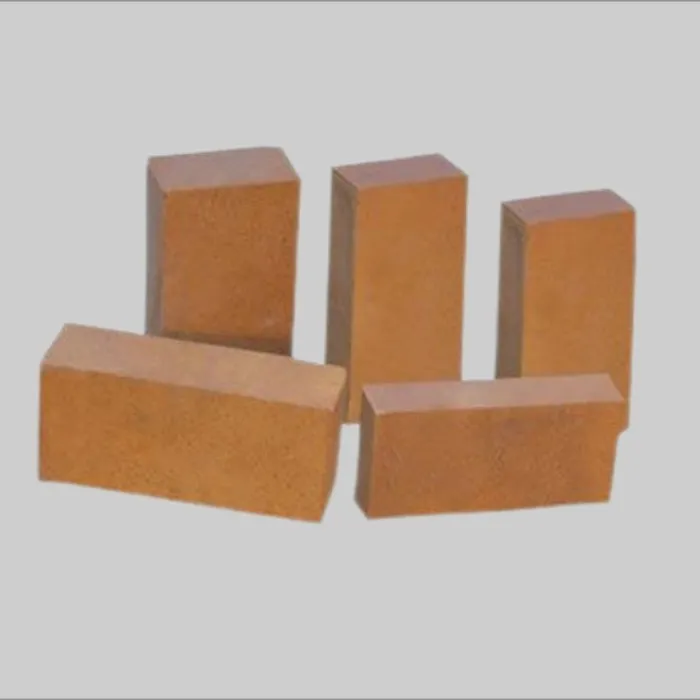
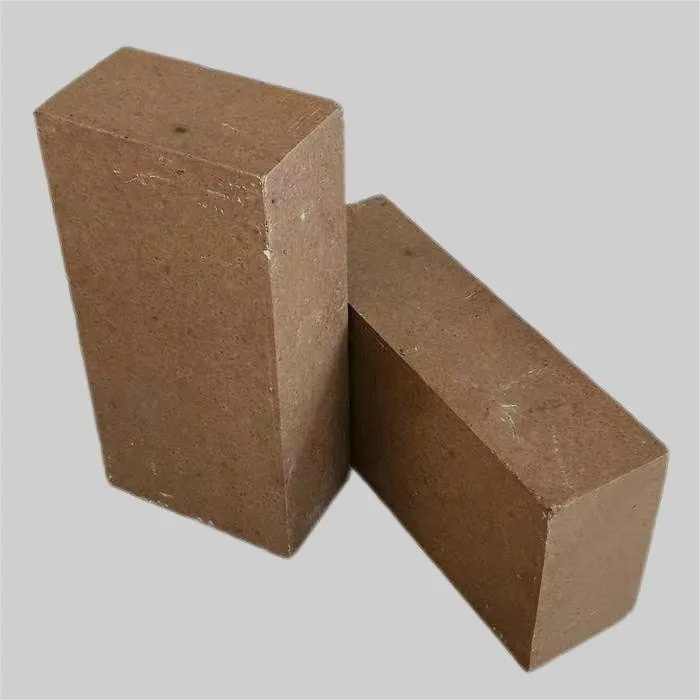
The presence of impurities such as silica (SiO₂), calcium oxide (CaO), and iron oxide (Fe₂O₃) is also strictly regulated. Silica can react with magnesium oxide at high temperatures to form low - melting - point compounds, which may reduce the refractoriness of the bricks. International standards usually limit the SiO₂ content to less than 5%. Calcium oxide can improve the volume stability of magnesite bricks, but excessive amounts can also lead to the formation of unstable compounds. The Fe₂O₃ content is generally controlled below 3% to prevent the bricks from being affected by oxidation and reducing their service life.
Physical Property Standards
Bulk Density
Bulk density is an important physical property of magnesite bricks. It reflects the compactness of the bricks and is related to their strength and thermal conductivity. International standards specify different bulk density requirements according to the type and application of magnesite bricks. For example, in general - purpose magnesite bricks, the bulk density is usually in the range of 2.8 - 3.2 g/cm³. Higher bulk density often indicates better strength and resistance to mechanical damage, but it may also lead to higher thermal conductivity.
Apparent Porosity
Apparent porosity is another crucial physical property. It represents the proportion of open pores in the bricks. A lower apparent porosity means better resistance to gas penetration and slag infiltration. For magnesite bricks used in high - temperature and corrosive environments, the apparent porosity is typically required to be less than 20%. This helps to protect the bricks from being corroded by molten slag and gases, thereby extending their service life.
Refractoriness
Refractoriness refers to the ability of magnesite bricks to withstand high temperatures without melting or deforming. International standards require that magnesite bricks have a refractoriness of at least 1750°C. In some special applications, such as in the lining of high - temperature furnaces in the steel industry, the refractoriness may need to be even higher, up to 1900°C. This ensures that the bricks can maintain their structural integrity and performance under extreme temperature conditions.
Cold Crushing Strength
Cold crushing strength measures the ability of magnesite bricks to withstand compressive loads at room temperature. It is an important indicator of the bricks' mechanical strength. International standards usually require the cold crushing strength of magnesite bricks to be greater than 30 MPa. In industrial applications, magnesite bricks often need to withstand the weight of the furnace lining, the pressure of molten materials, and mechanical vibrations. Sufficient cold crushing strength ensures that the bricks can maintain their shape and structure during installation and use.
Dimensional Tolerance Standards
Accurate dimensions are essential for the proper installation and use of magnesite bricks. International standards define strict dimensional tolerance requirements for magnesite bricks. For example, the length, width, and height of the bricks should have a tolerance of ±1 - 2 mm. This ensures that the bricks can be neatly stacked and assembled in the furnace lining, reducing the gaps between the bricks and preventing the leakage of hot gases and molten materials. The flatness and straightness of the brick surfaces are also strictly controlled to ensure a good fit between the bricks.
Thermal Property Standards
Thermal Conductivity
Thermal conductivity is an important thermal property of magnesite bricks. It affects the energy consumption and heat transfer efficiency of the furnace. International standards specify different thermal conductivity requirements according to the application of the bricks. In general, for magnesite bricks used in energy - saving furnaces, lower thermal conductivity is preferred to reduce heat loss. The thermal conductivity of magnesite bricks is usually in the range of 2 - 4 W/(m·K) at high temperatures.
Thermal Expansion Coefficient
The thermal expansion coefficient reflects the change in volume of magnesite bricks with temperature. A stable thermal expansion coefficient is crucial to prevent the bricks from cracking due to thermal stress during heating and cooling cycles. International standards require that the thermal expansion coefficient of magnesite bricks be within a certain range. For example, in the temperature range of 20 - 1000°C, the linear thermal expansion coefficient is usually controlled between 10 - 15×10⁻⁶/°C.
International Certification and Testing
To ensure that magnesite bricks meet international standards, various international certifications and testing methods are available. For example, the ISO (International Organization for Standardization) has developed a series of standards for refractory materials, including magnesite bricks. Products that meet ISO standards are recognized worldwide for their quality and performance.
In addition, there are also testing methods such as chemical analysis, physical property testing, and thermal property testing. Chemical analysis can accurately determine the chemical composition of magnesite bricks, while physical and thermal property testing can verify whether the bricks meet the specified standards. Suppliers usually conduct these tests on their products before delivery to ensure their quality.
As a magnesite brick supplier, we are committed to providing high - quality products that meet international standards. Our Magnesia Refractory Bricks, Magnesite Refractory Bricks, and Magnesia Brick are produced using advanced technology and strict quality control processes. We understand the importance of these standards in ensuring the performance and reliability of our products.
If you are in need of magnesite bricks for your industrial applications, we invite you to contact us for procurement and negotiation. Our professional team will provide you with detailed product information and customized solutions to meet your specific requirements.
References
- ASTM International. Standards for refractory materials.
- ISO. International standards for refractory products.
- Industry research reports on magnesite bricks and refractory materials.