

Hey there! As a supplier of refractory mortar, I often get questions from folks in the industry about where and how our products can be used. One question that pops up quite a bit is, "Can refractory mortar be used in a steelmaking furnace?" Well, let's dive right into it and find out.
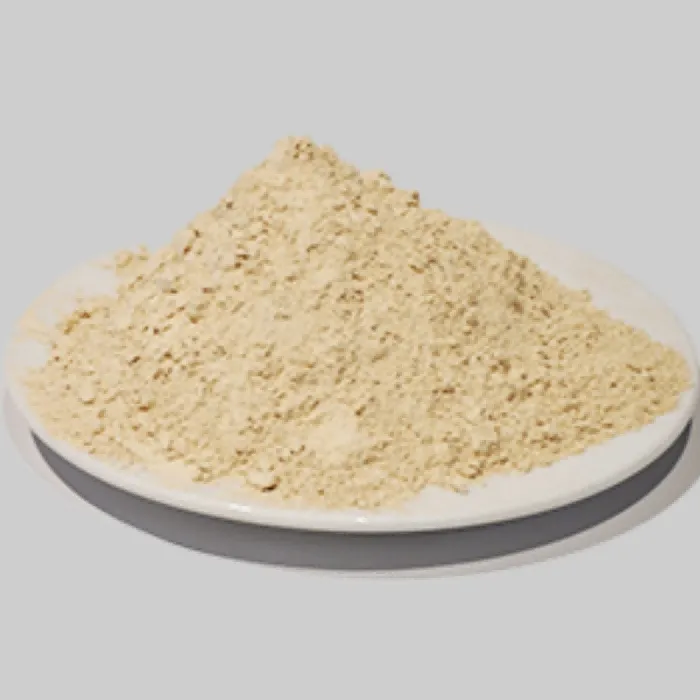
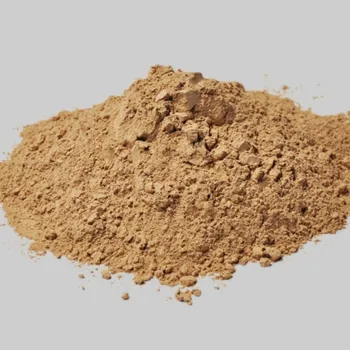
First off, let's talk a bit about what refractory mortar is. Refractory mortar is a special type of mortar designed to withstand high temperatures. It's used to bond refractory bricks together in various high - heat applications. There are different types of refractory mortar, like Castable Refractory Mortar, Firebrick Mortar Mix, and Fire Resistant Brick Mortar. Each type has its own unique properties and is suitable for different situations.
Now, let's look at the steelmaking furnace. Steelmaking furnaces are some of the most extreme high - heat environments out there. Temperatures in these furnaces can reach up to 1600°C (about 2912°F) or even higher. These high temperatures are necessary to melt the iron and other metals to produce steel. The furnace also experiences a lot of mechanical stress, chemical corrosion from the slag and other substances in the steelmaking process, and thermal shock as the temperature fluctuates during operation.
So, can refractory mortar handle all this? The answer is yes, but with some important considerations.
Suitability of Refractory Mortar in Steelmaking Furnaces
Temperature Resistance
One of the most crucial factors is temperature resistance. Good refractory mortar has to be able to maintain its integrity at the extremely high temperatures inside a steelmaking furnace. Our refractory mortars are formulated with high - quality raw materials that can withstand these temperatures. For example, some of our products contain alumina, which has excellent heat - resistant properties. Alumina can resist temperatures well above the operating temperatures of most steelmaking furnaces, ensuring that the mortar doesn't break down or lose its bonding strength.
Chemical Resistance
In a steelmaking furnace, there are various chemical substances present. Slag, which is a by - product of the steelmaking process, is highly corrosive. It contains oxides of silicon, calcium, and other elements that can react with the refractory mortar. Our refractory mortars are designed to be chemically resistant to these substances. They have a low porosity, which reduces the penetration of corrosive chemicals into the mortar. This helps to prevent the mortar from being eroded and maintains the structural integrity of the refractory lining in the furnace.
Thermal Shock Resistance
Thermal shock occurs when there are rapid changes in temperature. In a steelmaking furnace, the temperature can change quickly during the charging and tapping processes. A good refractory mortar needs to be able to withstand these thermal shocks without cracking or spalling. Our refractory mortars are engineered to have a high thermal shock resistance. They have a balanced coefficient of thermal expansion, which means they expand and contract at a similar rate to the refractory bricks they are bonding. This reduces the stress on the mortar and the bricks, preventing damage from thermal shock.
Mechanical Strength
The mechanical stress in a steelmaking furnace is significant. There are forces from the movement of the molten metal, the charging and discharging of materials, and the vibrations during operation. Refractory mortar needs to have sufficient mechanical strength to hold the refractory bricks in place. Our products are tested to ensure they can withstand these mechanical forces. They have a high compressive strength, which allows them to resist the pressure and keep the furnace lining intact.
Types of Refractory Mortar for Steelmaking Furnaces
Low - Cement Castable Mortar
Castable Refractory Mortar is a popular choice for steelmaking furnaces. Low - cement castable mortar is especially well - suited. It has a low water content, which results in a denser and more durable structure after casting. This type of mortar can be easily shaped and installed, making it ideal for complex furnace designs. It also has good thermal shock resistance and chemical resistance, which are essential for the harsh environment of a steelmaking furnace.
Firebrick Mortar Mix
Firebrick Mortar Mix is another option. It is designed specifically for bonding firebricks, which are commonly used in the lining of steelmaking furnaces. This type of mortar has a high alumina content, which provides excellent heat resistance. It also has good adhesion properties, ensuring a strong bond between the bricks.
Fire Resistant Brick Mortar
Fire Resistant Brick Mortar is formulated to have a high degree of fire resistance. It can be used in areas of the furnace where the temperature is extremely high. This mortar is often used in the hearth and the walls of the furnace, where it needs to withstand the direct contact with the molten metal and the high - temperature gases.
Installation and Maintenance
Proper installation of refractory mortar is crucial for its performance in a steelmaking furnace. The surface of the refractory bricks needs to be clean and dry before applying the mortar. The mortar should be mixed according to the manufacturer's instructions to ensure the right consistency. During installation, it's important to apply the mortar evenly and to use the correct thickness. A too - thick or too - thin layer of mortar can affect its performance.
Maintenance is also important. Regular inspections of the furnace lining should be carried out to check for any signs of damage to the refractory mortar. If there are any cracks or areas where the mortar has been eroded, they should be repaired promptly. This can help to extend the lifespan of the furnace lining and ensure the safe and efficient operation of the steelmaking process.
Why Choose Our Refractory Mortar
As a supplier, we take pride in our products. Our refractory mortars are made with the highest quality raw materials and are manufactured using advanced production techniques. We have a team of experts who are constantly researching and developing new formulations to improve the performance of our products.
We also offer excellent customer service. We can provide technical support to help you choose the right refractory mortar for your specific steelmaking furnace. Whether you need advice on installation, maintenance, or troubleshooting, our team is here to help.
If you're in the steelmaking industry and are looking for a reliable refractory mortar supplier, we'd love to hear from you. Our refractory mortars can help you ensure the efficient and long - lasting operation of your steelmaking furnace.
If you're interested in learning more about our products or discussing your specific requirements, don't hesitate to get in touch. We're ready to start a conversation and help you find the best refractory mortar solution for your steelmaking furnace.
References
- "High - Temperature Materials and Their Applications" by John Wiley & Sons
- "Handbook of Refractories" by Marcel Dekker
- Technical reports from our in - house research and development department