

Can refractory mortar be used in a tin smelting furnace?
As a supplier of refractory mortar, I often receive inquiries from customers about the suitability of our products for various industrial applications. One question that frequently comes up is whether refractory mortar can be used in a tin smelting furnace. In this blog post, I will delve into this topic, exploring the properties of refractory mortar, the requirements of tin smelting furnaces, and whether our refractory mortar can meet these needs.
Understanding Refractory Mortar
Refractory mortar is a specialized type of mortar designed to withstand high temperatures and harsh chemical environments. It is commonly used in the construction and repair of furnaces, kilns, fireplaces, and other high - temperature applications. There are different types of refractory mortar available, each with its own unique properties and composition.
- High Heat Brick Mortar: This type of mortar is formulated to resist extremely high temperatures. It is often used in applications where the temperature can reach several hundred degrees Celsius. You can learn more about High Heat Brick Mortar.
- High Alumina Mortar: High alumina mortar contains a high percentage of alumina, which gives it excellent thermal stability and resistance to chemical attack. It is suitable for use in environments where there are aggressive chemicals present. Check out High Alumina Mortar for more details.
- Firebrick Mortar Mix: Firebrick mortar mix is specifically designed for use with firebricks. It has good adhesion and can withstand the thermal expansion and contraction that occurs during heating and cooling cycles. You can find more information about Firebrick Mortar Mix.
Requirements of a Tin Smelting Furnace
Tin smelting is a process that involves heating tin ore to extract pure tin metal. The tin smelting furnace operates at high temperatures, typically ranging from 1200°C to 1300°C. In addition to high temperatures, the furnace also experiences mechanical stress due to the movement of materials and the expansion and contraction of the furnace structure.
The furnace lining is exposed to various chemical substances during the smelting process, including tin oxides, fluxes, and other impurities. These chemicals can react with the lining material, causing corrosion and erosion over time. Therefore, the lining material and the mortar used to bond the bricks must be able to resist chemical attack and maintain their integrity under these harsh conditions.
Can Refractory Mortar Be Used in a Tin Smelting Furnace?
The answer is yes, refractory mortar can be used in a tin smelting furnace, but it must meet certain requirements.
- Temperature Resistance: The primary requirement for refractory mortar in a tin smelting furnace is its ability to withstand high temperatures. The mortar should have a high melting point and be able to maintain its strength and integrity at the operating temperature of the furnace. Our high - heat brick mortar and high alumina mortar are designed to handle high - temperature applications and can be suitable for use in tin smelting furnaces.
- Chemical Resistance: As mentioned earlier, the furnace lining is exposed to various chemicals during the smelting process. The refractory mortar should be resistant to chemical attack from tin oxides, fluxes, and other impurities. High alumina mortar, with its high alumina content, has excellent chemical resistance and can protect the furnace lining from corrosion and erosion.
- Mechanical Strength: The mortar must also have sufficient mechanical strength to withstand the mechanical stress caused by the movement of materials and the thermal expansion and contraction of the furnace structure. It should have good adhesion to the firebricks and be able to hold the lining together under these conditions.
Selecting the Right Refractory Mortar for a Tin Smelting Furnace
When selecting a refractory mortar for a tin smelting furnace, several factors need to be considered:
- Temperature Range: Determine the maximum operating temperature of the furnace and choose a mortar that can withstand this temperature. Our high - heat brick mortar is suitable for high - temperature applications and can handle temperatures up to 1600°C.
- Chemical Environment: Analyze the chemical substances present in the furnace and select a mortar that is resistant to these chemicals. High alumina mortar is a good choice for environments with aggressive chemicals.
- Application Method: Consider the application method of the mortar. Some mortars are designed for trowel application, while others can be sprayed. Choose a mortar that is suitable for the installation method of your furnace lining.
Installation and Maintenance
Proper installation and maintenance are crucial for the performance of refractory mortar in a tin smelting furnace.
- Installation: Follow the manufacturer's instructions carefully during the installation process. Ensure that the surface of the firebricks is clean and dry before applying the mortar. Use the correct amount of mortar and apply it evenly to ensure a strong bond between the bricks.
- Curing: After installation, allow the mortar to cure properly. Curing time may vary depending on the type of mortar and the environmental conditions. Follow the recommended curing time to ensure that the mortar reaches its maximum strength.
- Maintenance: Regularly inspect the furnace lining and the mortar joints for signs of damage or wear. If any damage is detected, repair it immediately to prevent further deterioration.
Conclusion
In conclusion, refractory mortar can be used in a tin smelting furnace, provided that it meets the requirements of high - temperature resistance, chemical resistance, and mechanical strength. As a supplier of refractory mortar, we offer a range of products, including High Heat Brick Mortar, High Alumina Mortar, and Firebrick Mortar Mix, that are suitable for use in tin smelting furnaces.
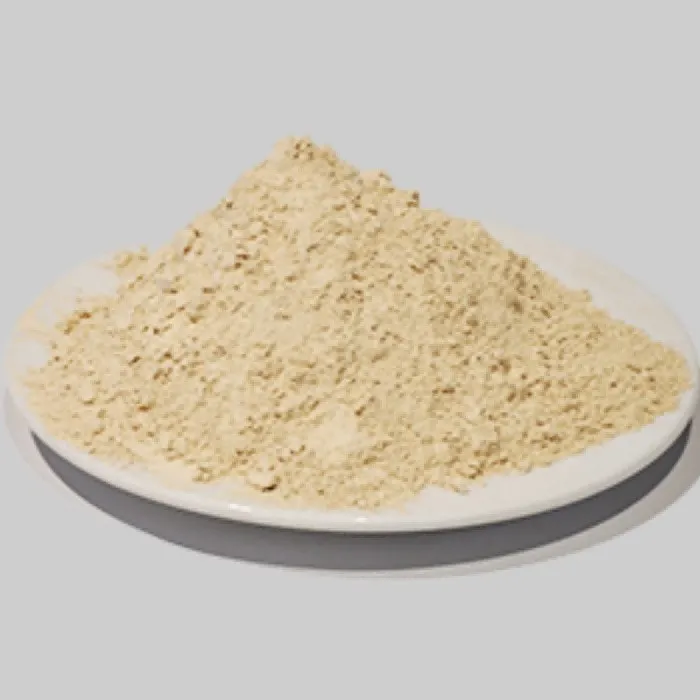
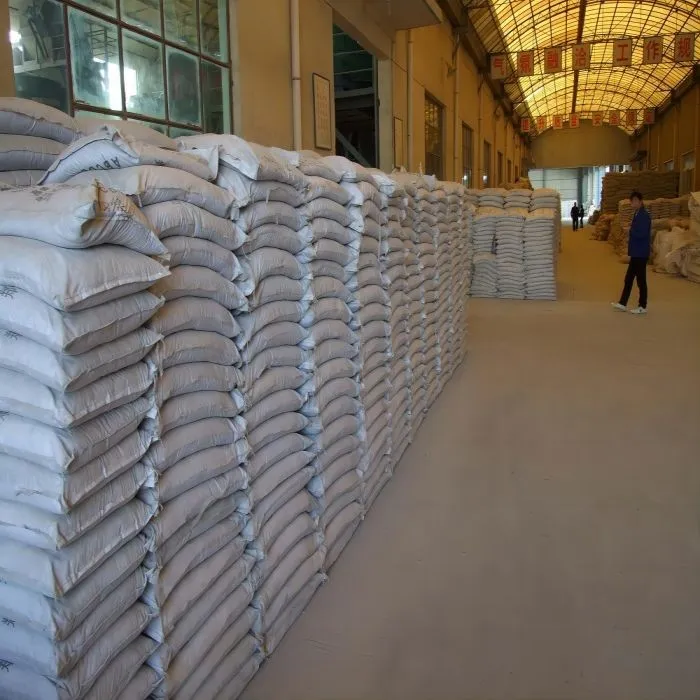
If you are in the market for refractory mortar for your tin smelting furnace or have any questions about our products, please do not hesitate to contact us. We are committed to providing high - quality products and professional technical support to meet your needs. Let's start a conversation about your project and find the best refractory mortar solution for you.
References
- ASTM International. (20XX). Standard test methods for refractory materials.
- Perry, R. H., & Green, D. W. (20XX). Perry's Chemical Engineers' Handbook.