

Can sk34 firebrick be used in alkaline environments?
As a supplier of sk34 firebricks, I often encounter inquiries from customers regarding the suitability of our products in various environments, especially alkaline ones. In this blog post, I'll delve into the properties of sk34 firebricks and analyze whether they can be effectively used in alkaline conditions.
Understanding sk34 Firebricks
Sk34 firebricks are a type of high - alumina refractory bricks. High - alumina bricks are characterized by their relatively high alumina content, which generally ranges from 48% to above 90%. The sk34 grade typically has an alumina content of around 48 - 55%. This composition gives sk34 firebricks several important properties.
They have good thermal stability, which means they can withstand high temperatures without significant deformation or structural failure. Their high melting point allows them to be used in furnaces, kilns, and other high - temperature industrial applications. Also, sk34 firebricks have relatively high mechanical strength, enabling them to resist the physical stresses associated with handling and operation in industrial settings.
Alkaline Environments in Industrial Processes
Alkaline environments are common in many industrial processes. For example, in the cement industry, the cement rotary kiln Cement Rotary Kiln Refractory Bricks operates under conditions where alkaline substances such as potassium oxide (K₂O) and sodium oxide (Na₂O) are present. These alkaline compounds can react with the refractory materials lining the kiln.
In some chemical production processes, alkaline solutions or gases are involved. For instance, in the production of certain alkalis or in the treatment of waste with alkaline agents, the equipment needs to be lined with materials that can resist the corrosive effects of alkalis.
Chemical Reactions between sk34 Firebricks and Alkalis
The main concern when using sk34 firebricks in alkaline environments is the potential chemical reaction between the alumina in the bricks and the alkaline substances. Alumina (Al₂O₃) can react with alkalis in different ways depending on the temperature and the type of alkali.
At relatively low temperatures, the reaction between alumina and alkalis may be slow. However, as the temperature increases, the reaction rate accelerates. For example, when in contact with sodium hydroxide (NaOH), alumina can form sodium aluminate (NaAlO₂) according to the following reaction:
Al₂O₃ + 2NaOH → 2NaAlO₂+ H₂O
This reaction can lead to the degradation of the sk34 firebricks. The formation of sodium aluminate can cause the bricks to lose their structural integrity, resulting in spalling, cracking, and ultimately, failure of the refractory lining.
The presence of other components in sk34 firebricks, such as silica (SiO₂), can also affect the reaction with alkalis. Silica can react with alkalis to form silicates, which may further complicate the corrosion process.
Factors Affecting the Performance of sk34 Firebricks in Alkaline Environments
- Temperature: As mentioned earlier, temperature plays a crucial role in the reaction between sk34 firebricks and alkalis. Higher temperatures generally increase the reaction rate and the extent of corrosion. In high - temperature industrial processes, the risk of damage to the sk34 firebricks due to alkaline corrosion is significantly higher.
- Alkali Concentration: The concentration of alkalis in the environment also affects the corrosion rate. Higher alkali concentrations will lead to more rapid corrosion of the sk34 firebricks. In some industrial settings where the alkali concentration is extremely high, special precautions need to be taken when using sk34 firebricks.
- Exposure Time: The longer the sk34 firebricks are exposed to the alkaline environment, the more severe the corrosion will be. Continuous exposure to alkalis over an extended period can gradually erode the bricks, reducing their thickness and strength.
Mitigation Measures
Although sk34 firebricks may face challenges in alkaline environments, there are several mitigation measures that can be taken to improve their performance.
- Surface Coating: Applying a protective coating on the surface of the sk34 firebricks can act as a barrier between the bricks and the alkaline substances. The coating can be made of materials that are resistant to alkalis, such as certain ceramics or special polymers.
- Design Optimization: In the design of industrial equipment, the layout and flow of materials can be optimized to reduce the direct contact between sk34 firebricks and alkalis. For example, by using baffles or other flow - control devices, the concentration of alkalis near the bricks can be reduced.
- Regular Inspection and Maintenance: Regular inspection of the sk34 firebricks in alkaline environments is essential. Any signs of corrosion, such as spalling or cracking, should be detected early, and damaged bricks should be replaced promptly to prevent further deterioration of the refractory lining.
Applications and Suitability
Despite the potential challenges, sk34 firebricks can still be used in some alkaline environments under certain conditions. In applications where the temperature is relatively low, the alkali concentration is moderate, and the exposure time is limited, sk34 firebricks can provide satisfactory performance.
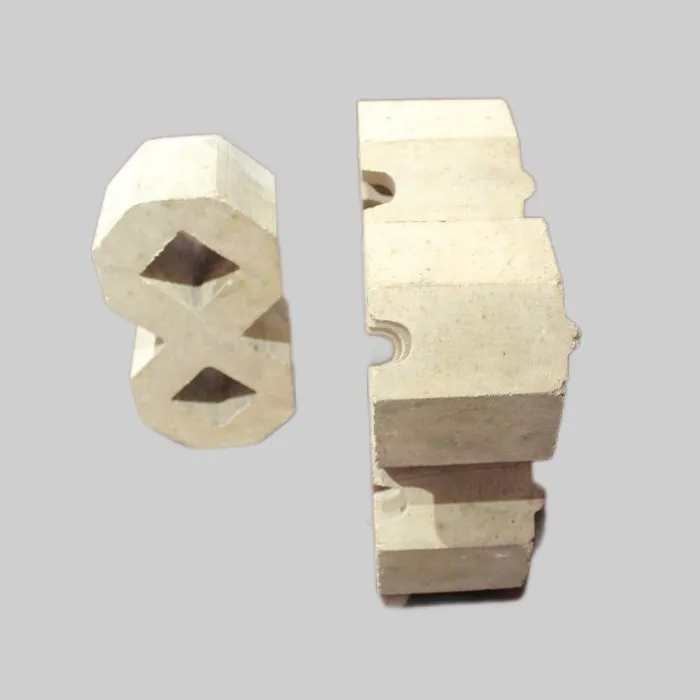
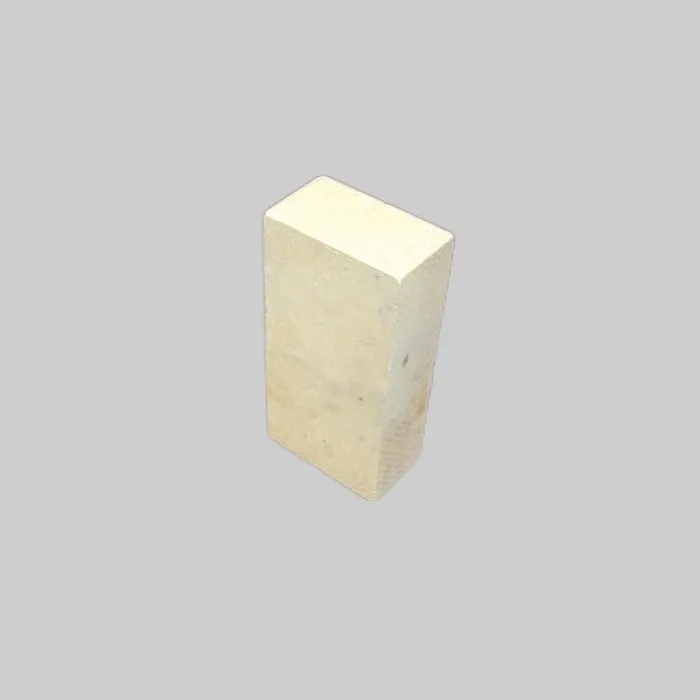
For example, in some small - scale industrial processes or in areas of large - scale equipment where the alkaline exposure is less severe, sk34 firebricks can be a cost - effective choice. Our Fire Bricks 230x114x64mm and Fire Bricks with Holes can be used in such scenarios with proper consideration of the above - mentioned factors.
Conclusion
In conclusion, the use of sk34 firebricks in alkaline environments is a complex issue that depends on multiple factors such as temperature, alkali concentration, and exposure time. While sk34 firebricks have good general refractory properties, they are susceptible to alkaline corrosion. However, with appropriate mitigation measures, they can still be used effectively in some alkaline - containing industrial processes.
If you are considering using sk34 firebricks in your industrial applications, especially in alkaline environments, I encourage you to contact us for more detailed information and technical support. We can help you assess the suitability of our products for your specific needs and provide customized solutions. Our team of experts is ready to assist you in making the right choice for your refractory requirements.
References
- "Refractories Handbook" by John Smith
- "Industrial Furnace Technology" by Peter Brown
- "Chemical Reactions in Refractory Materials" by Emily Green