

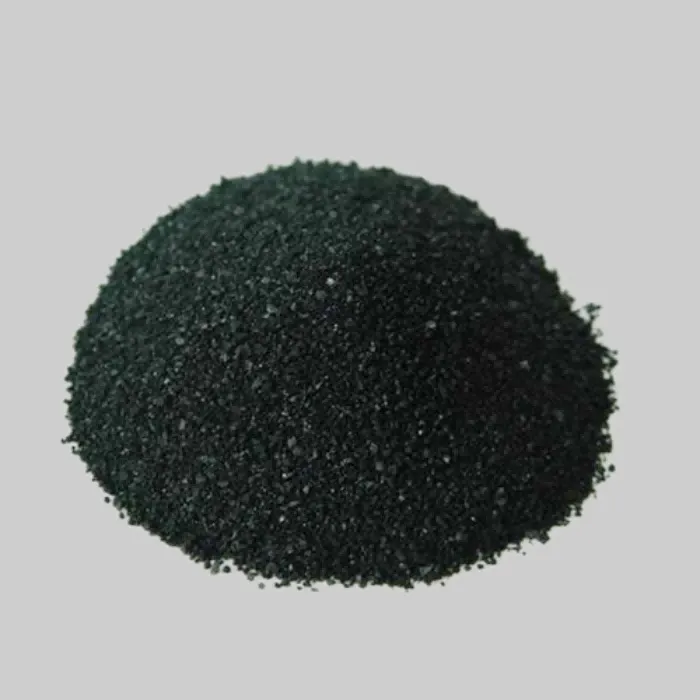
Product description
Drainage Agent is chemicals or materials used to enhance soil drainage, prevent waterlogging, and improve water flow through soil or other materials. Our products are often used in agricultural, construction, and environmental management applications to promote efficient water flow, reduce soil compaction, and improve soil aeration.
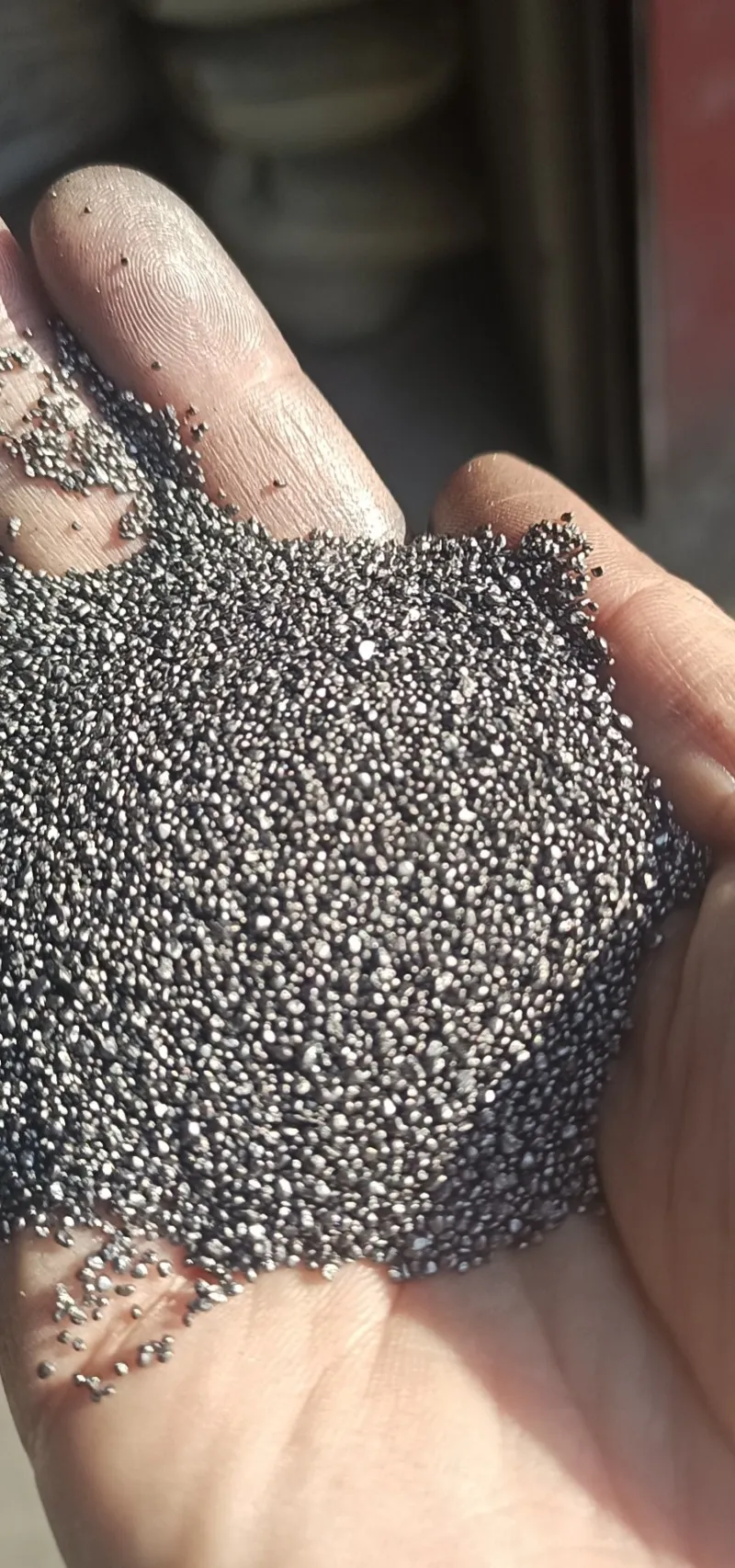
Feature
Improve soil permeability
Our products change the physical structure of the soil to allow water to penetrate and flow more quickly. Secondly, the soil permeability of the soil using Drainage Agent can be increased by 30%-40%, and the drainage time is shortened by about half compared to the soil without drainage agent.
Extend the service life of the soil
Ordinary soil is prone to compaction, reduced permeability, and even the problem of water not being able to be effectively drained under long-term water immersion and mechanical pressure. The use of our products can extend the life of the soil by about 20%-30%
Excellent adaptability
The Drainage Agent are suitable for various soil types, including clay, sandy, soil and loam. Whether in arid areas or humid climates, it can play an excellent drainage effect.
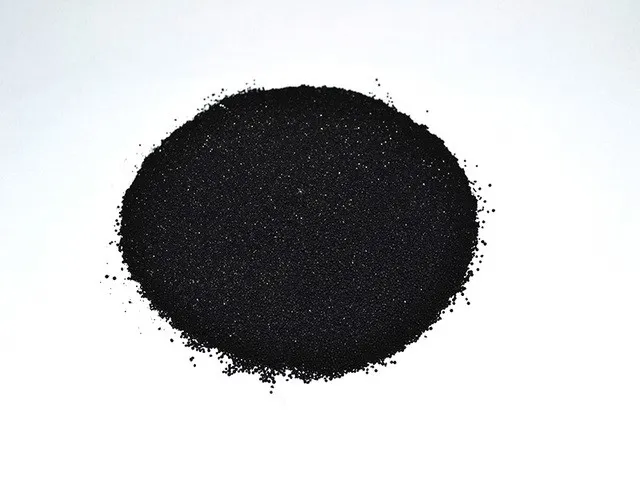
Physical and chemical index of drainage agent
|
product Index |
Cr₂O₃% |
A1₂O₃% |
SiO₂% |
Fe₂O₃% |
H₂O% |
|
Silicon |
- |
- |
90-98 |
- |
≤0.3 |
|
Chrome |
15-30 |
10-20 |
65-30 |
6-15 |
≤0.3 |
|
Chrome |
≥30 |
≥8 |
≤30 |
≥20 |
≤0.3 |
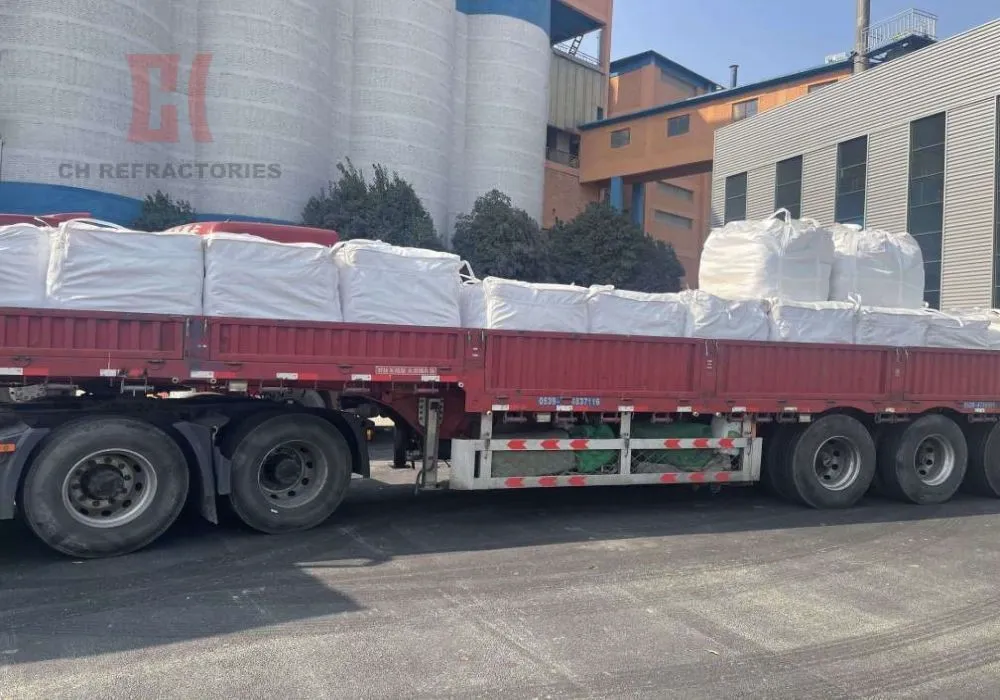
Packages and delivery:
FAQ
Q: What is a drainage agent?
A: A drainage agent is a chemical substance used to improve the flow of water through soil or construction materials, reducing the effects of waterlogging and enhancing drainage efficiency.
Q: How do drainage agents work?
A: Drainage agents work by reducing the surface tension of water, allowing it to flow more easily through the soil or porous materials. This helps prevent water accumulation and promotes faster drainage.
Q: What are the common types of drainage agents?
A: Common types of drainage agents include surfactants, polymer-based agents, and clay stabilizers, each serving different purposes in soil or material drainage improvement.
Q: Where are drainage agents typically used?
A: Drainage agents are used in agriculture, construction, and water management systems, including land drainage, road construction, and soil treatment to enhance water runoff and absorption.
Q: Are drainage agents environmentally friendly?
A: Some drainage agents are environmentally friendly, being biodegradable and non-toxic to plants and animals. However, it's important to choose agents that comply with environmental standards.
Q: Can drainage agents improve soil health?
A: Yes, by reducing waterlogging and promoting better drainage, drainage agents can help improve soil aeration, prevent root rot, and create a better environment for plant growth.
Q: Are drainage agents effective in all soil types?
A: Drainage agents are most effective in clayey or compacted soils where water drainage is poor. They may be less effective in sandy soils, which naturally have good drainage.
Q: What are the benefits of using drainage agents in construction?
A: In construction, drainage agents help reduce water accumulation in building foundations, roadbeds, and underground structures, preventing water damage, erosion, and structural instability.
Q: How should drainage agents be applied?
A: Drainage agents are typically mixed with water and applied through irrigation systems, sprayed directly onto the soil, or mixed with construction materials like concrete and asphalt.
Q: Are there any risks associated with using drainage agents?
A: If misused, certain drainage agents can affect soil pH, harm plant roots, or contaminate groundwater. It's important to follow manufacturer guidelines and use the right agent for the specific application.
Physical and chemical index of drainage agent
|
product Index |
Cr₂O₃% |
A1₂O₃% |
SiO₂% |
Fe₂O₃% |
H₂O% |
|
Silicon |
- |
- |
90-98 |
- |
≤0.3 |
|
Chrome |
15-30 |
10-20 |
65-30 |
6-15 |
≤0.3 |
|
Chrome |
≥30 |
≥8 |
≤30 |
≥20 |
≤0.3 |


